


Quick Summary: Measure E Sparks Heated Debate in Oakland Over New Parcel Tax and Fiscal Policy
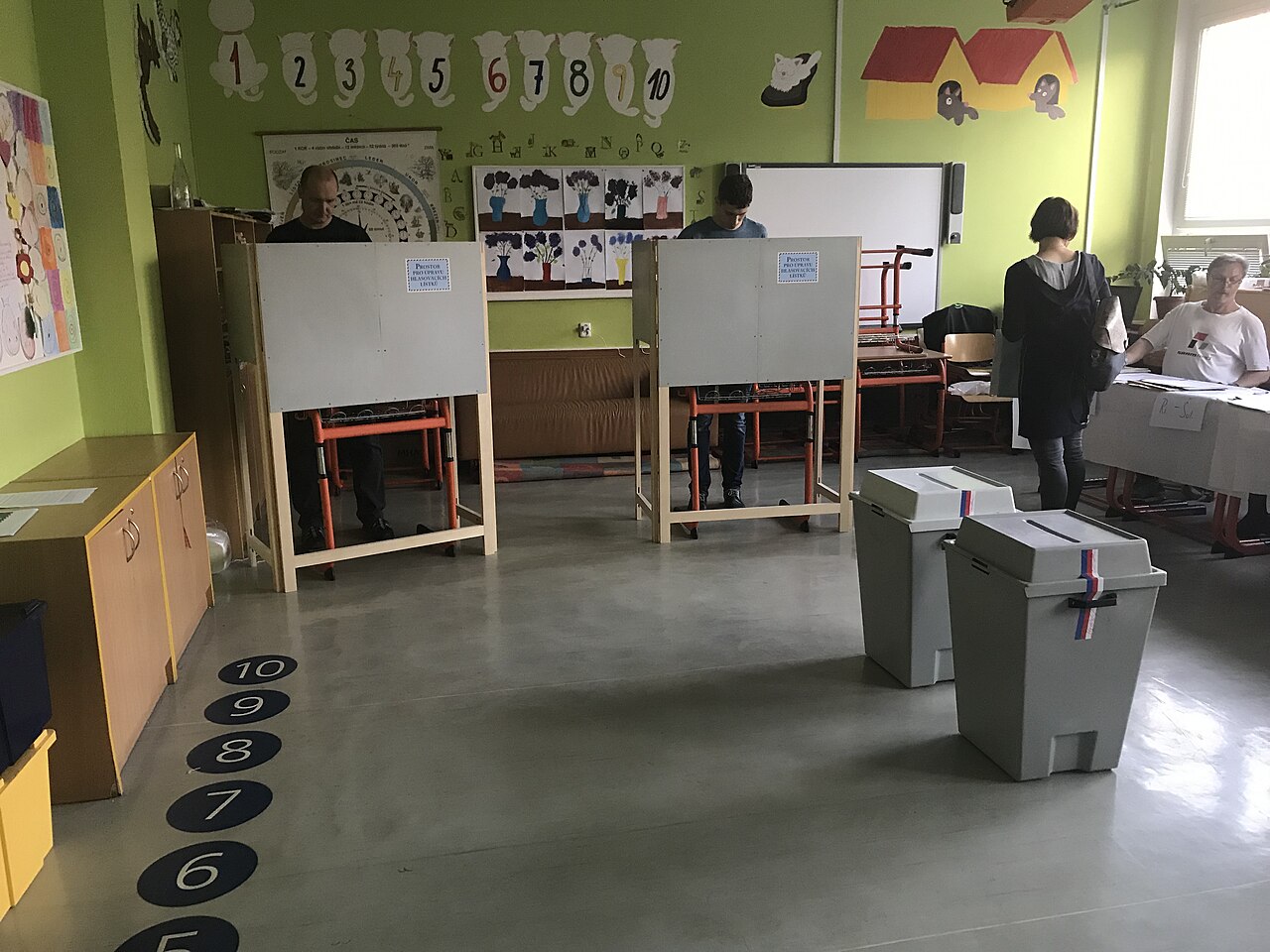
- Alameda County’s vote centers are open for the June 2, 2026 Direct Primary Election, with registration closing on May 18, 2026.
- Measure E proposes a new Oakland parcel tax for public safety and services, sparking debate over its legitimacy and necessity.
- The measure can pass with a simple majority due to its union-backed signature drive, bypassing the two-thirds threshold.
- Oakland’s political landscape is divided, with Measure E seen as a test of fiscal policy and governance.
- The district attorney race could be decided outright if a candidate wins over 50% of the vote, eliminating a November runoff.
Source: Read original article
Oakland’s June 2 primary election is more than just a routine civic exercise; it’s a battleground for the future of the city’s fiscal policy and governance. At the heart of the controversy is Measure E, a proposal for a new parcel tax aimed at funding public safety and city services. The measure has ignited fierce debate, with critics accusing the city and SEIU Local 1021 of orchestrating a ‘citizen-sponsored’ campaign to sidestep the usual two-thirds majority requirement.
The stakes are high, as the measure can pass with a simple majority due to its union-backed signature drive, a procedural maneuver that has intensified the political climate. Proponents argue that Measure E is essential for addressing Oakland’s budgetary strains, while opponents see it as an end-run around voter protections. This tension reflects a broader argument over whether City Hall has a revenue problem, a spending problem, or both.
Adding to the election’s significance is the Alameda County district attorney race, where a candidate could win outright if they secure more than 50% of the vote, potentially reshaping the county’s prosecutorial landscape. With voting already underway, the final days before the election are less about persuasion and more about turnout and ballot returns.
Alameda County’s official election site said 4-day vote centers are open for the June 2, 2026 Direct Primary Election, and the last day to register for this election was May 18, 2026. Measure E, the “2026 Public Safety & Cleanliness Act,” would impose a new Oakland parcel tax to fund public safety programs and city services, and critics have argued that the city and SEIU Local 1021 effectively engineered a “citizen-sponsored” campaign to avoid the tougher two-thirds threshold that would normally apply to a government tax measure.
Election Day is Tuesday, June 2, 2026, and if no county candidate clears 50%, the top two would move on to November; if someone does, the race ends this week. Measure E is being sold as a public-safety-and-services fix at a moment when Oakland politics remains consumed by budget strain, and even advocacy material framing the case for change points to the city’s roughly $2 billion annual budget.
Oakland Voices described the campaign as a choice among “three visions for reform and public safety,” and the stakes are unusually immediate because, as Oakland Rising noted in its voter guide, county races like district attorney can be decided outright on June 2 if one candidate wins more than 50% of the vote, eliminating any November runoff. In one closely watched criminal-justice shift, reporting this year found that Jones Dickson moved to withdraw at least four resentencing motions that had been filed under Price in death-penalty-related cases, signaling a more cautious line on resentencing than her predecessor.
That procedural twist is what makes the final days of this race unusually charged. That means late undecided voters are not just shaping who advances; they may be choosing the DA outright this week.
A lawsuit described in recent local coverage says the case concerns “a coordinated and deeply troubling effort” by the city to evade California’s rules on tax measures by outsourcing the qualification drive, a claim that goes to the heart of the campaign’s legitimacy. In practical terms, voters are being asked to decide in the same election whether to relieve some business taxes while also potentially creating a new parcel-tax stream for government services, a tension that has fueled the broader argument over whether City Hall has a revenue problem, a spending problem, or both.
Measure E is being sold as a public-safety-and-services fix at a moment when Oakland politics remains consumed by budget strain, and even advocacy material framing the case for change points to the city’s roughly $2 billion annual budget. Oakland Voices described the campaign as a choice among “three visions for reform and public safety,” and the stakes are unusually immediate because, as Oakland Rising noted in its voter guide, county races like district attorney can be decided outright on June 2 if one candidate wins more than 50% of the vote, eliminating any November runoff.
In one closely watched criminal-justice shift, reporting this year found that Jones Dickson moved to withdraw at least four resentencing motions that had been filed under Price in death-penalty-related cases, signaling a more cautious line on resentencing than her predecessor. Oakland’s June 2 primary election is more than just a routine civic exercise; it’s a battleground for the future of the city’s fiscal policy and governance.
The scale and speed of this development has caught many observers off guard. Each new update adds another dimension to a story that is still unfolding, and the full picture will only become clear as more verified details emerge from the people and institutions directly involved.
Analysts who have tracked this issue closely say the current moment represents a genuine turning point. The decisions made in the coming weeks are expected to set the direction for months ahead, with ripple effects likely to extend well beyond the immediate actors in the story.
For those directly affected, the practical impact is already visible. People navigating this fast-changing situation are dealing with real consequences while new information continues to reshape what is known and what remains open to interpretation.
Historical parallels offer some context, though experts caution against drawing too close a comparison. Similar situations have played out before, but the specific combination of pressures, personalities, and timing here makes this moment distinct in ways that matter for how it ultimately resolves.
The political and economic dimensions of this story are deeply intertwined. What appears as a single event on the surface is in practice the convergence of multiple pressures that have been building quietly over a longer period than most public reporting has captured.