

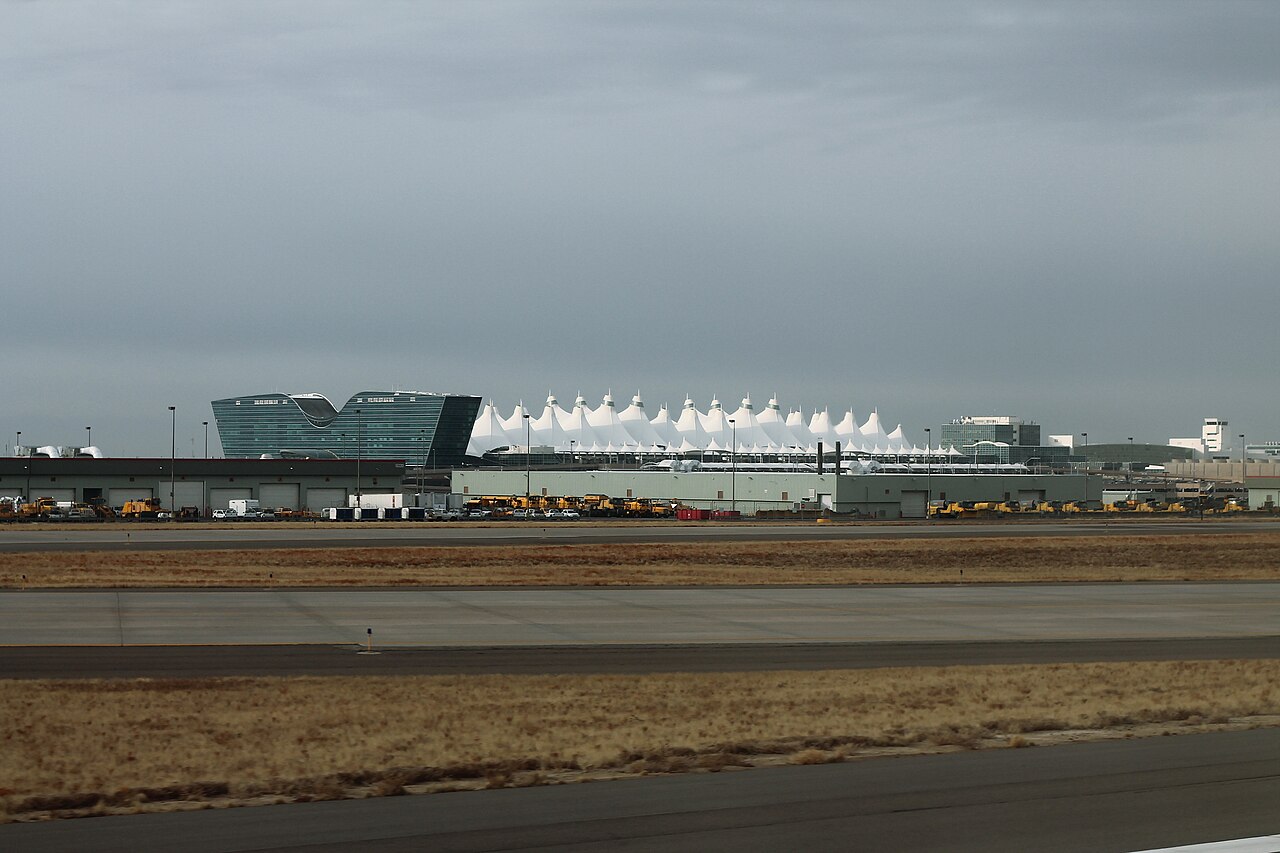

Quick Summary: Severe Weather Causes Major Flight Delays at Denver International Airport
- Severe thunderstorms and hail caused significant delays at Denver International Airport, affecting multiple airlines.
- On June 1, a ground delay was triggered due to intense weather, impacting 276 flights.
- United, Southwest, and SkyWest were the most affected airlines, with 96, 73, and 61 delays respectively.
- The disruption was weather-related, not due to airline operational failures.
- FAA-imposed ground delays have been frequent over the past 10 days due to recurring severe weather.
Source: Read original article
Denver International Airport found itself in the eye of a storm—literally. Severe thunderstorms and hail have wreaked havoc on flight schedules, causing significant delays and cancellations. The chaos that unfolded was not due to airline mismanagement but rather Mother Nature’s unpredictable wrath.
On June 1, the airport faced a ground delay as intense weather conditions pummeled the area. This led to 276 delayed flights, with United, Southwest, and SkyWest bearing the brunt of the impact. These delays were not isolated incidents but part of a pattern of weather-related disruptions over the past 10 days.
While headlines may suggest a broad international travel crisis, the reality is more localized. The FAA’s repeated ground stops highlight the ongoing weather challenges at one of the nation’s busiest hubs. Airlines like Lufthansa and Icelandair, though present, were not the primary focus of this turmoil.
As we look ahead, the key question remains: will the weather continue to disrupt operations at Denver International Airport? With summer schedules ramping up, airlines must brace for potential further disruptions. The focus is now on how quickly the airport can recover and manage its heavy international operations, including Lufthansa’s planned A380 return.
The broader airport context also matters: Denver airport traffic data published this year show Lufthansa and Icelandair both have a measurable presence at DEN, while Lufthansa is preparing to restore Airbus A380 service to Denver beginning June 9, 2026, a sign that international service growth is continuing despite the short-term weather disruptions. The sharpest new detail came on June 1, when Denver-area hail and thunderstorms triggered a ground delay at Denver International Airport, according to local reporting from The Denver Gazette and CBS Colorado.
The most specific operational figures I found this week were larger than the “4 cancellations and 191 delays” cited in the Travel And Tour World headline. Another Denver7 report from May 27 said FAA alerts showed flights were delayed by an average of 46 minutes Wednesday evening after thunderstorms prompted a ground delay.
KRDO reported an FAA ground stop on May 21 due to high winds just ahead of Memorial Day weekend. Denver7 then reported another weather-related ground delay on May 27, and local outlets documented more hail and thunderstorm disruption again on June 1.
The Denver Gazette reported that the airport was put on a ground delay Monday afternoon as the metro area was “pelted with an intense bout of hail,” while CBS Colorado also tied the airport slowdown directly to severe weather on June 1. That tally included 96 delays on United, 73 on Southwest and 61 on SkyWest, making those three carriers the most heavily hit in the latest verified wave of disruption.
The carriers named in the headline, including WestJet, Lufthansa, Icelandair and Alaska, do serve Denver or appear in codeshare and airport traffic data, but the freshest reporting with hard numbers centers overwhelmingly on United, Southwest and SkyWest. That sequence suggests a pattern of recurring weather stress at DIA over roughly 10 days, not a one-off incident.
Denver7 then reported another weather-related ground delay on May 27, and local outlets documented more hail and thunderstorm disruption again on June 1. On June 1, a ground delay was triggered due to intense weather, impacting 276 flights.
United, Southwest, and SkyWest were the most affected airlines, with 96, 73, and 61 delays respectively. FAA-imposed ground delays have been frequent over the past 10 days due to recurring severe weather.
That tally included 96 delays on United, 73 on Southwest and 61 on SkyWest, making those three carriers the most heavily hit in the latest verified wave of disruption. The carriers named in the headline, including WestJet, Lufthansa, Icelandair and Alaska, do serve Denver or appear in codeshare and airport traffic data, but the freshest reporting with hard numbers centers overwhelmingly on United, Southwest and SkyWest.
The scale and speed of this development has caught many observers off guard. Each new update adds another dimension to a story that is still unfolding, and the full picture will only become clear as more verified details emerge from the people and institutions directly involved.
Analysts who have tracked this issue closely say the current moment represents a genuine turning point. The decisions made in the coming weeks are expected to set the direction for months ahead, with ripple effects likely to extend well beyond the immediate actors in the story.
For those directly affected, the practical impact is already visible. People navigating this fast-changing situation are dealing with real consequences while new information continues to reshape what is known and what remains open to interpretation.
Historical parallels offer some context, though experts caution against drawing too close a comparison. Similar situations have played out before, but the specific combination of pressures, personalities, and timing here makes this moment distinct in ways that matter for how it ultimately resolves.
The political and economic dimensions of this story are deeply intertwined. What appears as a single event on the surface is in practice the convergence of multiple pressures that have been building quietly over a longer period than most public reporting has captured.