

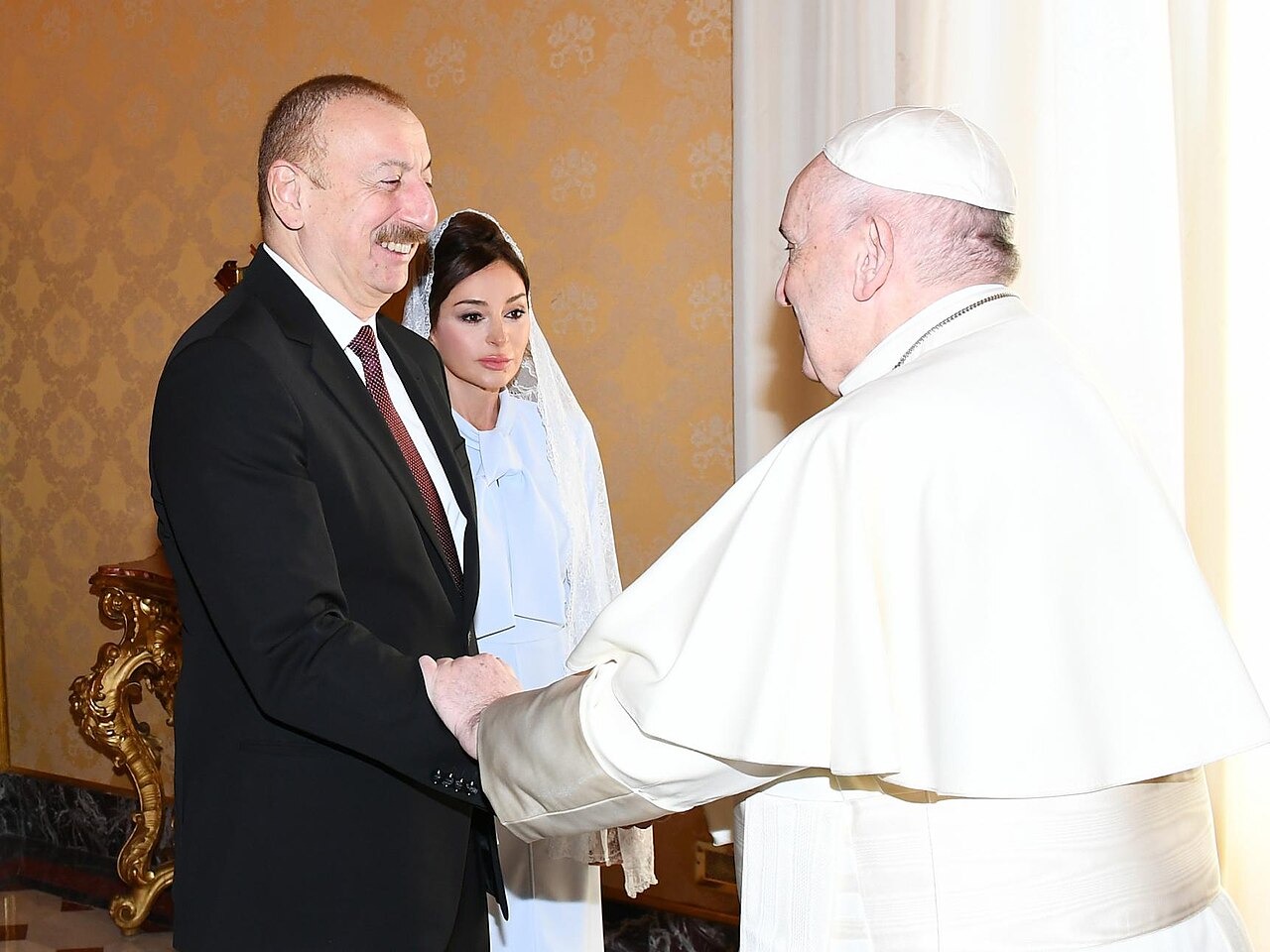

Quick Summary: Pope Leo XIV Plans Visit to Spain
- Pope Leo XIV plans a visit to Spain from June 6-12, 2026, with stops in Madrid, Barcelona, and the Canary Islands.
- The visit aims to reignite Spain’s missionary spirit amid rising secularization and cultural shifts.
- Spain remains a major contributor to global missionary efforts despite a decline in numbers.
- Pope Leo XIV’s message is grounded in personal experience as a former missionary and bishop.
- The visit will also address migration issues, linking mission with welcoming migrants.
Source: Read original article
Pope Leo XIV is set to embark on a pivotal journey to Spain, aiming to rekindle the country’s missionary zeal at a time when secularization is reshaping its cultural landscape. Scheduled for June 6-12, 2026, this visit is not just another papal tour; it is a clarion call for Spain to embrace a new phase of evangelization.
Spain, despite witnessing a drop in missionary numbers, continues to be a powerhouse in global missionary work, second only to the United States in financial support. This paradox underscores the urgency of Pope Leo’s message: Spain must not rest on its laurels but instead reignite its missionary fervor. His appeal is deeply personal, rooted in his own experiences as an Augustinian missionary and bishop.
The context of this visit is further enriched by its focus on migration. The Pope’s itinerary includes addressing the plight of migrants, particularly those arriving in the Canary Islands from Africa. By intertwining mission with migration, Pope Leo XIV is challenging Spain to see the influx of migrants not as a burden but as an opportunity for renewal and growth.
As Spain prepares to welcome Pope Leo XIV, the nation stands at a crossroads. Will it respond to his call for renewed missionary enthusiasm, or will it continue to drift towards a post-Christian identity? The answer may well define the future of Spanish Catholicism in an increasingly secular world.
On May 6, the Vatican released the full schedule for the Spain trip, confirming stops in Madrid, Barcelona, and the Canary Islands from June 6 to June 12, 2026. The freshest and most consequential turn in this story is that Pope Leo XIV’s appeal for Spain to “regain missionary enthusiasm” is no longer just rhetorical: it is now being framed as the central message of his June 6–12, 2026 trip to Spain, a high-stakes visit that will put secularization, migration, and the future identity of Spanish Catholicism on center stage.
Veteran Vatican journalist Juan Vicente Boo goes further, saying Leo knows Spain “more thoroughly than many Spaniards,” noting that after first arriving in July 1982 on a pilgrimage to Santiago de Compostela, he later visited more than 30 Spanish cities across roughly 50 trips, making Spain the country he has visited most after Italy. Another notable detail from recent Spanish reporting is that the government moved on May 26 to classify the visit as an “event of special public interest,” a designation that opens the door to tax deductions for sponsors, showing the visit has become not just an ecclesial event but a politically and financially significant national one.
According to Vatican News and OSV News, Leo is due to meet King Felipe VI and Queen Letizia, address authorities and the diplomatic corps, lead a Corpus Christi procession in Madrid, and visit migrants and prisoners as well as Catholic communities. Pope Leo XIV is the principal actor, but the latest coverage leans heavily on Father Jesús Calderón, Father Alejandro Moral Antón, historian Luis Antequera, journalist Juan Vicente Boo, the Holy See Press Office, the Spanish government, and Spain’s royal household.
The Spanish state, for its part, has elevated the visit’s profile through the “special public interest” designation, while the monarchy will welcome Leo at the Royal Palace on June 6. Beginning Friday, June 6, Leo arrives in Madrid, where his public appearances will test whether this missionary appeal can resonate beyond church insiders.
The Dialog’s report, published yesterday, says the core revelation is how personally grounded Leo’s message is. Father Jesús Calderón says the pope speaks from “a lived experience,” not abstract theory, after years as an Augustinian missionary and bishop in Peru and as prior general of the Augustinians.
On May 6, the Vatican released the full schedule for the Spain trip, confirming stops in Madrid, Barcelona, and the Canary Islands from June 6 to June 12, 2026. Quick Summary: Pope Leo XIV Plans Visit to Spain Pope Leo XIV plans a visit to Spain from June 6-12, 2026, with stops in Madrid, Barcelona, and the Canary Islands.
Scheduled for June 6-12, 2026, this visit is not just another papal tour; it is a clarion call for Spain to embrace a new phase of evangelization. Veteran Vatican journalist Juan Vicente Boo goes further, saying Leo knows Spain “more thoroughly than many Spaniards,” noting that after first arriving in July 1982 on a pilgrimage to Santiago de Compostela, he later visited more than 30 Spanish cities across roughly 50 trips, making Spain the country he has visited most after Italy.
The visit aims to reignite Spain’s missionary spirit amid rising secularization and cultural shifts. Pope Leo XIV’s message is grounded in personal experience as a former missionary and bishop.
The scale and speed of this development has caught many observers off guard. Each new update adds another dimension to a story that is still unfolding, and the full picture will only become clear as more verified details emerge from the people and institutions directly involved.
Analysts who have tracked this issue closely say the current moment represents a genuine turning point. The decisions made in the coming weeks are expected to set the direction for months ahead, with ripple effects likely to extend well beyond the immediate actors in the story.
For those directly affected, the practical impact is already visible. People navigating this fast-changing situation are dealing with real consequences while new information continues to reshape what is known and what remains open to interpretation.
Historical parallels offer some context, though experts caution against drawing too close a comparison. Similar situations have played out before, but the specific combination of pressures, personalities, and timing here makes this moment distinct in ways that matter for how it ultimately resolves.
The political and economic dimensions of this story are deeply intertwined. What appears as a single event on the surface is in practice the convergence of multiple pressures that have been building quietly over a longer period than most public reporting has captured.