


Quick Summary: Bond Warns UK Protest Restrictions Threaten Civil Society’s Future
- Bond published a critical report on February 18, 2026, highlighting new protest restrictions and a slow start to the Civil Society Covenant.
- The European Fundraising Association described UK civil society as resilient but under strain due to funding cuts and compliance demands.
- Bond’s report warns that the UK government’s restrictive legislation is narrowing civic space, challenging protest rights.
- Third Sector reported that the decline in UK civic space is becoming structural, urging ministers to lift restrictions on charity campaigning.
- Bond’s Bibusa Musukwa highlighted worrying changes in the legal and regulatory environment over the past three years.
Source: Read original article
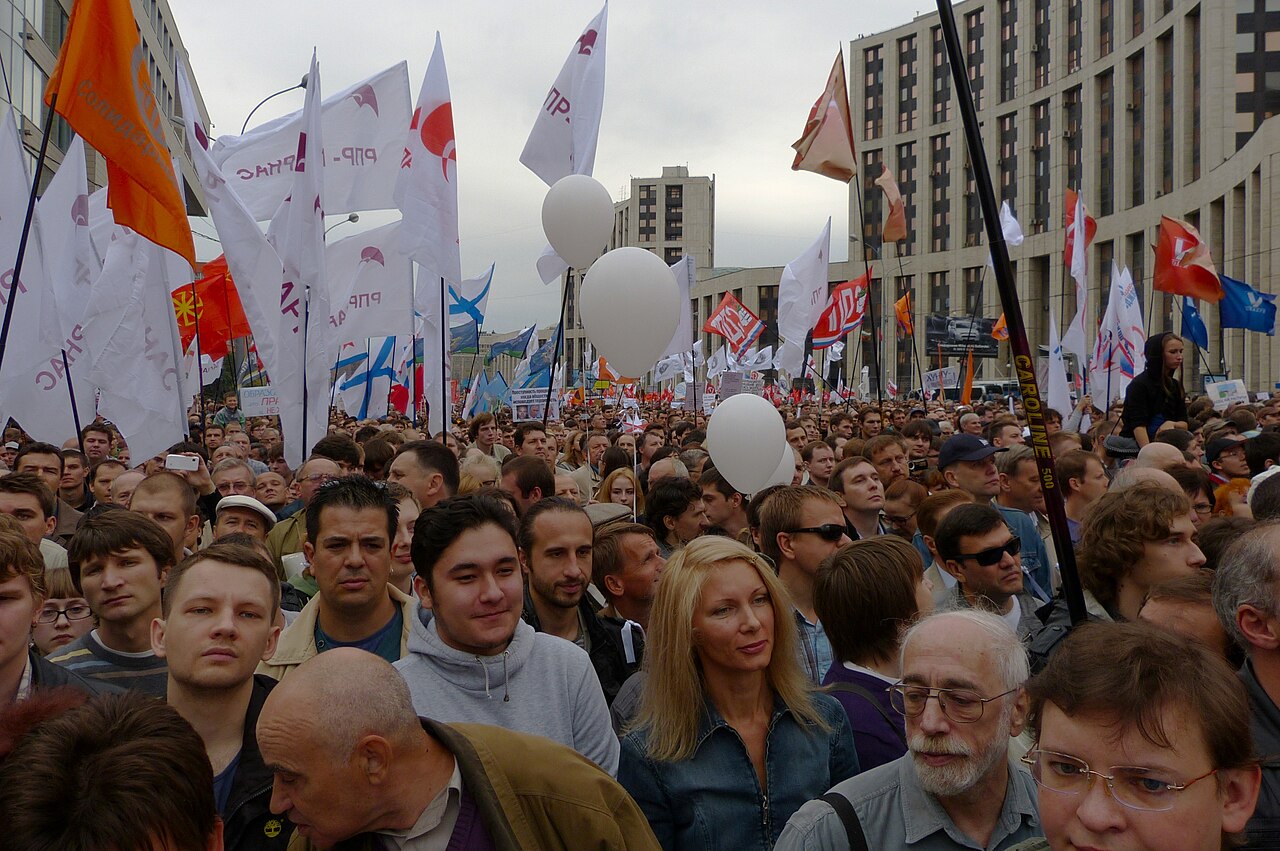
The UK government’s tightening grip on civic space is not just a bureaucratic maneuver—it’s a direct assault on the very fabric of civil society. Bond’s latest report, released on February 18, 2026, paints a grim picture of a sector under siege. With new protest restrictions and a sluggish start to the Civil Society Covenant, the report signals a troubling trend: the space for advocacy and dissent is shrinking.
At the heart of this issue is a government that promises partnership while simultaneously enacting laws that stifle protest and campaigning. Bond’s analysis reveals a stark reality—over the past ten months, restrictive legislation has continued to advance, leaving civil society groups in a precarious position. The European Fundraising Association corroborates this, describing the sector as resilient yet strained by funding cuts and increased compliance demands.
Bond’s Bibusa Musukwa has tracked these worrying changes, noting that the government’s stance on protest rights has only become clearer as restrictive legislation progresses. The central conflict is whether the government’s promises to work with civil society are genuine or merely a facade to tighten control.
As the debate intensifies, the future of civil society in the UK hangs in the balance. Advocacy groups argue that the government’s actions are tipping the scales in the wrong direction, threatening democratic resilience. The call for ministers to lift restrictions on charity campaigning is not just a plea for policy change—it’s a fight for the survival of civil society itself.
The most specific recent timeline point is February 18, 2026, when Bond published the third and final report in its annual series on UK civic space, just one day after, according to Third Sector, it had separately pressed the government to remove barriers on charity campaigning. It reframes the debate from charitable administration to democratic resilience, especially when read alongside the earlier ministerial promise, reported in July 2025, to protect charities’ right to peaceful protest in the Civil Society Covenant.
The European Fundraising Association reported on February 25, 2026 that UK civil society is “resilient, resourceful, but under strain,” with tighter funding, heavier compliance demands and rising need colliding at once. Bond’s reporting suggests the immediate next phase will be a test of implementation rather than announcement: whether the covenant signed in July 2025 becomes meaningful policy or remains symbolic while legislation and enforcement continue to narrow civic space.
” Third Sector’s coverage the same day amplified the warning that the decline in UK civic space is becoming structural, not rhetorical, and reported Bond urging ministers to lift restrictions on charity campaigning. The freshest substantive reporting tied to this Exmouth Journal opinion theme is not a new revelation from Exmouth itself but a sharp escalation in the UK-wide fight over civic space: Bond’s February 18, 2026 report says new protest restrictions and what it calls a “slow start” to the Civil Society Covenant are now actively squeezing the operating environment for charities and campaign groups.
Bond’s Bibusa Musukwa said the organisation has tracked “worrying changes” across the legal, political and regulatory environment over three years, while the report argues the government’s stance on protest rights has become clearer as restrictive legislation has advanced. The most newsworthy takeaway right now is that the future of civil society, the very phrase in the Exmouth Journal headline, has become a live policy fight in 2026, with advocacy groups arguing that the balance is already tipping the wrong way.
The central conflict is whether the government’s promise to work with civil society is being undercut by laws and regulatory pressure that make campaigning, protest and dissent harder in practice. That sequence matters because it shows a coordinated push: first a public demand for change, then a formal evidence-based warning that the space for advocacy is narrowing.
The UK government’s tightening grip on civic space is not just a bureaucratic maneuver—it’s a direct assault on the very fabric of civil society. Bond’s Bibusa Musukwa has tracked these worrying changes, noting that the government’s stance on protest rights has only become clearer as restrictive legislation progresses.
The scale and speed of this development has caught many observers off guard. Each new update adds another dimension to a story that is still unfolding, and the full picture will only become clear as more verified details emerge from the people and institutions directly involved.
Analysts who have tracked this issue closely say the current moment represents a genuine turning point. The decisions made in the coming weeks are expected to set the direction for months ahead, with ripple effects likely to extend well beyond the immediate actors in the story.
For those directly affected, the practical impact is already visible. People navigating this fast-changing situation are dealing with real consequences while new information continues to reshape what is known and what remains open to interpretation.
Historical parallels offer some context, though experts caution against drawing too close a comparison. Similar situations have played out before, but the specific combination of pressures, personalities, and timing here makes this moment distinct in ways that matter for how it ultimately resolves.
The political and economic dimensions of this story are deeply intertwined. What appears as a single event on the surface is in practice the convergence of multiple pressures that have been building quietly over a longer period than most public reporting has captured.