

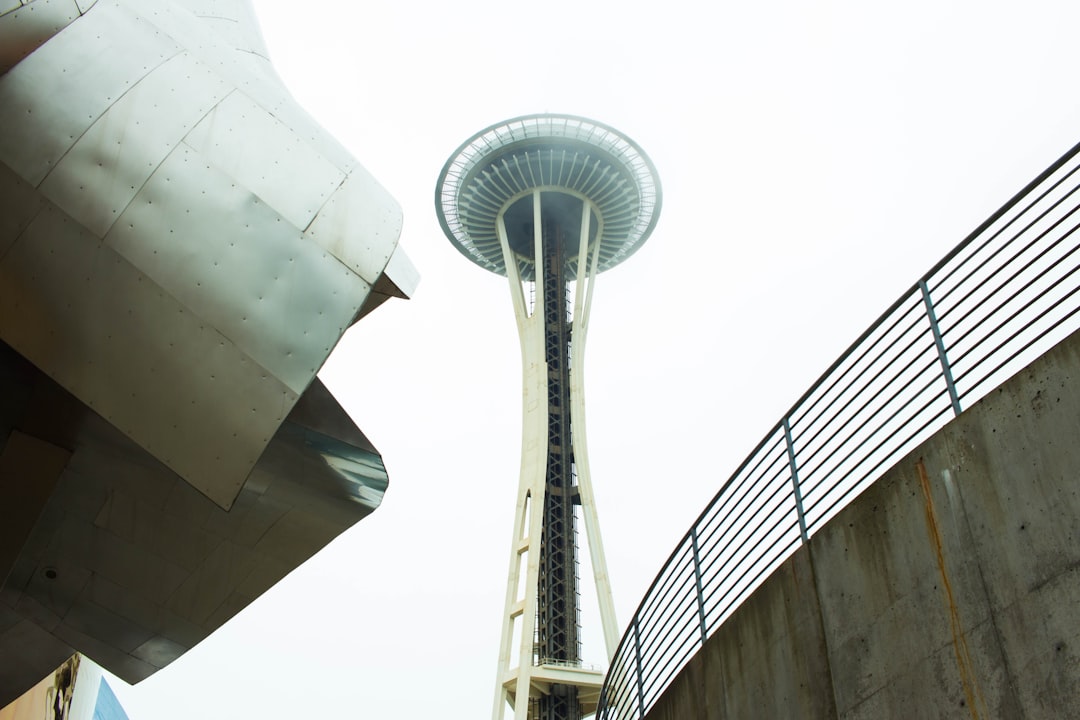

Quick Summary: Seattle Hotels Face Booking Decline Amid FIFA Travel Demand Shortfall
- Seattle bookings are down nearly 21% compared to last year, highlighting a mismatch between operational strain and expected tourism gains.
- Nearly 80% of hoteliers in Boston, Philadelphia, San Francisco, and Seattle report bookings below expectations, indicating a weak tourist influx.
- Visa barriers and geopolitical concerns are suppressing international demand, according to 65% to 70% of surveyed market respondents.
- FIFA’s room-block releases created false demand signals that later vanished, undermining long-haul travel assumptions.
- FAA restrictions around stadiums like Seattle’s Lumen Field are in place, affecting local aviation and tourism businesses.
Source: Open external resource
Source: Read original article
Seattle and other major cities are grappling with a surprising World Cup conundrum: the anticipated influx of tourists has yet to materialize, leaving airports, hotels, and airlines in a bind. Despite the grand expectations, Seattle’s flight bookings are trailing by 21% compared to last year, a sharp contrast to the operational challenges the city faces.
In cities like Boston, Philadelphia, and San Francisco, hoteliers are witnessing a similar trend, with nearly 80% reporting lower-than-expected bookings. The reasons? Visa barriers and geopolitical tensions are keeping international travelers at bay, while FIFA’s early room-block releases provided a misleading sense of demand.
Seattle is particularly affected, with FAA-imposed flight restrictions around Lumen Field adding to the logistical headaches. These restrictions are part of a broader security measure impacting local businesses reliant on tourism and aviation. The anticipated tourist windfall has not matched the disruptions, leaving cities to question the economic benefits of hosting such a mega-event.
As the World Cup progresses, the hope is that late bookings will surge, justifying the extensive preparations. However, with current data showing minimal increases in bookings, the reality is that cities are facing more disruption than economic gain. The focus now shifts to whether these gateways can adapt and make the most of the situation as the tournament unfolds.
” The agency also said violators can face fines of up to $100,000, confiscation and possible federal criminal charges. One recent market analysis, citing Sojern flight-booking data, said Seattle bookings were running nearly 21% below last year even as some other host cities were gaining traffic, a sharp mismatch between operational strain and commercial upside.
An AHLA-backed report highlighted on May 5 said that in Boston, Philadelphia, San Francisco and Seattle, “nearly 80%” of surveyed hoteliers reported booking pace below expectations and behind a typical summer. The same report said 65% to 70% of respondents across markets blamed visa barriers and broader geopolitical concerns for suppressing international demand, and nearly half said FIFA room-block releases had created a false early signal that later evaporated.
Canadian Press reporting published June 15 said military authorities shut down airspace over Vancouver’s inner city, including BC Place Stadium, for the city’s remaining six World Cup matches. That undercut the long-standing assumption that the 2026 tournament would naturally pull in big-spending long-haul travelers.
2 million visitors to the city had been revised in practice to something closer to 500,000. 5% from a year earlier, and hotels in some markets have already been cutting rates.
Jared Williams, president of Seair Seaplanes, said operators got notice only that Monday and had already started rebooking customers. The FAA announced on May 28 that match-day restrictions will prohibit operations near several stadiums, including Seattle’s Lumen Field, Foxborough’s Gillette Stadium for Boston-area matches, and Philadelphia’s Lincoln Financial Field.
One recent market analysis, citing Sojern flight-booking data, said Seattle bookings were running nearly 21% below last year even as some other host cities were gaining traffic, a sharp mismatch between operational strain and commercial upside. Visa barriers and geopolitical concerns are suppressing international demand, according to 65% to 70% of surveyed market respondents.
Nearly 80% of hoteliers in Boston, Philadelphia, San Francisco, and Seattle report bookings below expectations, indicating a weak tourist influx. Despite the grand expectations, Seattle’s flight bookings are trailing by 21% compared to last year, a sharp contrast to the operational challenges the city faces.
In cities like Boston, Philadelphia, and San Francisco, hoteliers are witnessing a similar trend, with nearly 80% reporting lower-than-expected bookings. That undercut the long-standing assumption that the 2026 tournament would naturally pull in big-spending long-haul travelers.
5% from a year earlier, and hotels in some markets have already been cutting rates. Quick Summary: Seattle Joins Vancouver, Toronto, Boston, and Philadelphia in Navigating Dramatic World Cup Flight Re-Routing as Changing Tourist Flows Leave Specific Long-Haul Gateways Strained – Travel And Tour World Seattle bookings are down nearly 21% compared to last year, highlighting a mismatch between operational strain and expected tourism gains.
The scale and speed of this development has caught many observers off guard. Each new update adds another dimension to a story that is still unfolding, and the full picture will only become clear as more verified details emerge from the people and institutions directly involved.
Analysts who have tracked this issue closely say the current moment represents a genuine turning point. The decisions made in the coming weeks are expected to set the direction for months ahead, with ripple effects likely to extend well beyond the immediate actors in the story.
For those directly affected, the practical impact is already visible. People navigating this fast-changing situation are dealing with real consequences while new information continues to reshape what is known and what remains open to interpretation.
Historical parallels offer some context, though experts caution against drawing too close a comparison. Similar situations have played out before, but the specific combination of pressures, personalities, and timing here makes this moment distinct in ways that matter for how it ultimately resolves.
The political and economic dimensions of this story are deeply intertwined. What appears as a single event on the surface is in practice the convergence of multiple pressures that have been building quietly over a longer period than most public reporting has captured.