


Quick Summary: Vance Meets Iranian Officials to Resolve Nuclear Program Dispute
- Vice President Vance’s arrival in Switzerland transformed a tentative U.S.-Iran pact into a live 60-day negotiation.
- The interim framework opens a 60-day window to finalize the deal’s critical components, including the reopening of the Strait of Hormuz.
- The negotiations aim to end the Iran war, address Iran’s nuclear program, and alter U.S.-Iran relations.
- Initial talks were delayed due to tensions in Lebanon, but now both sides are directly negotiating technical terms.
- The U.S. has already lifted the blockade, allowing ships through to Iranian ports, even as talks continue.
Source: Open external resource
Source: Read original article
Vice President JD Vance’s recent visit to Switzerland has reignited the U.S.-Iran negotiations, turning what was a faltering agreement into a 60-day sprint to finalize a deal. This pact is not just about reopening the Strait of Hormuz or addressing Iran’s nuclear ambitions; it’s about reshaping the broader U.S.-Iran relationship.
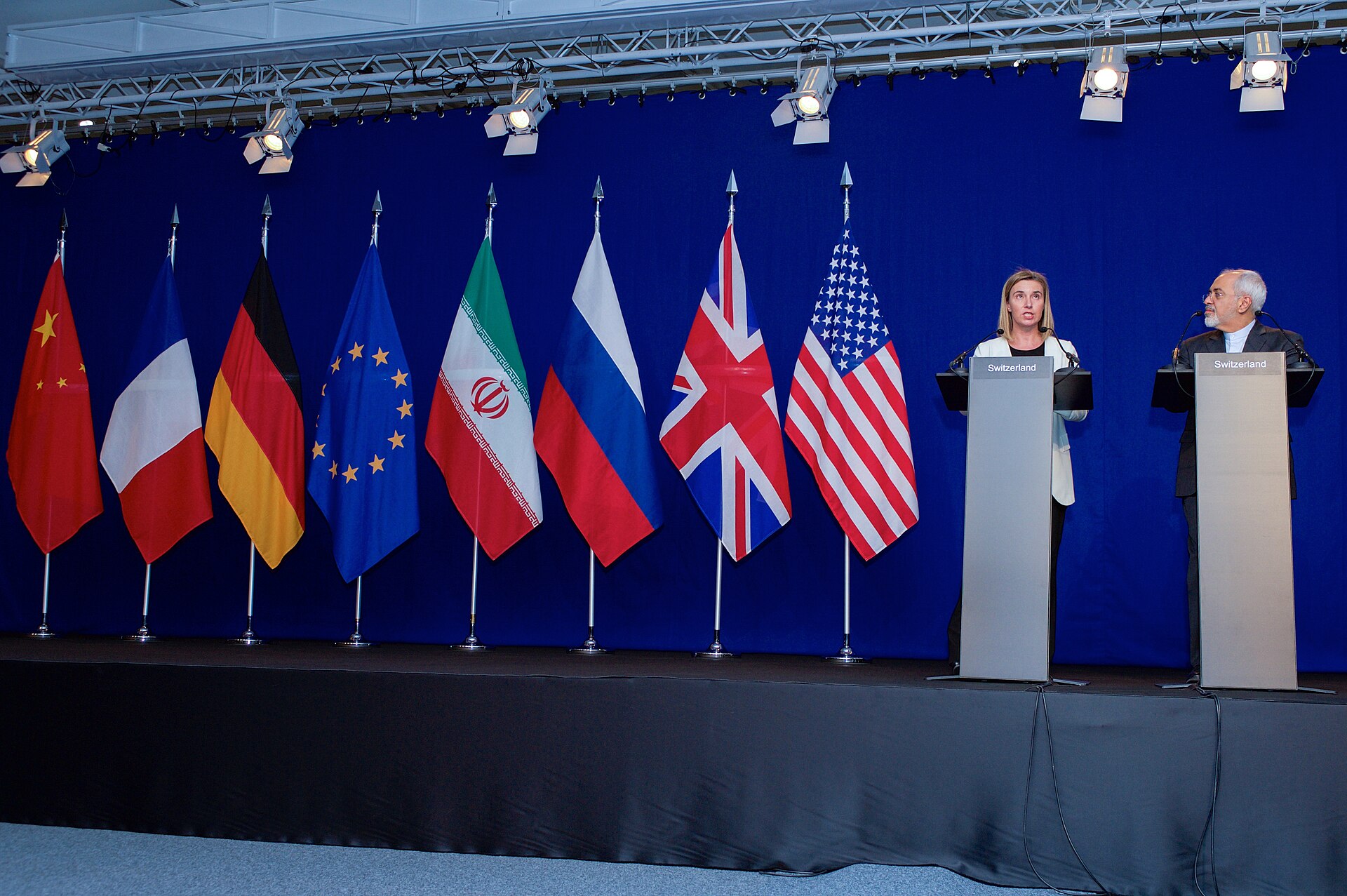
The talks, held at the Bürgenstock resort, mark the first substantive meeting aimed at ending the Iran war. The interim framework provides a 60-day window to iron out the deal’s most challenging aspects. The stakes are high, as President Trump has threatened new actions tied to the Strait if a final agreement isn’t reached.
Initially, the talks faced setbacks when Vance’s trip was postponed due to regional tensions, notably in Lebanon. However, the negotiations are now back on track, with both sides directly engaging over the technicalities of the interim deal. This includes discussions on nuclear verification and maritime guarantees.
Interestingly, parts of the agreement are already in motion, with the U.S. lifting a blockade to allow over a dozen ships to access Iranian ports. This early implementation raises questions about whether leverage was given away too soon. The next 60 days will be crucial as negotiators work to solidify the terms and ensure the agreement’s survival.
AP says President Donald Trump has threatened to impose American tolls in the Strait of Hormuz if a final deal is not reached within 60 days, turning the shipping lane into both leverage and risk. The sharpest news from the latest reporting is that the talks are no longer just ceremonial: AP and Axios both report that Vance met Iranian negotiators at the Bürgenstock resort in Switzerland on Sunday, June 21, 2026, for the first direct round focused on the deal’s details after several days of delays and uncertainty.
On June 15, Vance said the agreement had been digitally signed and suggested the text would soon be released; on June 19, his Switzerland trip was postponed and the talks stumbled amid tensions tied to Lebanon; on June 20, Iranian negotiators departed for Switzerland; and on June 21, Vance and Iranian officials finally sat down at Bürgenstock. Axios likewise reported that Vance had postponed his trip at the last minute on Thursday night.
Earlier reporting cited by Reuters said the agreement was designed to halt the war and reopen the strait, while Vance publicly insisted that “no funds” would be transferred to Iran merely for signing the deal. ABC reported earlier this week that Vance said any forward motion would depend on Iranian officials “doing the right thing,” including allowing “some form of verification” that Iran is not pursuing a nuclear weapon.
Reuters also reported six days ago that the framework deal had already eased market fears by promising to reopen the Strait of Hormuz, even though talks on Tehran’s nuclear program were deferred. AP says the interim framework opens a “60-day” window to finish the hard parts, while Axios reports that a diplomat familiar with the meeting described this as the first substantive session on ending the war.
That combination — a 60-day clock, no upfront cash, and the need to keep one of the world’s most critical oil chokepoints open — is the real engine of the negotiations. -Iran pact into a live 60-day negotiation, with the most consequential new development being that both sides are now directly haggling over the technical terms of a fragile interim deal meant to end the Iran war, reopen the Strait of Hormuz, and constrain Tehran’s nuclear program.
-Iran negotiations, turning what was a faltering agreement into a 60-day sprint to finalize a deal. The interim framework provides a 60-day window to iron out the deal’s most challenging aspects.
The stakes are high, as President Trump has threatened new actions tied to the Strait if a final agreement isn’t reached. AP says the interim framework opens a “60-day” window to finish the hard parts, while Axios reports that a diplomat familiar with the meeting described this as the first substantive session on ending the war.
-Iran pact into a live 60-day negotiation, with the most consequential new development being that both sides are now directly haggling over the technical terms of a fragile interim deal meant to end the Iran war, reopen the Strait of Hormuz, and constrain Tehran’s nuclear program. Initial talks were delayed due to tensions in Lebanon, but now both sides are directly negotiating technical terms.
The scale and speed of this development has caught many observers off guard. Each new update adds another dimension to a story that is still unfolding, and the full picture will only become clear as more verified details emerge from the people and institutions directly involved.
Analysts who have tracked this issue closely say the current moment represents a genuine turning point. The decisions made in the coming weeks are expected to set the direction for months ahead, with ripple effects likely to extend well beyond the immediate actors in the story.
For those directly affected, the practical impact is already visible. People navigating this fast-changing situation are dealing with real consequences while new information continues to reshape what is known and what remains open to interpretation.
Historical parallels offer some context, though experts caution against drawing too close a comparison. Similar situations have played out before, but the specific combination of pressures, personalities, and timing here makes this moment distinct in ways that matter for how it ultimately resolves.
The political and economic dimensions of this story are deeply intertwined. What appears as a single event on the surface is in practice the convergence of multiple pressures that have been building quietly over a longer period than most public reporting has captured.