


Quick Summary: European Parliament in Crisis Over Racism Claims Against Meps
- Finnish MEP Sebastian Tynkkynen is accused of racist conduct toward Swedish MEP Abir Al-Sahlani after a migration vote.
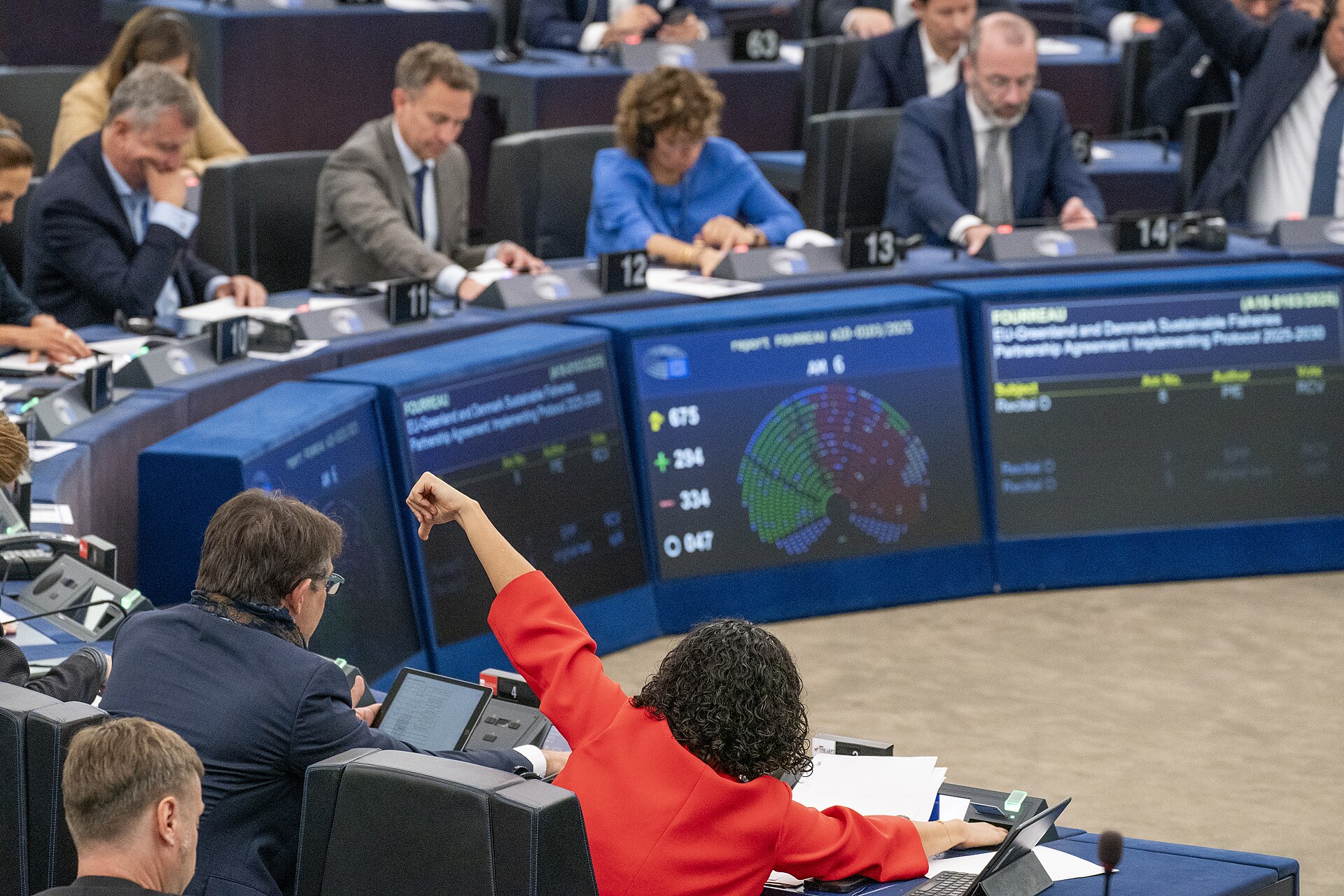
- The European Parliament approved the Returns Regulation with a 418-218 vote, sparking right-wing chants of “send them back.”.
- MEP Kristoffer Storm made incendiary remarks, suggesting Al-Sahlani, born in Iraq, should “go home.”.
- Renew Europe leader Valérie Hayer warned against a “sense of impunity” if the racist acts go unpunished.
- Parliament President Roberta Metsola faces pressure to decide on sanctions, which could set a precedent for handling racism.
Source: Open external resource
Source: Read original article
The European Parliament is in turmoil over accusations of racism following a contentious migration vote. Finnish MEP Sebastian Tynkkynen’s conduct towards Swedish MEP Abir Al-Sahlani has ignited a storm, with allegations of racism after right-wing chants erupted in the chamber.
The controversy centers on the European Parliament’s approval of the Returns Regulation, which passed with a 418-218 vote. This decision was met with cheers from right-wing lawmakers, who chanted “send them back,” leading to a heated and divisive atmosphere. Tynkkynen further escalated tensions by posting a disparaging comment about Al-Sahlani on social media.
The issue is not just about individual misconduct but reflects a broader concern about the normalization of exclusionary rhetoric in the Parliament. Renew Europe leader Valérie Hayer has called for action, warning against a “sense of impunity” if these acts are ignored. The situation places significant pressure on Parliament President Roberta Metsola to decide on potential sanctions.
As the scandal unfolds, the European Parliament faces a critical test of its commitment to maintaining standards of conduct and addressing racism. The outcome of this situation could set an important precedent for how the institution handles similar issues in the future.
The row erupted after the European Parliament approved the new Returns Regulation on June 17, 2026, by 418 votes to 218, a result that triggered cheers from right-wing lawmakers and chants of “send them back” in the chamber. Greens/EFA shadow rapporteur Mélissa Camara said the law would create “potentially deadly deportation camps offshore,” “lifetime entry bans” and “mass detention, including children,” and vowed that it would be challenged in national courts and the European Court of Justice.
Under Parliament rules, possible sanctions can range from a reprimand to limits on parliamentary work for up to 60 working days, suspension of allowances, or a temporary ban on representing Parliament. No timetable has been announced, but Parliament spokesperson Delphine Collard has confirmed that complaints from lawmakers are being taken seriously and that the matter will be examined.
” Renew Europe leader Valérie Hayer then wrote to Metsola on Friday, June 19, alleging that Storm and Tynkkynen had committed acts “of a racist nature” and warning against what she called a “sense of impunity” if the episode went unanswered. ” Socialist vice-president Javi López called the scene “disgraceful,” while Renew MEP Laurence Farreng said “the far right is screaming its hatred,” framing the dispute as a fight over whether migrants are treated as people or political trophies.
According to reporting over the past few days, Al-Sahlani said afterward that she had “never felt as unsafe” in the European Parliament, turning what might have been a brutal policy fight into a live institutional crisis about racism, intimidation and parliamentary standards. Metsola must hear from the parties involved and decide whether the conduct breached Parliament’s code of conduct, while the political fallout from the 418-218 vote is still widening.
If she imposes sanctions on Tynkkynen or Storm, it will set an immediate precedent for how the chamber handles racist or exclusionary speech between MEPs; if she does not, critics are already signaling that the Parliament risks validating exactly the “sense of impunity” Hayer warned about. The biggest new turn in the European Parliament racism storm is that Parliament president Roberta Metsola is now under direct pressure to decide whether to punish Finnish MEP Sebastian Tynkkynen after a formal complaint accused him of racist conduct toward Swedish MEP Abir Al-Sahlani in the aftermath of last week’s explosive migration vote.
Greens/EFA shadow rapporteur Mélissa Camara said the law would create “potentially deadly deportation camps offshore,” “lifetime entry bans” and “mass detention, including children,” and vowed that it would be challenged in national courts and the European Court of Justice. Under Parliament rules, possible sanctions can range from a reprimand to limits on parliamentary work for up to 60 working days, suspension of allowances, or a temporary ban on representing Parliament.
No timetable has been announced, but Parliament spokesperson Delphine Collard has confirmed that complaints from lawmakers are being taken seriously and that the matter will be examined. ” Renew Europe leader Valérie Hayer then wrote to Metsola on Friday, June 19, alleging that Storm and Tynkkynen had committed acts “of a racist nature” and warning against what she called a “sense of impunity” if the episode went unanswered.
” Socialist vice-president Javi López called the scene “disgraceful,” while Renew MEP Laurence Farreng said “the far right is screaming its hatred,” framing the dispute as a fight over whether migrants are treated as people or political trophies. Renew Europe leader Valérie Hayer warned against a “sense of impunity” if the racist acts go unpunished.
This decision was met with cheers from right-wing lawmakers, who chanted “send them back,” leading to a heated and divisive atmosphere. Renew Europe leader Valérie Hayer has called for action, warning against a “sense of impunity” if these acts are ignored.
The scale and speed of this development has caught many observers off guard. Each new update adds another dimension to a story that is still unfolding, and the full picture will only become clear as more verified details emerge from the people and institutions directly involved.
Analysts who have tracked this issue closely say the current moment represents a genuine turning point. The decisions made in the coming weeks are expected to set the direction for months ahead, with ripple effects likely to extend well beyond the immediate actors in the story.
For those directly affected, the practical impact is already visible. People navigating this fast-changing situation are dealing with real consequences while new information continues to reshape what is known and what remains open to interpretation.
Historical parallels offer some context, though experts caution against drawing too close a comparison. Similar situations have played out before, but the specific combination of pressures, personalities, and timing here makes this moment distinct in ways that matter for how it ultimately resolves.
The political and economic dimensions of this story are deeply intertwined. What appears as a single event on the surface is in practice the convergence of multiple pressures that have been building quietly over a longer period than most public reporting has captured.