

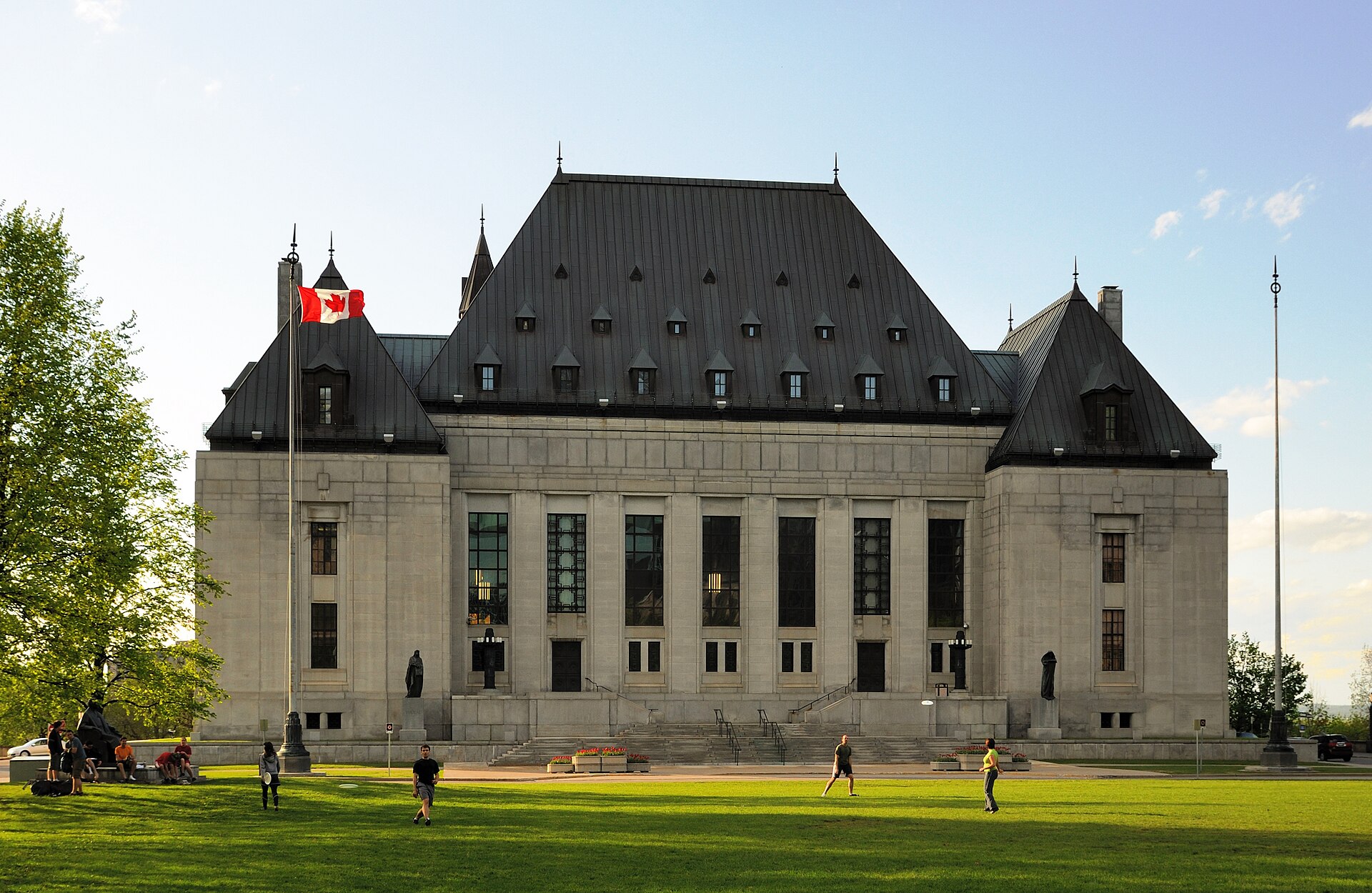

Quick Summary: Justice Barrett Leads Supreme Court in Limiting Alien Tort Statute
- The Supreme Court ruled 6-3 to dismiss a lawsuit against Cisco, ending a 15-year legal battle over alleged surveillance aiding China against Falun Gong.
- Justice Barrett stated the court would not create new rights under the Alien Tort Statute, closing the door on these human-rights claims in U.S. courts.
- Allegations included Cisco’s involvement in China’s ‘Golden Shield,’ viewing Falun Gong content as a threat, but the court found these claims could not proceed in U.S. courts.
- Justice Sotomayor dissented, criticizing the decision for denying victims of international abuses access to U.S. legal recourse.
- The ruling narrows the scope of the Alien Tort Statute, impacting future suits against U.S. corporations for foreign abuses.
Source: Open external resource
Source: Read original article
The Supreme Court’s recent decision to side with Cisco in a controversial case over Chinese surveillance marks a significant moment in U.S. legal history. In a 6-3 ruling, the Court effectively shut down a long-standing lawsuit accusing the tech giant of aiding China in building surveillance tools used against Falun Gong practitioners.
Justice Amy Coney Barrett, writing for the conservative majority, emphasized that the court would not extend the Alien Tort Statute to create new rights for international law violations. This decision not only ends the current case but also narrows the statute’s application, limiting the ability of foreign nationals to seek justice in U.S. courts for abuses committed abroad.
The case, which began in 2011, centered on allegations that Cisco facilitated China’s ‘Golden Shield’ project, a censorship and surveillance system. Plaintiffs argued that Cisco’s technology enabled the Chinese government to track and torture Falun Gong members. Justice Sonia Sotomayor, in her dissent, highlighted the moral implications, stating the decision ‘slams the door in the faces of victims of horrific mistreatment.’
This ruling is part of a broader trend where the Supreme Court has been retreating from using the Alien Tort Statute for international human rights litigation. The impact of this decision extends beyond this single case, potentially affecting future legal actions against U.S. corporations accused of complicity in foreign human rights abuses.
The Supreme Court’s stance reflects a significant shift in how U.S. courts handle international human rights claims, leaving many to question the future of corporate accountability on the global stage. While the decision marks a legal win for Cisco, it raises pressing ethical questions about the role of American companies in international human rights issues.
On a related issue under the Torture Victim Protection Act of 1991, the court ruled 8-1 against allowing claims to proceed against two Cisco executives; Reuters reported that Sotomayor was the lone dissenter there, while Justices Elena Kagan and Ketanji Brown Jackson agreed with the majority on that narrower point. What makes the ruling especially consequential is not just that Cisco won, but that the court used the case to further narrow the Alien Tort Statute, the 1789 law long used in modern human-rights litigation.
The case had been argued in April 2026, when Sotomayor openly challenged Cisco’s position from the bench, but this week’s ruling ended the matter unless Congress intervenes. The most striking factual detail revived in the latest reporting comes from an Associated Press investigation cited in coverage of the ruling: a Cisco presentation from 2008 said its products could identify “over 90%” of Falun Gong material on the web.
AP also reported that leaked documents showed Cisco viewed China’s “Golden Shield” censorship architecture as a sales opportunity and represented Falun Gong content as a “threat,” allegations that gave the case its moral force even though the justices ruled those claims could not proceed in an American courtroom. On the core Alien Tort Statute issue, the court split 6-3, with the six conservatives in the majority and the three liberals dissenting.
The plaintiffs, a dozen Falun Gong members, say Cisco “aided and abetted” the Chinese government by helping build a surveillance system that tracked their online activity and enabled detention and torture. One plaintiff, William Wang, told The Washington Post he was imprisoned for nearly a decade and said Cisco “knew what the CCP wanted to do” with its technology.
courts to seek accountability for foreign-government abuses committed abroad. EDT that same day; AP and Reuters moved rapid follow-ups emphasizing the national legal impact and the court’s continuing retreat from Alien Tort Statute liability.
In a 6-3 ruling, the Court effectively shut down a long-standing lawsuit accusing the tech giant of aiding China in building surveillance tools used against Falun Gong practitioners. The case, which began in 2011, centered on allegations that Cisco facilitated China’s ‘Golden Shield’ project, a censorship and surveillance system.
Justice Amy Coney Barrett, writing for the conservative majority, emphasized that the court would not extend the Alien Tort Statute to create new rights for international law violations. Plaintiffs argued that Cisco’s technology enabled the Chinese government to track and torture Falun Gong members.
The scale and speed of this development has caught many observers off guard. Each new update adds another dimension to a story that is still unfolding, and the full picture will only become clear as more verified details emerge from the people and institutions directly involved.
Analysts who have tracked this issue closely say the current moment represents a genuine turning point. The decisions made in the coming weeks are expected to set the direction for months ahead, with ripple effects likely to extend well beyond the immediate actors in the story.
For those directly affected, the practical impact is already visible. People navigating this fast-changing situation are dealing with real consequences while new information continues to reshape what is known and what remains open to interpretation.
Historical parallels offer some context, though experts caution against drawing too close a comparison. Similar situations have played out before, but the specific combination of pressures, personalities, and timing here makes this moment distinct in ways that matter for how it ultimately resolves.
The political and economic dimensions of this story are deeply intertwined. What appears as a single event on the surface is in practice the convergence of multiple pressures that have been building quietly over a longer period than most public reporting has captured.