


Quick Summary: Hajj Pilgrims Return Adds Pressure to Jakarta Airports Flight Schedules
- PT Angkasa Pura Indonesia reported 109 flight delays on January 12, 2026, due to bad weather, impacting operations significantly.
- A smoke incident on June 7, 2026, at Terminal 2 was quickly resolved, indicating infrastructure was not the main issue.
- During the 2026 Lebaran peak season, Garuda Indonesia Group achieved 92.08% on-time performance, contrasting with recent delays.
- 34,853 Indonesian Hajj pilgrims returned through Soekarno-Hatta in June, adding pressure to airport operations.
- Conflicting reports cite between 17-28 flight cancellations and 65-136 delays, complicating the assessment of the disruption.
Source: Open external resource
Source: Read original article
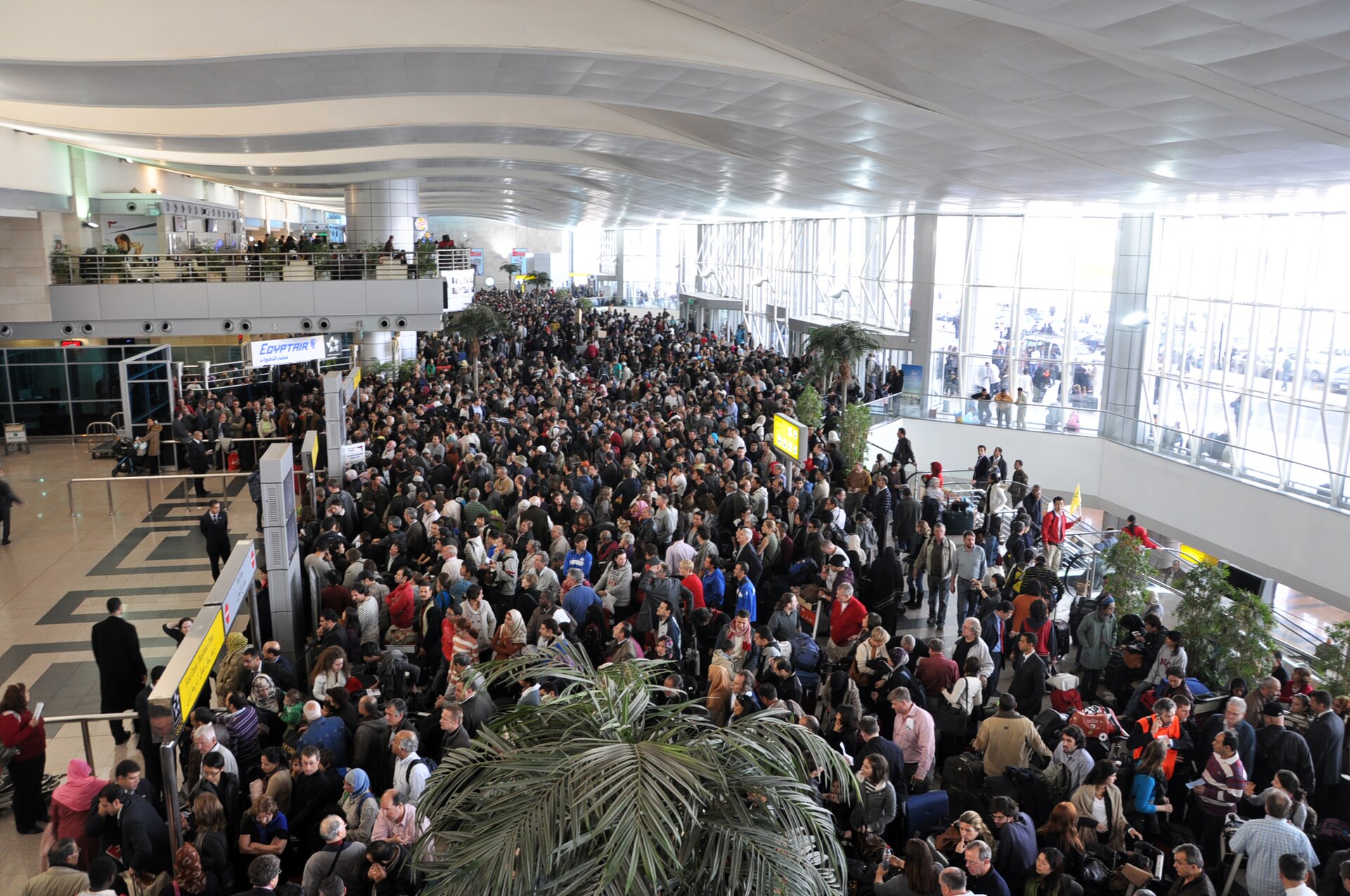
Chaos at Jakarta’s Soekarno-Hatta International Airport has left hundreds of passengers stranded, as major airlines like Batik Air, Citilink, and Garuda Indonesia struggle with flight cancellations and delays. The confusion stems not just from the sheer number of affected flights but from conflicting reports on the extent of the disruption.
While some reports suggest 22 flights were withdrawn and 136 were delayed, others claim different figures, highlighting a significant discrepancy in the data. Batik Air appears to be the primary culprit, responsible for the majority of cancellations, while Citilink leads in delays. This inconsistency in reporting underscores a broader issue with airline operations and communication.
Adding to the complexity, the airport recently managed a large influx of returning Hajj pilgrims, which likely strained its capacity to handle additional disruptions. Despite these challenges, the airport’s infrastructure seems intact, as evidenced by the swift resolution of a recent smoke incident.
The real issue now is accountability. With no clear statement from authorities, passengers are left in the dark about who is responsible for the chaos. The need for transparency and effective communication has never been more urgent, as travelers demand answers and solutions.
On January 12, 2026, PT Angkasa Pura Indonesia said 109 flights were delayed between 06:00 and 14:00 WIB because of bad weather, with General Manager Heru Karyadi saying the figures came from the airport’s Airport Operation Control Center. The clearest direct quote tied to recent Soekarno-Hatta operations comes from airport operator comments after a June 7, 2026 smoke incident at Terminal 2, when Yudistiawan, the assistant deputy for communication and legal affairs, said flight operations continued “without disruption” and the affected area returned to normal within minutes.
08 percent on-time performance during the 2026 Lebaran peak season, which creates a sharp contrast between holiday-period resilience and the more recent apparent deterioration in day-to-day punctuality. ANTARA reported on May 31 that 34,853 Indonesian Hajj pilgrims were scheduled to return through Soekarno-Hatta from June 1 to June 30, with Garuda Indonesia and Saudia Airlines handling those movements through Terminal 2F.
That statement is important mainly because it rules out one possible explanation for the current airline disruption narrative: the latest available official airport comment I found points away from terminal infrastructure failure and toward airline rotation, crew, weather, or network-management issues instead. The airport’s own earlier advisory also warned of “delay management procedures” during periods of high rainfall.
What happens next is less clear than the disruption itself, because I could not find a fresh official airport bulletin or regulator statement in the last seven days that definitively validates the 22-flight and 136-delay figures or announces enforcement, compensation, or a formal investigation. The same report says Citilink posted 21 delayed flights, the highest delay count among the named carriers, while Lion Air and Garuda Indonesia each recorded 12 delayed flights.
A non-mainstream travel site also described 28 canceled or withdrawn flights and 97 delays. There is at least one solid official benchmark showing Soekarno-Hatta has recently been vulnerable to large-scale disruption from operational stress.
A smoke incident on June 7, 2026, at Terminal 2 was quickly resolved, indicating infrastructure was not the main issue. 08 percent on-time performance during the 2026 Lebaran peak season, which creates a sharp contrast between holiday-period resilience and the more recent apparent deterioration in day-to-day punctuality.
08% on-time performance, contrasting with recent delays. ANTARA reported on May 31 that 34,853 Indonesian Hajj pilgrims were scheduled to return through Soekarno-Hatta from June 1 to June 30, with Garuda Indonesia and Saudia Airlines handling those movements through Terminal 2F.
With no clear statement from authorities, passengers are left in the dark about who is responsible for the chaos. The airport’s own earlier advisory also warned of “delay management procedures” during periods of high rainfall.
34,853 Indonesian Hajj pilgrims returned through Soekarno-Hatta in June, adding pressure to airport operations. Conflicting reports cite between 17-28 flight cancellations and 65-136 delays, complicating the assessment of the disruption.
The scale and speed of this development has caught many observers off guard. Each new update adds another dimension to a story that is still unfolding, and the full picture will only become clear as more verified details emerge from the people and institutions directly involved.
Analysts who have tracked this issue closely say the current moment represents a genuine turning point. The decisions made in the coming weeks are expected to set the direction for months ahead, with ripple effects likely to extend well beyond the immediate actors in the story.
For those directly affected, the practical impact is already visible. People navigating this fast-changing situation are dealing with real consequences while new information continues to reshape what is known and what remains open to interpretation.
Historical parallels offer some context, though experts caution against drawing too close a comparison. Similar situations have played out before, but the specific combination of pressures, personalities, and timing here makes this moment distinct in ways that matter for how it ultimately resolves.
The political and economic dimensions of this story are deeply intertwined. What appears as a single event on the surface is in practice the convergence of multiple pressures that have been building quietly over a longer period than most public reporting has captured.