


Quick Summary: U.s. Defends Venezuelas Earthquake Relief as Death Toll Climbs
- The official death toll in Venezuela has surged from 1,430 to at least 2,295, with over 11,000 injured — the pace of live rescues has drastically slowed.
- Rescue teams pulled a 43-year-old security guard alive from the rubble eight days post-quake, sparking brief hope amid criticism of the government response.
- Venezuelan authorities, led by acting President Delcy Rodríguez, face accusations of a slow and disorganized response to the disaster.
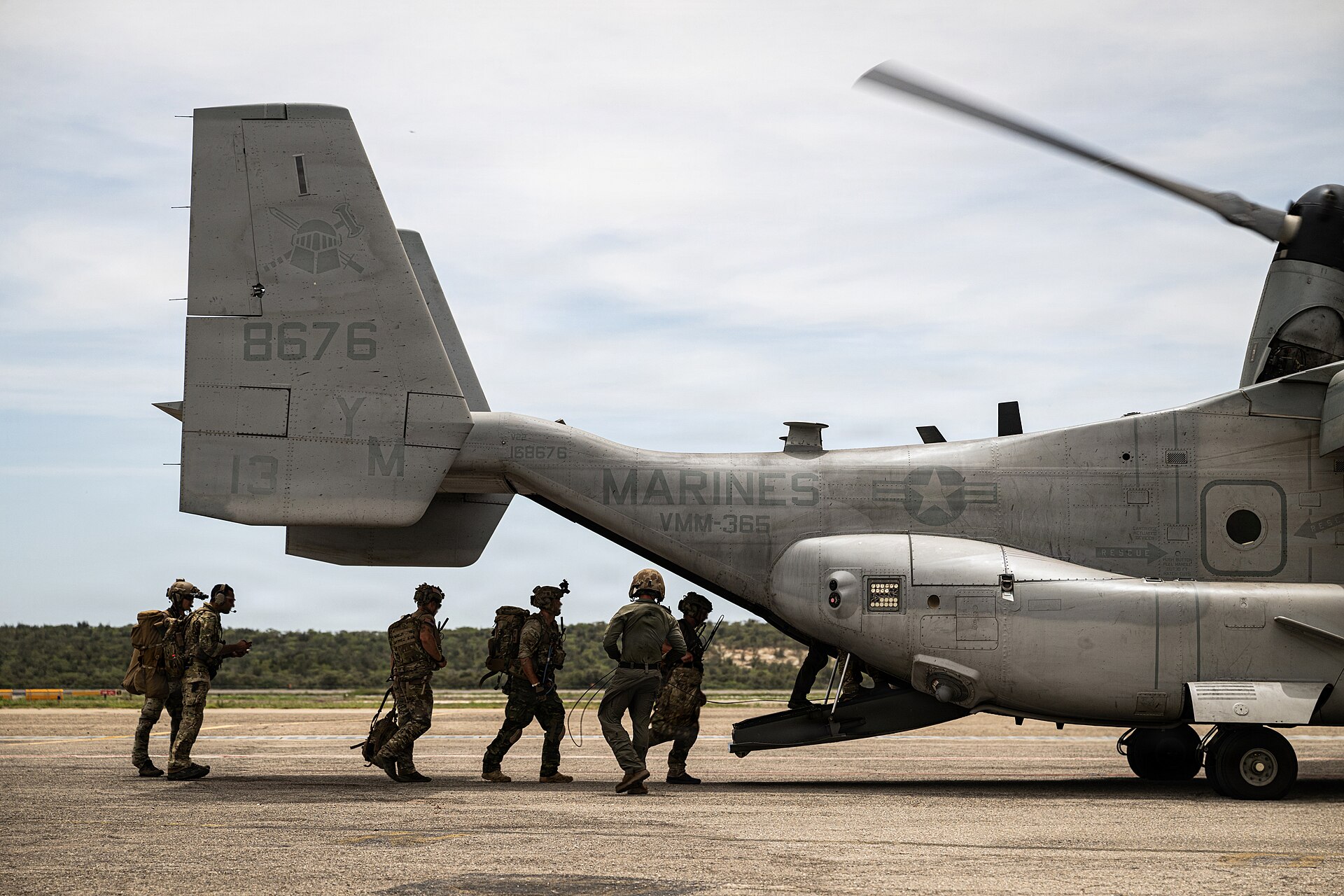
- The U.S. supports the Venezuelan government despite criticism, labeling the relief mission as “big, fast, effective.”.
- A potential second-phase health crisis looms due to untreated injuries and a strained healthcare system.
Source: Open external resource
Source: Read original article
In the wake of Venezuela’s devastating earthquakes, the nation finds itself grappling with a humanitarian disaster and a political storm. The official death toll has soared, and the pace of live rescues has plummeted, leaving rescue teams and citizens clinging to hope amidst mounting criticism.
Rescue efforts briefly reignited hope when a 43-year-old man was found alive eight days after the quakes, defying the typical survival window. However, this glimmer of hope is overshadowed by accusations against the Venezuelan government of a sluggish and disorganized response.
Acting President Delcy Rodríguez has faced backlash for the handling of the crisis, with critics accusing her administration of being unprepared and overwhelmed. Despite this, the U.S. has thrown its support behind the Venezuelan government, describing the relief efforts as substantial and effective.
The situation is further complicated by a looming health crisis. With the healthcare system near its limit, untreated injuries and disease risks pose a significant threat to the already beleaguered population.
As the immediate rescue phase winds down, the focus shifts to addressing the broader implications of the disaster. The political and humanitarian dimensions of this crisis are deeply intertwined, and the decisions made in the coming weeks will shape Venezuela’s path forward.
The government’s official toll has climbed sharply over the past week, from 1,430 dead six days ago to 1,450 four days ago and then at least 2,295 dead with more than 11,000 injured in the latest reporting, while authorities have acknowledged that the pace of live rescues has collapsed from 5,380 people saved in the first two days to just four found alive on Monday.
The Trump administration has described the relief mission as unusually large, with Secretary of State Marco Rubio earlier calling it a “big, fast, effective” and “whole-of-government” response, and reporting this week says the administration has also rebuffed attacks from María Corina Machado, who sought to use the quake response to press her case for returning to Venezuela.
Residents and former officials have accused the government of being absent in the first crucial hours, with civilian volunteers and foreign teams often appearing more visible in the rubble than Venezuelan state forces. That rescue matters because it came far beyond the usual 48-to-72-hour survival window experts cite after major quakes, turning Gil into the most dramatic symbol of a recovery effort that has otherwise been darkening by the day.
In the latest reporting, Rodríguez angrily rejected claims that officials had botched the operation or hidden the true scale of the catastrophe, using a press conference in Caracas on Thursday to lash out at critics as frustration spread in hard-hit coastal communities. ” Those warnings are especially alarming given the scale of casualties already reported and the likelihood that many survivors still need surgery, antibiotics, clean water and functioning hospitals rather than just food distributions.
has chosen to stand firmly behind the new Caracas authorities despite that backlash. The most concrete dispute on the ground is over competence and credibility.
There is also a worsening second-phase crisis in public health that may outlast the rescue drama. The key timeline over the last seven days shows how fast the story has escalated.
Rescue teams pulled a 43-year-old security guard alive from the rubble eight days post-quake, sparking brief hope amid criticism of the government response. Rescue efforts briefly reignited hope when a 43-year-old man was found alive eight days after the quakes, defying the typical survival window.
Acting President Delcy Rodríguez has faced backlash for the handling of the crisis, with critics accusing her administration of being unprepared and overwhelmed. However, this glimmer of hope is overshadowed by accusations against the Venezuelan government of a sluggish and disorganized response.
has thrown its support behind the Venezuelan government, describing the relief efforts as substantial and effective. With the healthcare system near its limit, untreated injuries and disease risks pose a significant threat to the already beleaguered population.
Venezuelan authorities, led by acting President Delcy Rodríguez, face accusations of a slow and disorganized response to the disaster. The official death toll has soared, and the pace of live rescues has plummeted, leaving rescue teams and citizens clinging to hope amidst mounting criticism.
The scale and speed of this development has caught many observers off guard. Each new update adds another dimension to a story that is still unfolding, and the full picture will only become clear as more verified details emerge from the people and institutions directly involved.
Analysts who have tracked this issue closely say the current moment represents a genuine turning point. The decisions made in the coming weeks are expected to set the direction for months ahead, with ripple effects likely to extend well beyond the immediate actors in the story.
For those directly affected, the practical impact is already visible. People navigating this fast-changing situation are dealing with real consequences while new information continues to reshape what is known and what remains open to interpretation.
Historical parallels offer some context, though experts caution against drawing too close a comparison. Similar situations have played out before, but the specific combination of pressures, personalities, and timing here makes this moment distinct in ways that matter for how it ultimately resolves.
The political and economic dimensions of this story are deeply intertwined. What appears as a single event on the surface is in practice the convergence of multiple pressures that have been building quietly over a longer period than most public reporting has captured.