

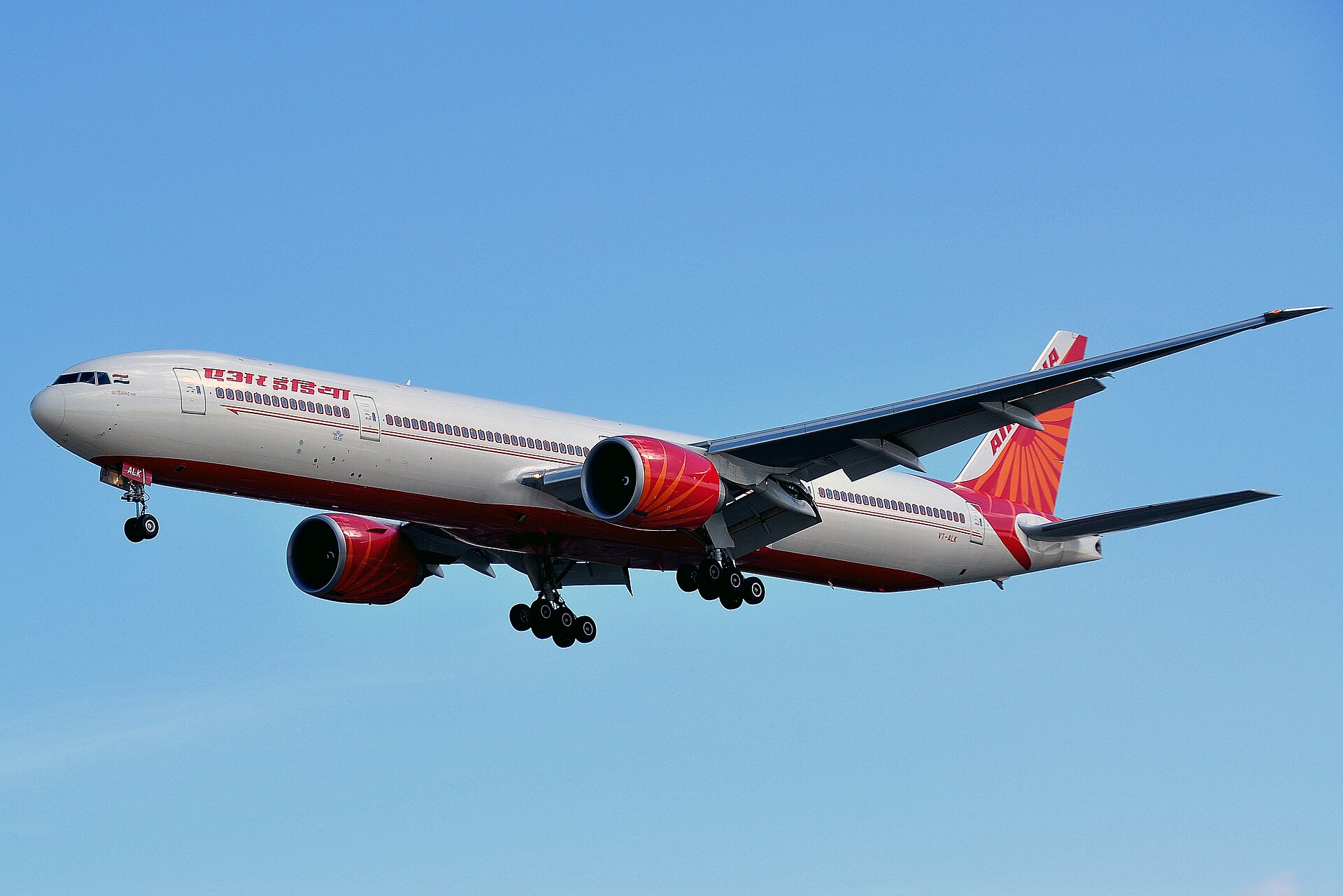

Quick Summary: Tata Groups Air India Eases Ticket Prices With Surcharge Cuts Amid Fuel Cost Dip
- Air India reduced fuel surcharges on long-haul international flights — the cuts aim to lower ticket prices amid easing fuel costs.
- The surcharge on routes to North America and Australia dropped from $280 to $200 — a significant $80 reduction per ticket.
- Flights to Europe and the UK saw surcharges fall from $205 to $125 — another $80 cut, impacting overall travel expenses.
- Air India initially raised surcharges in March due to Gulf-related fuel supply disruptions — the airline faced rising operating costs.
- The latest cuts reflect a partial rollback, not a full elimination — Air India remains cautious due to volatile fuel and market conditions.
Source: Open external resource
Source: Read original article
Air India’s decision to slash fuel surcharges on international flights is a refreshing move for travelers weary of rising costs. The Tata Group-owned airline has taken a decisive step to reduce the burden on its passengers by cutting surcharges on long-haul routes, a change that comes as a relief following months of elevated prices due to Gulf tensions.
The reduction is substantial, with surcharges on North America and Australia routes dropping by $80, bringing them down to $200. Similarly, flights to Europe and the UK have seen an $80 decrease, now at $125. These cuts are not just numbers; they represent a tangible easing of the financial load on travelers who have been paying the price for geopolitical disruptions.
Earlier this year, Air India justified its surcharge hikes by pointing to soaring aviation fuel costs, which accounted for a hefty 40% of its operating expenses. The airline’s recent action signals a shift, acknowledging that the emergency pricing measures are no longer as critical as they once were, thanks to stabilizing oil prices.
However, this is not a complete rollback. Air India is playing it safe, maintaining a cushion in fares to brace for any future volatility in fuel prices. The airline’s cautious approach underscores the ongoing uncertainty in the aviation sector, where fuel costs and geopolitical risks continue to loom large.
In its March 10 press statement, the airline said aviation turbine fuel accounted for nearly 40% of operating costs and had risen sharply because of Gulf-related supply interruptions. Air India’s earlier revisions had pushed international surcharges up by as much as $280, or roughly Rs 26,000 on some itineraries, according to The New Indian Express.
What makes the story stand out is that Air India is now unwinding part of a surcharge regime it defended aggressively in March and April 2026, when it said fuel costs had surged into “one of the most challenging fuel cost environments” airlines had faced in recent years. The context from earlier this year is crucial: Air India first rolled out a phased surcharge expansion on March 10, then announced further revisions on April 7, and now, in early July 2026, has begun to reduce at least the long-haul international burden it added during the fuel shock.
Those are reductions of $80 and $80 respectively, and they matter because they directly trim the total fare on some of Air India’s most expensive long-haul routes rather than offering a broad-based network discount. The most important development in the latest reporting is the size and selectivity of the cut: on routes to North America and Australia, Air India has reduced the fuel surcharge to $200 per ticket from $280, while on flights to Europe and the UK it has lowered the charge to $125 from $205.
40 at the end of February, nearly a 100% jump. Gulf News, citing PTI, reported the change today, and Mint carried the same figures yesterday.
Gulf News reported that Air India Express has also restored full West Asia connectivity, including resumed services to Salalah in Oman and Kuwait after earlier suspensions tied to regional conflict-related disruptions. Yesterday, Mint reported the surcharge cut and linked it to falling oil prices.
The context from earlier this year is crucial: Air India first rolled out a phased surcharge expansion on March 10, then announced further revisions on April 7, and now, in early July 2026, has begun to reduce at least the long-haul international burden it added during the fuel shock. The reduction is substantial, with surcharges on North America and Australia routes dropping by $80, bringing them down to $200.
Similarly, flights to Europe and the UK have seen an $80 decrease, now at $125. Earlier this year, Air India justified its surcharge hikes by pointing to soaring aviation fuel costs, which accounted for a hefty 40% of its operating expenses.
40 at the end of February, nearly a 100% jump. These cuts are not just numbers; they represent a tangible easing of the financial load on travelers who have been paying the price for geopolitical disruptions.
The scale and speed of this development has caught many observers off guard. Each new update adds another dimension to a story that is still unfolding, and the full picture will only become clear as more verified details emerge from the people and institutions directly involved.
Analysts who have tracked this issue closely say the current moment represents a genuine turning point. The decisions made in the coming weeks are expected to set the direction for months ahead, with ripple effects likely to extend well beyond the immediate actors in the story.
For those directly affected, the practical impact is already visible. People navigating this fast-changing situation are dealing with real consequences while new information continues to reshape what is known and what remains open to interpretation.
Historical parallels offer some context, though experts caution against drawing too close a comparison. Similar situations have played out before, but the specific combination of pressures, personalities, and timing here makes this moment distinct in ways that matter for how it ultimately resolves.
The political and economic dimensions of this story are deeply intertwined. What appears as a single event on the surface is in practice the convergence of multiple pressures that have been building quietly over a longer period than most public reporting has captured.