


Quick Summary: Trumps Election Overhaul Plan Meets Procedural Roadblocks
- Trump declared that Republicans won’t lose an election for 100 years if the Senate abolishes the filibuster and passes the SAVE America Act.
- The Senate is currently split 53-47 in Republicans’ favor, but lacks the votes to abolish the filibuster.
- Trump’s legislative demand is facing major procedural and judicial obstacles.
- The SAVE America Act would require proof of citizenship and photo ID for voting, sparking controversy.
- Critics see Trump’s push as an unprecedented attempt to centralize election power.
Source: Open external resource
Source: Read original article
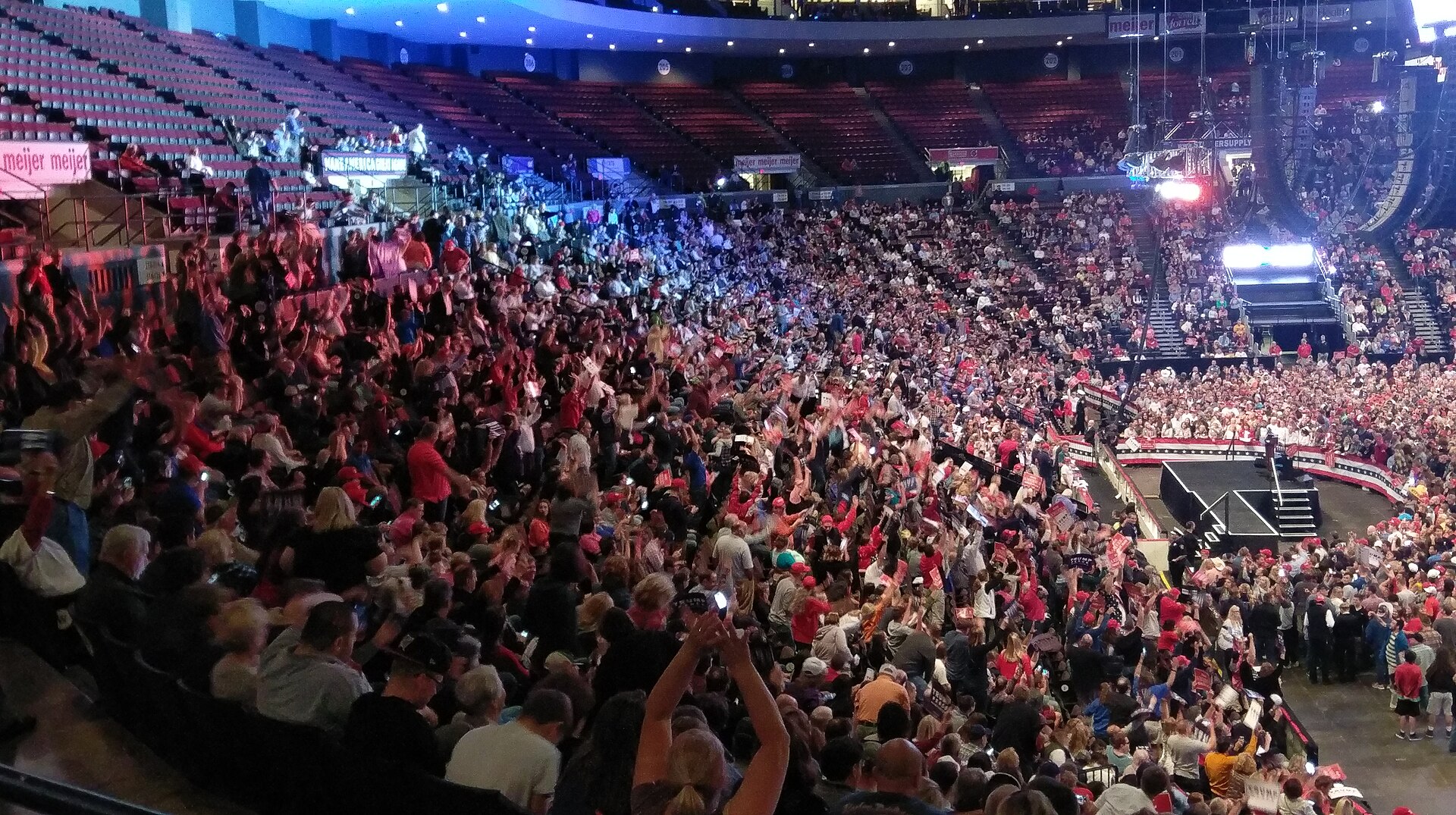
President Trump has made a bold claim that Republicans will dominate elections for a century if the Senate eliminates the filibuster and passes the SAVE America Act. Speaking at a rally, he tied this sweeping promise to a specific legislative demand, igniting a political firestorm. Trumps is at the center of this development.
The current Senate composition, however, poses a significant hurdle. With a 53-47 Republican majority, there aren’t enough votes to abolish the filibuster, making Trump’s demand more of a political statement than a feasible reality. This gap between rhetoric and legislative capability highlights the challenges facing his agenda.
The SAVE America Act, which requires proof of citizenship and photo ID for voting, is at the heart of this controversy. Critics argue that it’s less about election integrity and more about securing long-term political dominance. The White House, undeterred by judicial setbacks, remains confident in its executive orders, setting the stage for a clash between ambition and constitutional limits.
As the 2026 midterms approach, the stakes are high. The administration’s push for centralized election control is seen by many as an unprecedented power grab. Meanwhile, election officials warn that any last-minute changes could disrupt the voting process, emphasizing the need for stability in election administration.
The outcome remains uncertain, but what is clear is that Trump’s bold claim has raised the political temperature, challenging the very institutions he needs to achieve his vision.
Election officials told reporters they must begin sending ballots to military and overseas voters by mid-September, and California officials said ballots for more than 23 million voters are scheduled to go out by October 5. The Los Angeles Times reported on July 2 that Trump has pushed Homeland Security to compile citizenship data, sought to involve the Postal Service in deciding who gets mail ballots, and threatened funding pressure on states over voting systems.
The broader reporting this week shows that the claim is landing in the middle of a much larger fight over who controls elections before the November 3, 2026 midterms. The real deadline is the run-up to the November 3, 2026 election, with operational pressure building by mid-September for overseas and military ballots and by early October for large vote-by-mail states like California.
The Senate is split 53-47 in Republicans’ favor, but Senate Majority Leader John Thune has said there are not enough votes to abolish the 60-vote filibuster threshold, which means Trump’s demand is not merely controversial but procedurally blocked for now. Democrats and voting-rights groups are already framing it that way, and Senate Democrats have said they plan to send election observers to polls this fall because, as Chuck Schumer put it, “We’re not waiting for the chaos to arrive.
The biggest new development is that Trump has now tied a maximalist election promise to a specific legislative demand, declaring at a July 3 rally at Mount Rushmore that Republicans “will not lose an election for a hundred years” if the Senate kills the filibuster and passes the SAVE America Act, even as courts and Republican leaders are signaling major obstacles to that strategy. The central conflict is that Trump is demanding a federal overhaul of election rules while the constitutional machinery and even parts of his own party are pushing back.
That gap between Trump’s rhetoric and Senate reality is the most revealing part of the current story: he is promising a century of victories through a bill that his own side may not be able to pass. ” The White House is not backing down; it said this week it remains confident its election-related executive order can still be in place by November, setting up a direct clash between executive ambition and judicial limits.
As the 2026 midterms approach, the stakes are high. Democrats and voting-rights groups are already framing it that way, and Senate Democrats have said they plan to send election observers to polls this fall because, as Chuck Schumer put it, “We’re not waiting for the chaos to arrive.
The administration’s push for centralized election control is seen by many as an unprecedented power grab. Meanwhile, election officials warn that any last-minute changes could disrupt the voting process, emphasizing the need for stability in election administration.
The scale and speed of this development has caught many observers off guard. Each new update adds another dimension to a story that is still unfolding, and the full picture will only become clear as more verified details emerge from the people and institutions directly involved.
Analysts who have tracked this issue closely say the current moment represents a genuine turning point. The decisions made in the coming weeks are expected to set the direction for months ahead, with ripple effects likely to extend well beyond the immediate actors in the story.
For those directly affected, the practical impact is already visible. People navigating this fast-changing situation are dealing with real consequences while new information continues to reshape what is known and what remains open to interpretation.
Historical parallels offer some context, though experts caution against drawing too close a comparison. Similar situations have played out before, but the specific combination of pressures, personalities, and timing here makes this moment distinct in ways that matter for how it ultimately resolves.
The political and economic dimensions of this story are deeply intertwined. What appears as a single event on the surface is in practice the convergence of multiple pressures that have been building quietly over a longer period than most public reporting has captured.