

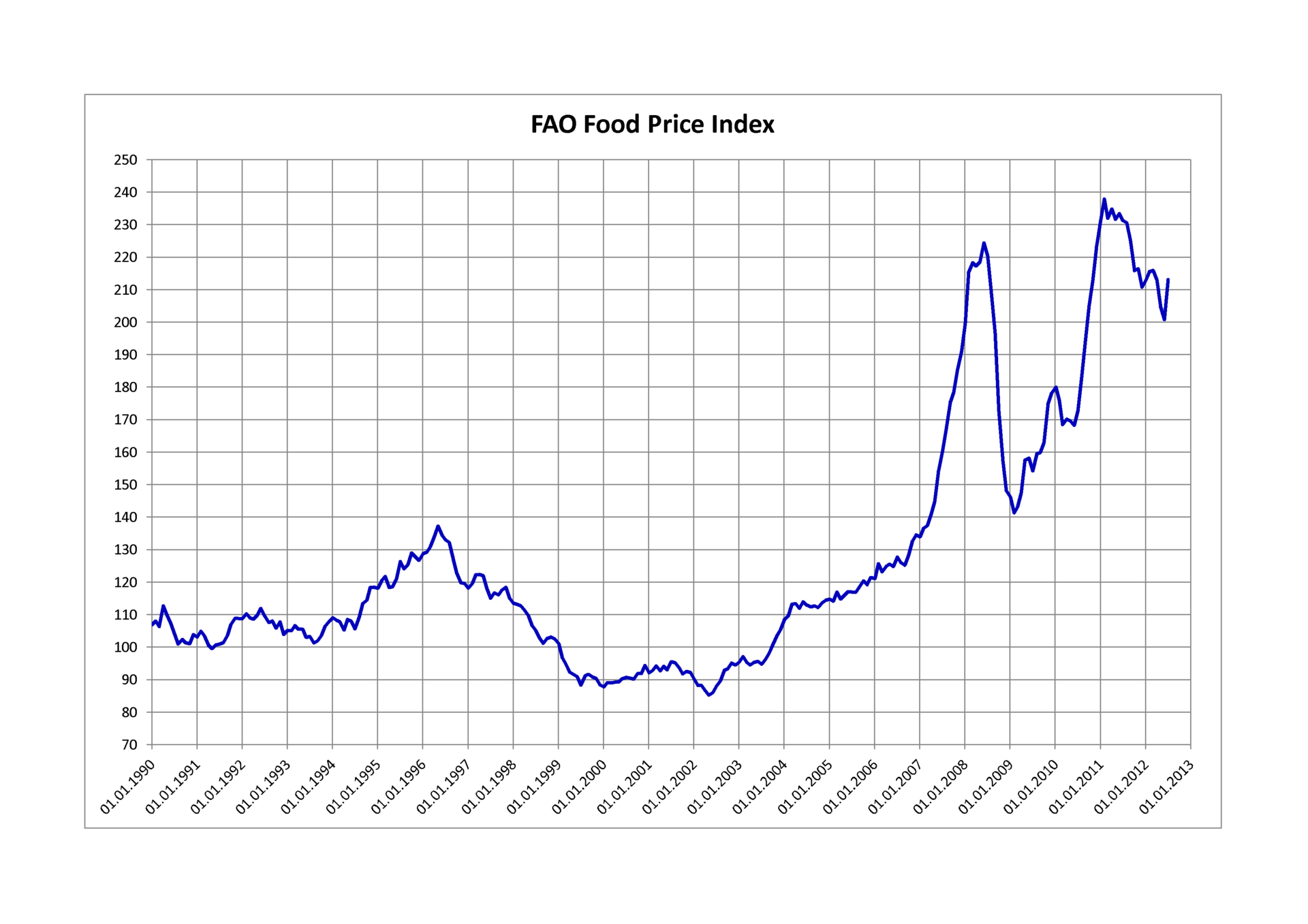

Quick Summary: FAO Reports 0.3% Dip in June Food Price Index Amid Mixed Trends
- FAO reported a 0.3% decline in the Food Price Index for June 2026 — sugar, cereals, and dairy prices fell significantly.
- Despite the overall dip, vegetable oils and meat prices rose — indicating uneven food inflation trends globally.
- The FAO sugar price index dropped 5.7% from May — linked to lower ethanol prices in Brazil and a weaker Brazilian real.
- Policymakers face mixed signals — lower headline prices but ongoing stress in specific commodities.
- Global cereal production forecast remains steady at 2.983 billion tonnes — a potential stabilizer amid price volatility.
Source: Open external resource
Source: Read original article
In a world where food prices are a critical economic indicator, the FAO’s latest report on global food commodity prices offers a mixed bag of news. While the headline figure shows a modest decline of 0.3% in June, the underlying details reveal a more complex picture.
Sugar, cereals, and dairy prices have fallen enough to drag down the overall index, yet the rise in vegetable oils and meat prices suggests that food inflation risks remain unevenly distributed across global markets. This dual narrative leaves policymakers and importers in a bind, as they navigate the implications of these divergent trends.
One of the more striking elements of the report is the 5.7% drop in the sugar price index, attributed to lower ethanol prices in Brazil and a weakened Brazilian real. However, looming concerns about El Niño impacting production in India and Thailand prevented a sharper decline, underscoring the fragility of the current easing trend.
FAO’s director of markets and trade, Boubaker Ben-Belhassen, aptly summarized the situation: “While the overall benchmark for international food commodity prices declined slightly in June, individual commodity markets continue to respond differently to evolving factors.” This statement encapsulates the ongoing tension between headline figures and the realities of commodity-specific market pressures.
Looking ahead, the stability of global cereal production, pegged at 2.983 billion tonnes, could play a crucial role in moderating broader food prices. However, any disruptions from weather or energy shocks could quickly reverse the current decline, leaving the global food price landscape as unpredictable as ever.
7% from May, with reporting tying the drop to lower ethanol prices in Brazil and a weaker Brazilian real. 983 billion tonnes, described as little changed from the previous monthly estimate.
3% fall; by July 4, multiple news outlets and regional wires were already amplifying the split between falling sugar, cereals and dairy, and rising oils and meat. That makes this less a developing scandal than a fast-moving macro signal: this week’s reporting is essentially the first market interpretation of fresh UN data, and that interpretation is that the easing trend remains fragile.
3% monthly decline in the index could prove fleeting. A notable companion detail in the newest reports is that FAO kept a relatively firm outlook for global grain supply even while flagging risk.
The key new development is that the UN’s FAO says world food commodity prices fell again in June, but the headline dip masked a sharper split underneath: sugar, cereals and dairy dropped enough to pull the overall index down even as vegetable oils and meat kept rising, a sign that food inflation risks are not easing evenly across global markets. 3 reading turns into a broader summer easing trend or whether El Niño-linked supply worries, especially around sugar and possibly grains, reverse it.
Until then, the June report leaves governments, food importers and commodity markets with a mixed message: world prices are lower on paper, but the underlying fight between weather risk, energy-linked costs and uneven commodity supply is still very much alive. The biggest debate driving the reporting is whether the June decline is meaningful relief or just statistical calm before renewed volatility.
3% decline in the Food Price Index for June 2026 — sugar, cereals, and dairy prices fell significantly. 7% from May — linked to lower ethanol prices in Brazil and a weaker Brazilian real.
7% drop in the sugar price index, attributed to lower ethanol prices in Brazil and a weakened Brazilian real. 983 billion tonnes, could play a crucial role in moderating broader food prices.
983 billion tonnes — a potential stabilizer amid price volatility. 3% in June, the underlying details reveal a more complex picture.
The scale and speed of this development has caught many observers off guard. Each new update adds another dimension to a story that is still unfolding, and the full picture will only become clear as more verified details emerge from the people and institutions directly involved.
Analysts who have tracked this issue closely say the current moment represents a genuine turning point. The decisions made in the coming weeks are expected to set the direction for months ahead, with ripple effects likely to extend well beyond the immediate actors in the story.
For those directly affected, the practical impact is already visible. People navigating this fast-changing situation are dealing with real consequences while new information continues to reshape what is known and what remains open to interpretation.
Historical parallels offer some context, though experts caution against drawing too close a comparison. Similar situations have played out before, but the specific combination of pressures, personalities, and timing here makes this moment distinct in ways that matter for how it ultimately resolves.
The political and economic dimensions of this story are deeply intertwined. What appears as a single event on the surface is in practice the convergence of multiple pressures that have been building quietly over a longer period than most public reporting has captured.