


Quick Summary: Idahos Volunteer Campaign Pushes Abortion Rights to 2026 Ballot
- Missouri stands as a key battleground — the state is debating whether to reverse a 2024 amendment protecting abortion rights.
- Idaho’s measure qualified for the 2026 ballot — a volunteer-driven campaign achieved a breakthrough in a restrictive abortion state.
- Nevada requires a second approval in 2026 — voters must back the amendment again for it to become constitutional.
- Virginia seeks to align with Roe’s framework — the proposal would protect abortion until fetal viability.
- Seven states have passed abortion rights measures post-Dobbs — highlighting a trend towards protecting abortion access.
Source: Open external resource
Source: Read original article
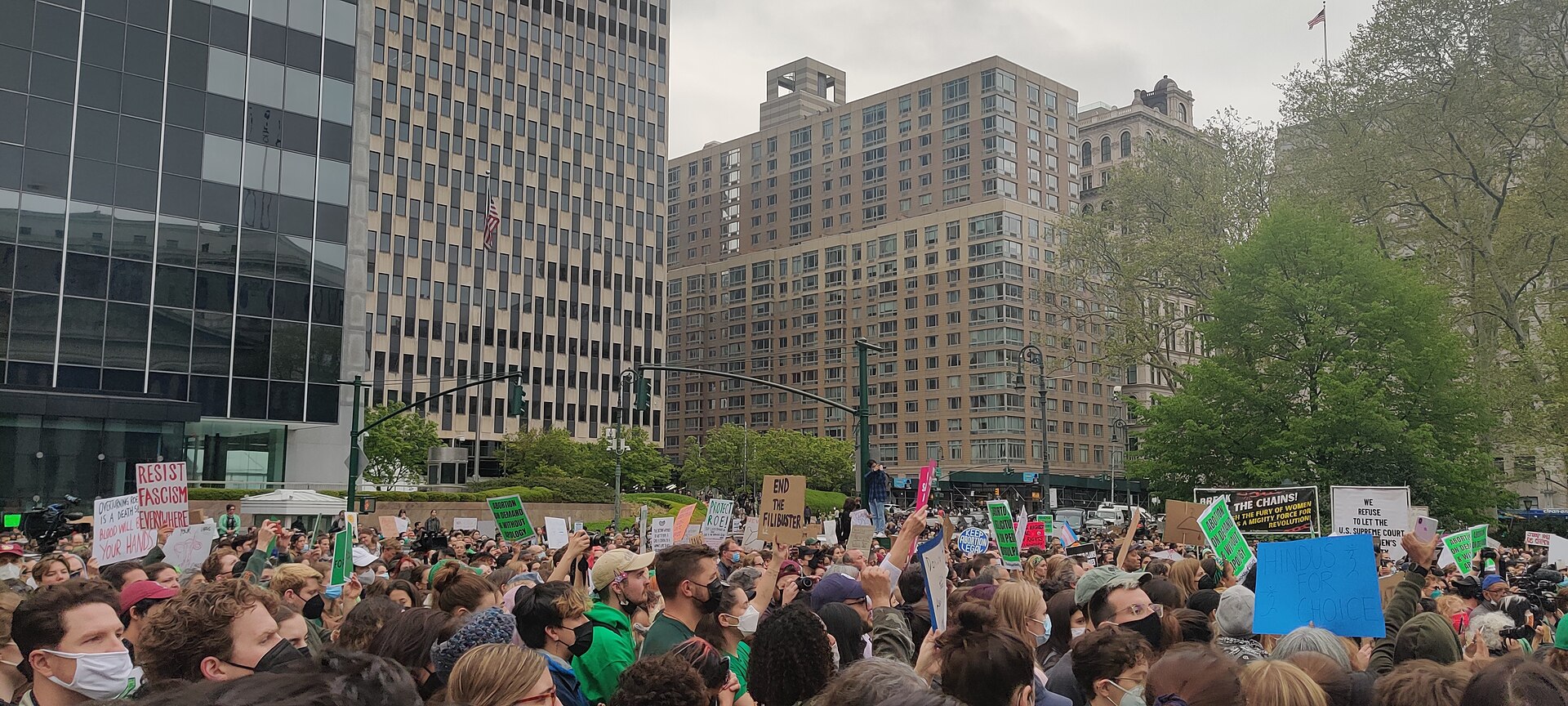
In an era where abortion rights are fiercely contested, four states are gearing up for a pivotal showdown in 2026. Missouri, Idaho, Nevada, and Virginia are all set to decide on measures that could reshape the landscape of reproductive rights in the United States. This battle is not just about access; it’s about the political and social values that these states choose to endorse.
Missouri emerges as the most contentious arena. As the first state to enforce a near-total abortion ban post-Roe, it now faces the question of whether to undo a 2024 constitutional amendment that protected abortion rights. This decision could mark a significant rollback in the post-Dobbs era, making Missouri a focal point for both abortion-rights advocates and their opponents.
Meanwhile, Idaho’s recent qualification for the 2026 ballot is a surprising development. A volunteer-driven initiative managed to secure enough signatures to propose a law allowing abortion until fetal viability. This move challenges the state’s stringent abortion restrictions and reflects a broader push by activists to influence policy in conservative strongholds.
Nevada and Virginia are also critical players. Nevada’s process requires voters to reaffirm an amendment in 2026 to enshrine it in the state constitution. Virginia aims to protect abortion rights up to fetal viability, aligning itself more closely with the pre-Dobbs framework. These states illustrate the varied approaches being taken to secure reproductive rights across the nation.
The stakes are high, as these measures are not isolated policy questions but strategic tools in a larger political battle. The outcomes could influence voter turnout and shape the political landscape in states where both parties have recently seen electoral success. As we approach the 2026 election, the focus will be on legal battles, voter mobilization, and the potential for dramatic policy shifts.
That makes Missouri the clearest battleground in the country: it was the first state after Roe’s fall to enforce a near-total abortion ban, and then the first state in 2024 to use a constitutional amendment to reverse such a ban. In Missouri, by contrast, voters are being asked whether to undo the 2024 constitutional amendment that protected abortion rights and instead restore an abortion ban with limited exceptions, while also adding restrictions on some gender-affirming care for minors.
Nevada’s constitutional-amendment process requires approval in two successive general elections, so even though voters backed the amendment once in 2024, they must approve it again in 2026 for it to take effect. That combination — repeal in one state, entrenchment in two others, and a breakthrough challenge in a deeply conservative state — gives 2026 a more volatile map than the cleaner abortion-rights wins of earlier cycles.
The immediate next step is the November 2026 general election, when voters in Virginia, Nevada, Missouri, and Idaho will decide whether to lock in abortion rights, reverse them, or create new statutory protections. The biggest new development is that Idaho election officials have now verified enough signatures to put an abortion-rights measure on the November 2026 ballot, turning what had been a four-state abortion fight into a sharper national test of whether post-Dobbs ballot politics still favors abortion-rights advocates.
KFF’s updated tracking says measures protecting abortion rights have succeeded in 7 states and failed in 3 since Dobbs, and that before the 2024 election, the abortion-rights side had prevailed in every state that voted on such initiatives. If Nevada passes its amendment a second time, it becomes part of the state constitution; if Missouri voters back the repeal measure, it would mark the most significant rollback yet of a post-Dobbs abortion-rights ballot victory; and if Idaho voters approve the initiative, it would create one of the most dramatic abortion-policy shifts in any heavily Republican state since 2022.
The central conflict is no longer just abortion access versus abortion bans; it is whether anti-abortion forces can claw back ground after a long losing streak at the ballot box. What makes this story stand out right now is the reversal embedded in Missouri and the expansion risk in Idaho.
As the first state to enforce a near-total abortion ban post-Roe, it now faces the question of whether to undo a 2024 constitutional amendment that protected abortion rights. That makes Missouri the clearest battleground in the country: it was the first state after Roe’s fall to enforce a near-total abortion ban, and then the first state in 2024 to use a constitutional amendment to reverse such a ban.
In Missouri, by contrast, voters are being asked whether to undo the 2024 constitutional amendment that protected abortion rights and instead restore an abortion ban with limited exceptions, while also adding restrictions on some gender-affirming care for minors. Here's what to know – Newsday Missouri stands as a key battleground — the state is debating whether to reverse a 2024 amendment protecting abortion rights.
Idaho’s measure qualified for the 2026 ballot — a volunteer-driven campaign achieved a breakthrough in a restrictive abortion state. Nevada requires a second approval in 2026 — voters must back the amendment again for it to become constitutional.
Seven states have passed abortion rights measures post-Dobbs — highlighting a trend towards protecting abortion access. In an era where abortion rights are fiercely contested, four states are gearing up for a pivotal showdown in 2026.
Meanwhile, Idaho’s recent qualification for the 2026 ballot is a surprising development. Nevada’s process requires voters to reaffirm an amendment in 2026 to enshrine it in the state constitution.
The scale and speed of this development has caught many observers off guard. Each new update adds another dimension to a story that is still unfolding, and the full picture will only become clear as more verified details emerge from the people and institutions directly involved.
Analysts who have tracked this issue closely say the current moment represents a genuine turning point. The decisions made in the coming weeks are expected to set the direction for months ahead, with ripple effects likely to extend well beyond the immediate actors in the story.
For those directly affected, the practical impact is already visible. People navigating this fast-changing situation are dealing with real consequences while new information continues to reshape what is known and what remains open to interpretation.
Historical parallels offer some context, though experts caution against drawing too close a comparison. Similar situations have played out before, but the specific combination of pressures, personalities, and timing here makes this moment distinct in ways that matter for how it ultimately resolves.
The political and economic dimensions of this story are deeply intertwined. What appears as a single event on the surface is in practice the convergence of multiple pressures that have been building quietly over a longer period than most public reporting has captured.