

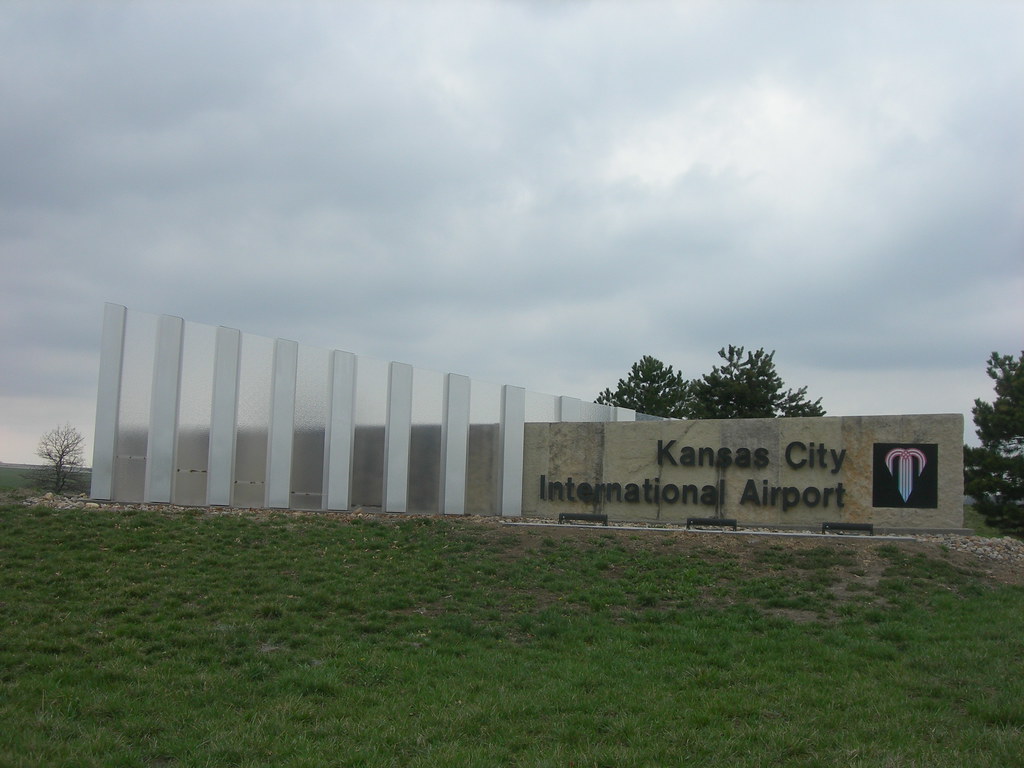

Quick Summary: World Cup Drives Record Travel Surge at Kansas City International Airport
- Kansas City International Airport set a new record with 24,266 outbound travelers on July 12, 2026, surpassing the previous high of 23,678.
- The record-breaking day occurred after Kansas City’s final World Cup match, indicating peak travel happens on departure days.
- Airport officials managed the surge by opening security gates earlier and deploying extra staff to maintain efficient operations.
- Melissa Cooper, director of aviation, praised the airport’s preparation in handling the increased traffic without chaos.
- Kansas City topped U.S. host cities in World Cup viewership, contributing to the airport’s unprecedented travel demand.
Source: Open external resource
Source: Read original article
Kansas City International Airport shattered its own outbound travel record on July 12, 2026, as the city bid farewell to the FIFA World Cup. With 24,266 passengers departing, the airport surpassed its previous record set in May 2025, showcasing Kansas City’s growing global appeal.
This travel surge wasn’t a fluke but a testament to Kansas City’s strategic planning. The airport’s management, led by Melissa Cooper, ensured a smooth experience by opening security gates earlier and deploying additional staff. This proactive approach prevented the chaos typically associated with such massive events.
During the World Cup, Kansas City not only led in viewership ratings but also saw unprecedented civic activity, including record streetcar trips. This influx of visitors highlighted the city’s infrastructural capabilities and its readiness to host global events.
Looking ahead, Kansas City International Airport remains vigilant as travel demand continues. The recent record is not just a milestone but a marker of Kansas City’s potential as a major international hub.
The Aviation Department said another busy outbound day was expected on Monday, July 13, 2026, immediately after the record-setting Sunday. Justin Meyer, deputy director of aviation, had already warned in June that the traffic surge reflected intense global interest in Kansas City, saying the June 17 rush was “a testament to the world’s interest in Kansas City” and crediting “airlines who added additional flights, security partners who brought in additional staff, and other vendors” for stabilizing the passenger experience.
The Kansas City Aviation Department said Sunday’s 24,266 outbound travelers came the day after the city’s final World Cup match, underscoring that the biggest crush is now happening on departure days rather than only on game days themselves. The standout revelation in the latest reporting is not just that the airport broke a record, but how decisively it did so during the final stretch of Kansas City’s 2026 FIFA World Cup run.
On June 17, 2026, MCI had what was then its second-busiest outbound day in airport history, and officials described it as the busiest Wednesday in the airport’s 54-year history. Kansas City International Airport’s biggest new development is stark and specific: on Sunday, July 12, 2026, MCI logged the busiest outbound day in its history, screening 24,266 departing passengers, a World Cup-driven surge that broke the previous record of 23,678 set on May 18, 2025.
Airport officials also said MCI had already produced eight separate days with more than 20,000 passengers screened during the tournament period, showing that this was not a one-off spike but part of a sustained traffic wave. ” Her comments make clear that the debate here was operational preparedness versus overload, and in the latest official telling, MCI believes it passed the stress test.
The city had already reported by July 1 that MCI had topped 20,000 outbound travelers on six different days during the World Cup, calling that volume the equivalent of “six peak Thanksgiving travel days” in two weeks. That staffing story matters because it turns what could have been a meltdown into a success narrative for airport management: in an earlier June 18 release, MCI said a prior near-record travel day on June 17 produced average security waits of just 2 to 4 minutes even amid World Cup volumes.
Justin Meyer, deputy director of aviation, had already warned in June that the traffic surge reflected intense global interest in Kansas City, saying the June 17 rush was “a testament to the world’s interest in Kansas City” and crediting “airlines who added additional flights, security partners who brought in additional staff, and other vendors” for stabilizing the passenger experience. The Kansas City Aviation Department said Sunday’s 24,266 outbound travelers came the day after the city’s final World Cup match, underscoring that the biggest crush is now happening on departure days rather than only on game days themselves.
With 24,266 passengers departing, the airport surpassed its previous record set in May 2025, showcasing Kansas City’s growing global appeal. On June 17, 2026, MCI had what was then its second-busiest outbound day in airport history, and officials described it as the busiest Wednesday in the airport’s 54-year history.
Melissa Cooper, director of aviation, praised the airport’s preparation in handling the increased traffic without chaos. The record-breaking day occurred after Kansas City’s final World Cup match, indicating peak travel happens on departure days.
host cities in World Cup viewership, contributing to the airport’s unprecedented travel demand. This travel surge wasn’t a fluke but a testament to Kansas City’s strategic planning.
The scale and speed of this development has caught many observers off guard. Each new update adds another dimension to a story that is still unfolding, and the full picture will only become clear as more verified details emerge from the people and institutions directly involved.
Analysts who have tracked this issue closely say the current moment represents a genuine turning point. The decisions made in the coming weeks are expected to set the direction for months ahead, with ripple effects likely to extend well beyond the immediate actors in the story.
For those directly affected, the practical impact is already visible. People navigating this fast-changing situation are dealing with real consequences while new information continues to reshape what is known and what remains open to interpretation.
Historical parallels offer some context, though experts caution against drawing too close a comparison. Similar situations have played out before, but the specific combination of pressures, personalities, and timing here makes this moment distinct in ways that matter for how it ultimately resolves.
The political and economic dimensions of this story are deeply intertwined. What appears as a single event on the surface is in practice the convergence of multiple pressures that have been building quietly over a longer period than most public reporting has captured.