


Quick Summary: International Forum Backs Uzbekistans Islamic Civilizations Alliance
- Delegates from over 40 countries endorsed Uzbekistan’s proposal for a World Alliance for Islamic Civilization, marking a shift from rhetoric to action.
- The initiative is backed by a Declaration and Roadmap, with participants expressing readiness to implement these plans.
- The alliance aims to coordinate international research, academic exchanges, and cultural heritage preservation.
- The forum, held in three Uzbek cities, gathered nearly 300 participants from almost 50 countries.
- The initiative is positioned as a response to Islamophobia and misinformation about Islamic civilization.
Source: Open external resource
Source: Read original article
Uzbekistan’s bold move to establish a World Alliance of Islamic Civilizations has garnered unanimous support from delegates representing over 40 countries. This isn’t just a symbolic gesture; it’s a concrete step towards creating a global network dedicated to promoting Islamic culture and countering negative narratives.
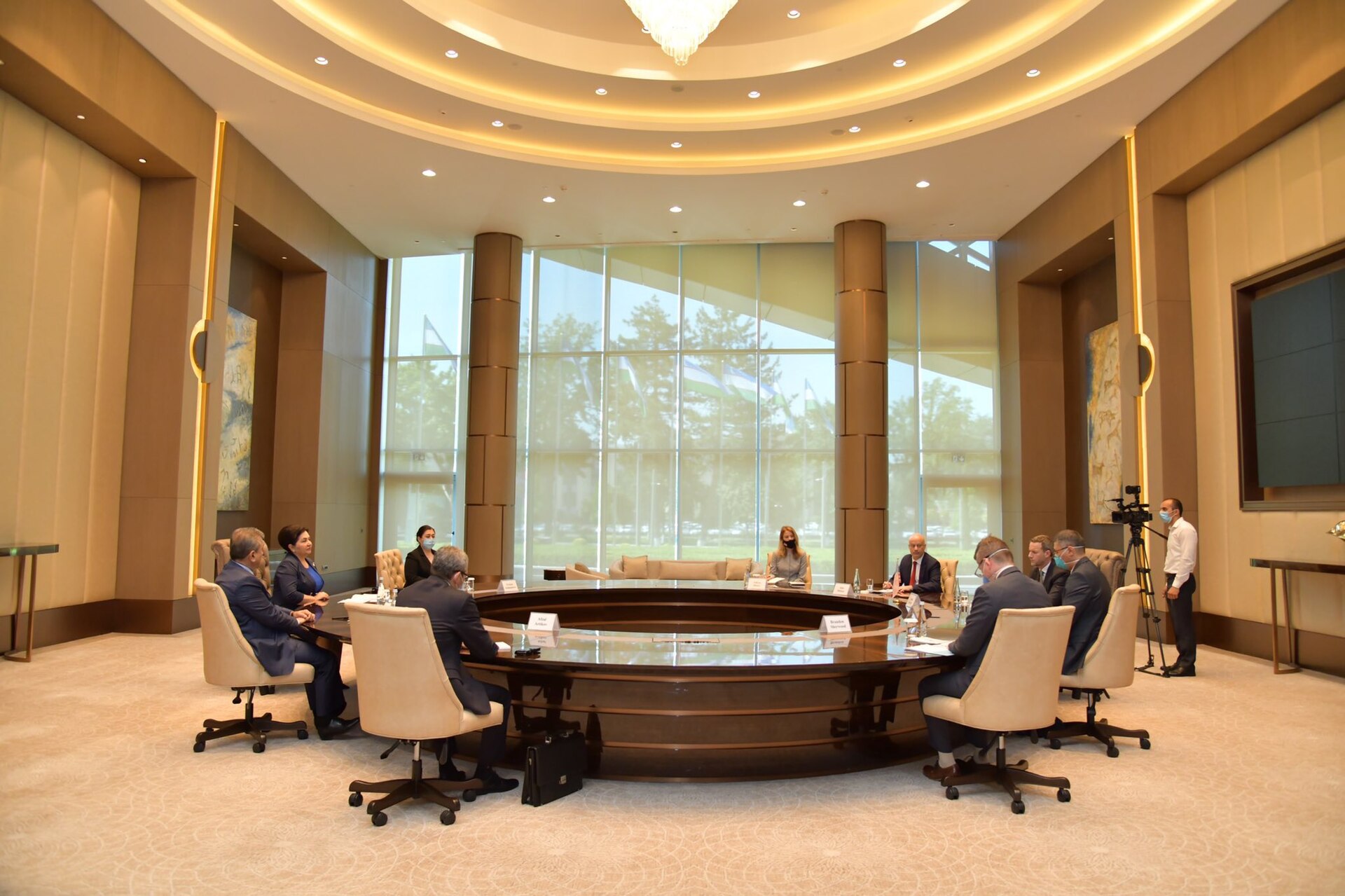
The forum, which took place from July 7 to July 11 across Tashkent, Samarkand, and Termez, was a significant diplomatic win for Uzbekistan. Participants adopted a Declaration and Roadmap, signaling their commitment to this initiative. The alliance is set to foster international research, academic exchanges, and the preservation of cultural heritage, linking governments, universities, museums, and research bodies.
This initiative is more than a cultural endeavor; it’s a strategic response to combat Islamophobia and extremist ideologies. As Azerbaijani President Ilham Aliyev noted, the opening of the Islamic Civilization Center showcases Islam as a religion of peace and brotherhood, challenging distorted narratives.
President Shavkat Mirziyoyev’s leadership has been pivotal, tracing back to his 2017 UN General Assembly proposal. The forum’s outcome is a testament to his vision of ‘Enlightenment against Ignorance,’ now evolving into a potentially permanent international coalition.
The forum ran from July 7 to July 11 across three Uzbek cities — Tashkent, Samarkand, and Termez — and was expected to gather nearly 300 participants from almost 50 countries, according to the organizers’ information letter. The biggest new development is that delegates from more than 40 countries have now moved beyond rhetorical support and explicitly announced their intention to implement Uzbekistan’s proposal for a World Alliance for Islamic Civilization, turning what had been a forum theme into a concrete multilateral project after the First International Islamic Civilization Forum concluded on July 9.
The most specific reporting available this week shows that the initiative won backing through an address adopted by participants at the forum and tied directly to a Declaration and Roadmap approved at the event. ” Forum participants said his opening address “defined the forum’s central vision and direction,” and they called the Center one of the most significant humanitarian initiatives of the past decade.
Organizers had already set a July 20 deadline for abstract submissions tied to the forum’s scholarly track, and the alliance proposal itself is now supposed to move forward through consultation with the Uzbek president and implementation of the adopted Roadmap. The surprising twist is that the Center itself is no longer being described merely as a national museum or research hub; participants now say it has been recognized as a “global platform for dialogue and cooperation,” effectively making it the base from which the alliance could be launched.
That sequence is important because it shows the July 13 headlines were not the original decision point but the public consolidation of agreements reached during the four-day discussions. On July 7, the forum opened in Tashkent; on July 7 and 8, the main events and plenary sessions were held at the Islamic Civilization Center; on July 9, participants concluded the forum’s core work and adopted the address, Declaration, and Roadmap; and on July 13, broader news reporting highlighted that Uzbekistan would proceed with establishing the alliance.
Until that happens, the story’s significance lies in the fact that Uzbekistan has converted a forum on peace, tolerance, and enlightenment into a potentially permanent international coalition with backing from more than 40 countries and participation on the order of 300 delegates from nearly 50 states. ” That matters because it frames the outcome not as a vague cultural statement but as an agreed next step with institutional follow-through.
President Shavkat Mirziyoyev’s leadership has been pivotal, tracing back to his 2017 UN General Assembly proposal. ” Forum participants said his opening address “defined the forum’s central vision and direction,” and they called the Center one of the most significant humanitarian initiatives of the past decade.
info Delegates from over 40 countries endorsed Uzbekistan’s proposal for a World Alliance for Islamic Civilization, marking a shift from rhetoric to action. The forum, held in three Uzbek cities, gathered nearly 300 participants from almost 50 countries.
Uzbekistan’s bold move to establish a World Alliance of Islamic Civilizations has garnered unanimous support from delegates representing over 40 countries. The forum, which took place from July 7 to July 11 across Tashkent, Samarkand, and Termez, was a significant diplomatic win for Uzbekistan.
As Azerbaijani President Ilham Aliyev noted, the opening of the Islamic Civilization Center showcases Islam as a religion of peace and brotherhood, challenging distorted narratives. On July 7, the forum opened in Tashkent; on July 7 and 8, the main events and plenary sessions were held at the Islamic Civilization Center; on July 9, participants concluded the forum’s core work and adopted the address, Declaration, and Roadmap; and on July 13, broader news reporting highlighted that Uzbekistan would proceed with establishing the alliance.
The scale and speed of this development has caught many observers off guard. Each new update adds another dimension to a story that is still unfolding, and the full picture will only become clear as more verified details emerge from the people and institutions directly involved.
Analysts who have tracked this issue closely say the current moment represents a genuine turning point. The decisions made in the coming weeks are expected to set the direction for months ahead, with ripple effects likely to extend well beyond the immediate actors in the story.
For those directly affected, the practical impact is already visible. People navigating this fast-changing situation are dealing with real consequences while new information continues to reshape what is known and what remains open to interpretation.
Historical parallels offer some context, though experts caution against drawing too close a comparison. Similar situations have played out before, but the specific combination of pressures, personalities, and timing here makes this moment distinct in ways that matter for how it ultimately resolves.
The political and economic dimensions of this story are deeply intertwined. What appears as a single event on the surface is in practice the convergence of multiple pressures that have been building quietly over a longer period than most public reporting has captured.