

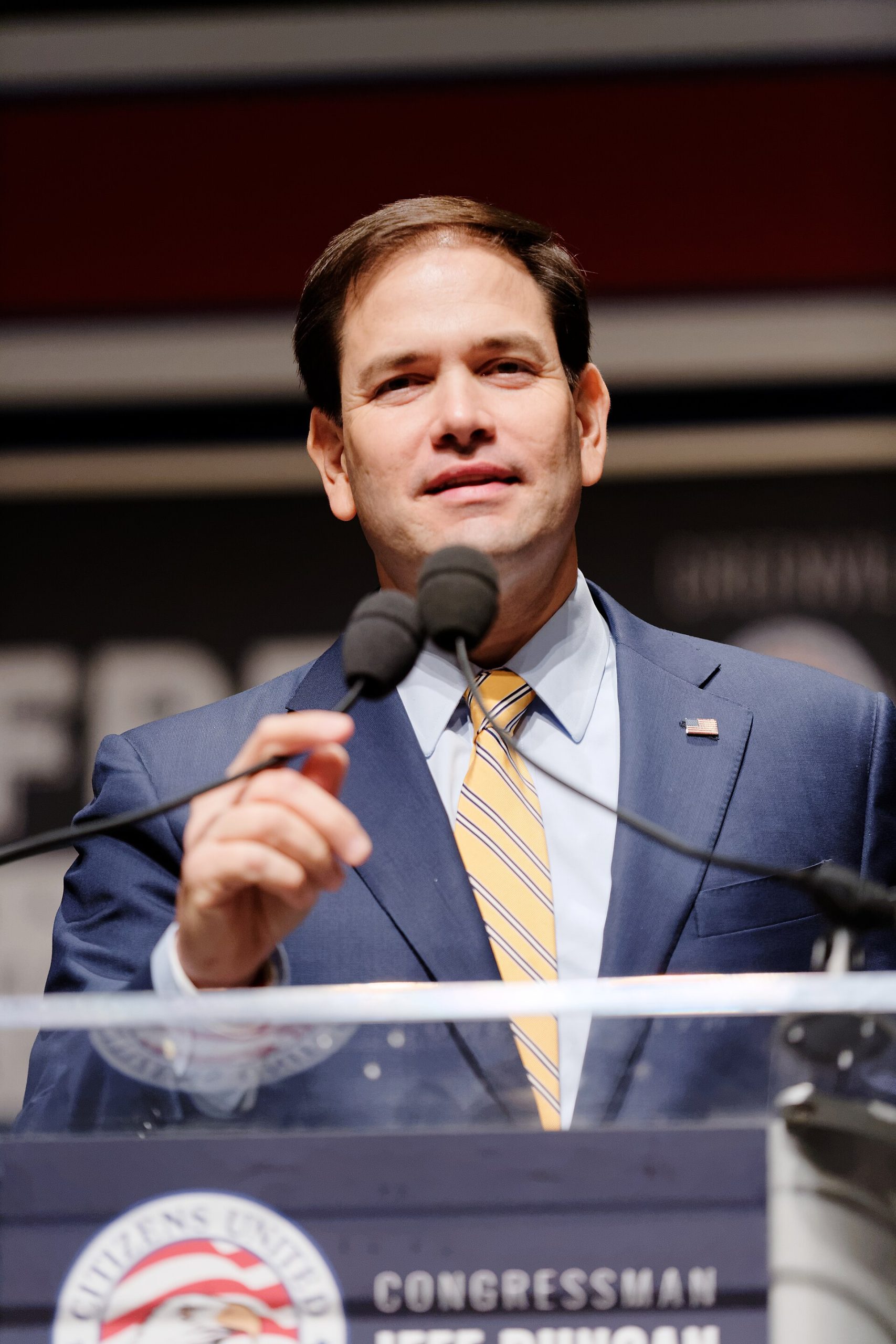

Quick Summary: Crists Bid for St. Petersburg Mayor Tests His Political Resilience
- Charlie Crist, 69, filed to run for mayor of St. Petersburg, marking a shift from statewide politics.
- He previously lost two gubernatorial races, the last to Ron DeSantis with 59% of the vote.
- Crist’s entry challenges incumbent Ken Welch, whom he had previously endorsed.
- The race is set against a backdrop of local crises, including hurricane recovery and high water bills.
- Crist’s run is seen as a test of his enduring political relevance in Florida.
Source: Open external resource
Source: Read original article
Charlie Crist’s latest political maneuver is a surprising pivot from the statewide stage to a local one, as he officially enters the race for mayor of St. Petersburg. This move has turned what might have been a routine election into a high-stakes contest, testing whether Crist, a seasoned political figure, still has the clout to win over voters. Crists is at the center of this development.
Despite his storied career, including a stint as Florida’s governor and multiple congressional terms, Crist’s recent history is marked by defeats. His last gubernatorial run ended in a decisive loss to Ron DeSantis, who captured 59% of the vote. Now, Crist is challenging his own endorsement by running against Ken Welch, the current mayor of St. Petersburg.
St. Petersburg is grappling with significant challenges, from hurricane recovery efforts to public discontent over water bills. These issues have heightened the importance of the mayoral race, making it a referendum on local governance and crisis management. Crist’s entry into the race brings a new level of scrutiny to Welch’s record and raises questions about Crist’s political staying power.
While Crist’s past includes party-switching and various political roles, this mayoral bid is intensely personal. He emphasizes his deep ties to St. Petersburg, hoping to leverage his local roots over partisan affiliations. The race, though officially nonpartisan, is now a battleground for Crist’s legacy and Welch’s leadership.
In a field with multiple candidates, Crist must prove that his name still resonates with voters. The outcome will reveal whether Crist’s political journey has reached its final chapter or if he can once again reinvent himself in the eyes of Florida’s electorate.
The key new development is that Crist, now 69, formally filed election paperwork this week to run for mayor of his hometown, according to the latest AP reporting, after years of failed statewide bids and just four years after losing the governor’s race to Ron DeSantis by about 59 percent of the vote. House as a Democrat, and lost two gubernatorial races as a Democrat, first to Rick Scott in 2014 and then to DeSantis in 2022.
In that 2022 loss, DeSantis beat him with roughly 59 percent of the vote, a reminder that Crist’s last statewide outing ended not in a near miss but in a decisive defeat. Petersburg has been dealing with the aftermath of Hurricanes Helene and Milton in 2024, uncertainty after the sale of the Tampa Bay Rays, and continuing anger over high water bills.
Petersburg High School and his past representation of the area in Congress. Welch has said he is focused on the job, signaling that the contest is likely to become a fight over crisis management and local competence rather than biography alone.
Charlie Crist’s newest comeback is not a return to statewide politics but a filing for mayor of St. It’s home,” he said, tying the race to his graduation from St.
Petersburg mayor’s race, officially nonpartisan but now supercharged by Crist’s entry, is likely to draw closer scrutiny of both Welch’s record and Crist’s durability. Crist has not framed the bid as ideological, but the political subtext is obvious: after serving as a Republican governor, later a Democratic congressman, and also running as an independent, he is once again asking voters to separate his personal brand from the party-switching history that has defined much of his career.
Charlie Crist’s latest political maneuver is a surprising pivot from the statewide stage to a local one, as he officially enters the race for mayor of St. Despite his storied career, including a stint as Florida’s governor and multiple congressional terms, Crist’s recent history is marked by defeats.
Now, Crist is challenging his own endorsement by running against Ken Welch, the current mayor of St. Charlie Crist’s newest comeback is not a return to statewide politics but a filing for mayor of St.
The scale and speed of this development has caught many observers off guard. Each new update adds another dimension to a story that is still unfolding, and the full picture will only become clear as more verified details emerge from the people and institutions directly involved.
Analysts who have tracked this issue closely say the current moment represents a genuine turning point. The decisions made in the coming weeks are expected to set the direction for months ahead, with ripple effects likely to extend well beyond the immediate actors in the story.
For those directly affected, the practical impact is already visible. People navigating this fast-changing situation are dealing with real consequences while new information continues to reshape what is known and what remains open to interpretation.
Historical parallels offer some context, though experts caution against drawing too close a comparison. Similar situations have played out before, but the specific combination of pressures, personalities, and timing here makes this moment distinct in ways that matter for how it ultimately resolves.
The political and economic dimensions of this story are deeply intertwined. What appears as a single event on the surface is in practice the convergence of multiple pressures that have been building quietly over a longer period than most public reporting has captured.