

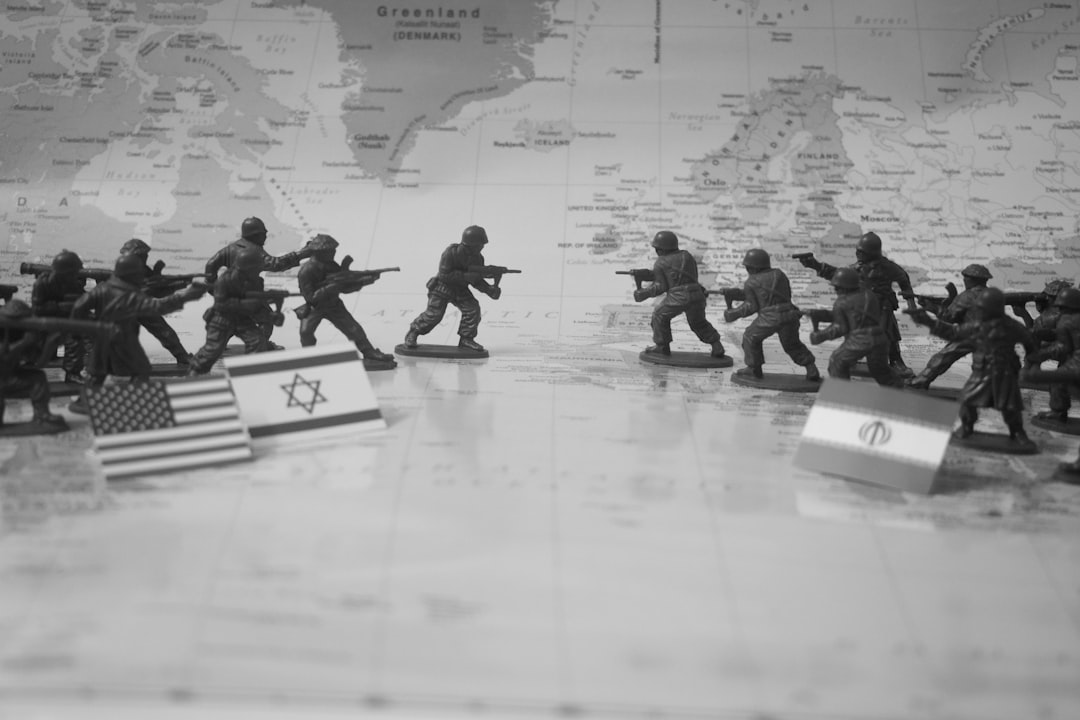

Quick Summary: Iran Declares U.s. Stuck and Struggling Amid Conflict Pause
- Iran declares the U.S. is “stuck and struggling” after five months of conflict — the U.S. pauses attacks, and Iran halts retaliatory strikes.
- Syrian President Ahmed al-Sharaa aims for a security agreement with Israel — a significant shift as Israel has conducted strikes in southern Syria.
- Germany’s arms exports to Israel surged to nearly 800 million euros in five months — the exports face scrutiny over a major maritime project.
- Libya sees civil disobedience over blackouts and high electricity rates — protesters aim to paralyze the government of Prime Minister Abdul Hamid Dbeibah.
- Oman-Iran talks over the Strait of Hormuz continue — the strait remains closed amid ongoing tensions.
Source: Open external resource
Source: Read original article
In a world where geopolitical tensions are as volatile as ever, Al Jazeera’s latest updates paint a vivid picture of shifting alliances and brewing conflicts. Iran’s bold declaration that the U.S. is “stuck and struggling” after five months of conflict sets the stage for a tense standoff, with both nations pausing their aggressive postures, at least for now.
Meanwhile, Syrian President Ahmed al-Sharaa’s unexpected move towards a security agreement with Israel marks a potential turning point in Middle Eastern diplomacy. This comes despite Israel’s previous military actions in southern Syria, indicating a complex web of regional politics at play.
Adding to the international intrigue, Germany’s arms exports to Israel have skyrocketed, raising eyebrows and ethical questions. The surge, tied to a significant maritime project, highlights the intricate dance of diplomacy and military strategy in Europe and the Middle East.
On the home front, Libya is grappling with domestic unrest as citizens protest against crippling blackouts and soaring electricity rates. The civil disobedience campaign aims to bring the government to its knees, reflecting the deep-seated frustrations of a populace yearning for change.
As Oman mediates talks over the strategic Strait of Hormuz, the world watches closely. This vital maritime chokepoint remains closed, a symbol of the ongoing tensions that continue to shape global energy dynamics.
He also announced a special committee on the missing from Syria’s 2011-2024 war, where the UN estimates about 100,000 people were forcibly disappeared and Syria’s National Commission on Missing Persons believes the true number could be as high as 300,000. That is a remarkable shift given Al Jazeera’s report that Israel has carried out repeated incursions and strikes in southern Syria since al-Sharaa came to power in December 2024 after Bashar al-Assad’s government collapsed.
Al Jazeera reports outages of up to 10 hours a day, tyre-burning into the early hours of Monday, and a movement that says its aim is to “completely paralyse the government” of Prime Minister Abdul Hamid Dbeibah; in parallel, White House adviser Massad Boulos said he held a “productive call” with Dbeibah on Sunday about unification and security coordination with AFRICOM. The most important new development is the apparent military pause after nearly two weeks of heavy bombing layered onto a much longer five-month confrontation, with Al Jazeera reporting at 05:21 on Sunday, July 27, 2026, that Iran says it, not Washington, will decide when the conflict ends.
In an exclusive Al Jazeera interview published on July 26, Syrian President Ahmed al-Sharaa said Damascus is “actively working” toward a security agreement with Israel “with the participation of several countries” and hopes it can become a gateway to broader peace, even while insisting Syria’s claim to the occupied Golan Heights will not be compromised. 8bn, in the first six months of 2026, more than four times the same period in 2025.
On the Germany-Israel issue, the political pressure point is whether Berlin discloses the “major maritime project” and faces renewed scrutiny over exports that surged to nearly 800 million euros in five months. ” Analysts cited by Al Jazeera say the likeliest candidate is the INS Drakon, a Dolphin II-class submarine built by TKMS and valued at about 480 million euros, or $548m, which was reportedly handed over to the Israeli Navy last week.
Al Jazeera says Chancellor Friedrich Merz had announced in early August that Germany would issue no further licences for military equipment usable in Gaza, but the restrictions were later lifted and export applications returned to case-by-case review. On Al Jazeera’s homepage, the lead headline says President Donald Trump is rejecting claims of US ammunition shortages and has shared AI-generated images of strikes, while separate live updates note that Oman-Iran talks over Hormuz are continuing and that the strait remains closed, according to Iranian spokesman Baghaei.
That is a remarkable shift given Al Jazeera’s report that Israel has carried out repeated incursions and strikes in southern Syria since al-Sharaa came to power in December 2024 after Bashar al-Assad’s government collapsed. Germany’s arms exports to Israel surged to nearly 800 million euros in five months — the exports face scrutiny over a major maritime project.
The surge, tied to a significant maritime project, highlights the intricate dance of diplomacy and military strategy in Europe and the Middle East. 8bn, in the first six months of 2026, more than four times the same period in 2025.
This comes despite Israel’s previous military actions in southern Syria, indicating a complex web of regional politics at play. Syrian President Ahmed al-Sharaa aims for a security agreement with Israel — a significant shift as Israel has conducted strikes in southern Syria.
Meanwhile, Syrian President Ahmed al-Sharaa’s unexpected move towards a security agreement with Israel marks a potential turning point in Middle Eastern diplomacy. Oman-Iran talks over the Strait of Hormuz continue — the strait remains closed amid ongoing tensions.
The scale and speed of this development has caught many observers off guard. Each new update adds another dimension to a story that is still unfolding, and the full picture will only become clear as more verified details emerge from the people and institutions directly involved.
Analysts who have tracked this issue closely say the current moment represents a genuine turning point. The decisions made in the coming weeks are expected to set the direction for months ahead, with ripple effects likely to extend well beyond the immediate actors in the story.
For those directly affected, the practical impact is already visible. People navigating this fast-changing situation are dealing with real consequences while new information continues to reshape what is known and what remains open to interpretation.
Historical parallels offer some context, though experts caution against drawing too close a comparison. Similar situations have played out before, but the specific combination of pressures, personalities, and timing here makes this moment distinct in ways that matter for how it ultimately resolves.
The political and economic dimensions of this story are deeply intertwined. What appears as a single event on the surface is in practice the convergence of multiple pressures that have been building quietly over a longer period than most public reporting has captured.