


Quick Summary: Trumps Strategic Uncertainty With Iran Threatens Gops Congressional Hold
- President Trump paused U.S. strikes on Iran after 13 consecutive nights — the pause highlights strategic uncertainty in his approach.
- The Strait of Hormuz, carrying 20% of the world’s oil, remains a central point of tension — rising gasoline prices add political pressure.
- Trump’s rhetoric contrasts with strategic actions — his unpredictability has led to deadlock with Iran.
- A 10-day ceasefire proposal is on the table — regional mediators push for a cooling-off period.
- Domestic politics add pressure as the conflict grows unpopular — potential economic fallout threatens Republican control of Congress.
Source: Open external resource
Source: Read original article
President Trump’s self-proclaimed unpredictability, once touted as a strategic advantage, now seems to have boxed him into a corner with Iran. After 13 nights of relentless U.S. strikes, Trump abruptly called a halt, exposing the limits of his brinkmanship.
The Strait of Hormuz, a critical oil passageway, has become a flashpoint, with rising gasoline prices exerting both military and political pressure. As Trump’s threats and rhetoric escalate, the gap between his public bravado and strategic clarity widens.
Despite his claims of mastery in negotiation, Trump faces a stalemate. A proposed 10-day ceasefire, backed by regional powers, offers a potential diplomatic off-ramp. Yet, the domestic political scene complicates matters, as the war’s unpopularity risks Republican fortunes in Congress.
As Israeli Prime Minister Netanyahu’s visit looms, the world watches whether diplomacy will prevail or if the pause in conflict is merely a prelude to further escalation.
That waterway normally carries 20% of the world’s oil, which explains why rising gasoline prices and energy-market shock have become a political as well as military pressure point. His defenders, including White House spokeswoman Olivia Wales in Reuters, say, “President Trump is a master negotiator who always sets the right tone,” and argue Iran is showing “desperation” for a deal.
strikes on Iran, President Donald Trump abruptly paused attacks while his team weighs a negotiated off-ramp, exposing the central problem in the latest reporting: he can threaten escalation, but he still has not found a clean way to force Tehran to concede or to exit the war on terms he can sell as victory. Trump’s own language has become one of the most newsworthy parts of the story because it highlights the gap between public bravado and strategic uncertainty.
On Friday he said, “Despite what everyone says about the election, I’m not in a hurry. ” Reuters is sharper, saying the war has become an “unpopular” conflict and that Trump’s party is struggling to hold Congress as the economic fallout grows.
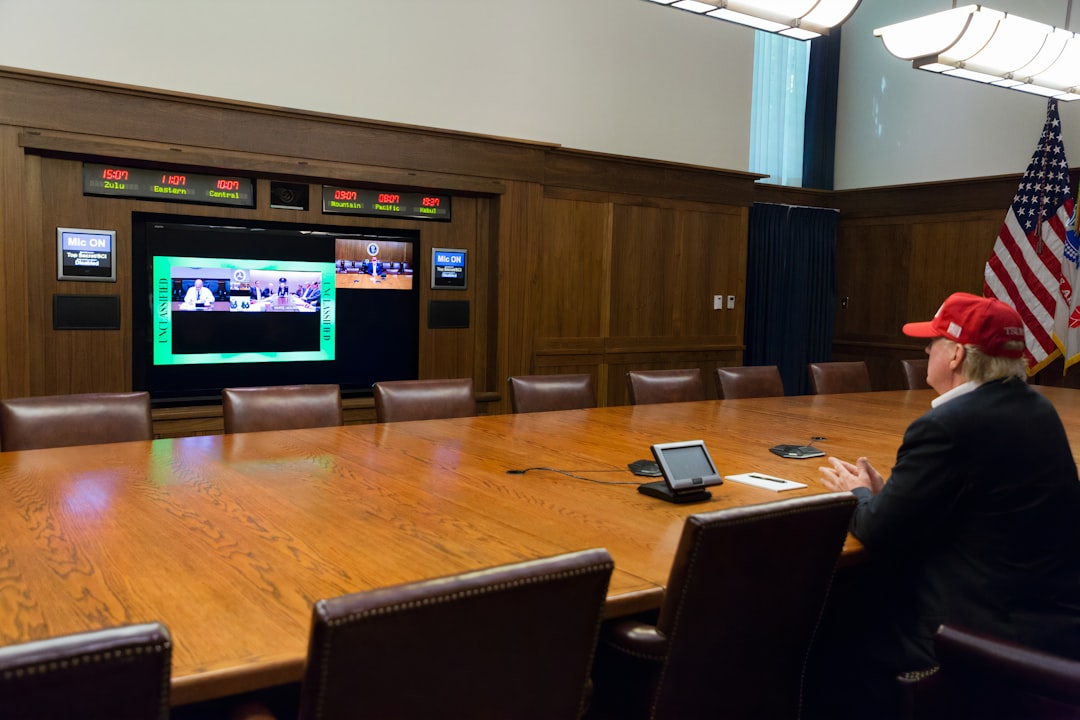
on February 28, has been largely absent from the latest American attacks, and Israeli Prime Minister Benjamin Netanyahu’s planned Washington visit next week could determine whether the current lull hardens into diplomacy or unravels into a broader war. strikes hit Iran overnight after those 13 straight nights of bombing, even as Trump met top national security aides on Friday, July 24, to debate whether to hold course or escalate again.
The most specific behind-the-scenes detail this week is the existence of a 10-day ceasefire proposal pushed by Qatar, Egypt, Pakistan and other regional mediators. official told the outlet both sides want to return to the interim ceasefire framework.
That waterway normally carries 20% of the world’s oil, which explains why rising gasoline prices and energy-market shock have become a political as well as military pressure point. The Strait of Hormuz, carrying 20% of the world’s oil, remains a central point of tension — rising gasoline prices add political pressure.
strikes on Iran after 13 consecutive nights — the pause highlights strategic uncertainty in his approach. His defenders, including White House spokeswoman Olivia Wales in Reuters, say, “President Trump is a master negotiator who always sets the right tone,” and argue Iran is showing “desperation” for a deal.
The Strait of Hormuz, a critical oil passageway, has become a flashpoint, with rising gasoline prices exerting both military and political pressure. Yet, the domestic political scene complicates matters, as the war’s unpopularity risks Republican fortunes in Congress.
Trump’s own language has become one of the most newsworthy parts of the story because it highlights the gap between public bravado and strategic uncertainty. On Friday he said, “Despite what everyone says about the election, I’m not in a hurry.
The scale and speed of this development has caught many observers off guard. Each new update adds another dimension to a story that is still unfolding, and the full picture will only become clear as more verified details emerge from the people and institutions directly involved.
Analysts who have tracked this issue closely say the current moment represents a genuine turning point. The decisions made in the coming weeks are expected to set the direction for months ahead, with ripple effects likely to extend well beyond the immediate actors in the story.
For those directly affected, the practical impact is already visible. People navigating this fast-changing situation are dealing with real consequences while new information continues to reshape what is known and what remains open to interpretation.
Historical parallels offer some context, though experts caution against drawing too close a comparison. Similar situations have played out before, but the specific combination of pressures, personalities, and timing here makes this moment distinct in ways that matter for how it ultimately resolves.
The political and economic dimensions of this story are deeply intertwined. What appears as a single event on the surface is in practice the convergence of multiple pressures that have been building quietly over a longer period than most public reporting has captured.