


Quick Summary: Stellantis Reports Q2 Profit Surge as North American Demand Climbs
- Stellantis reported a profit rebound driven by a 38% increase in North American shipments in Q2.
- Despite the profit, Stellantis shares fell 5% as investors remain cautious about long-term stability.
- North American demand for Jeep and Ram models was a key driver of the company’s recent success.
- The company faced €2 billion in charges from scaling back electric vehicle plans earlier in the year.
- Investors are concerned about potential impacts from tariffs and demand fluctuations on future results.
Source: Open external resource
Source: Read original article
Stellantis, the automotive powerhouse behind Jeep and Ram, recently reported a promising profit swing thanks to surging demand in North America. Yet, despite this financial turnaround, the market’s response was less than enthusiastic, with shares dipping 5%. What gives?
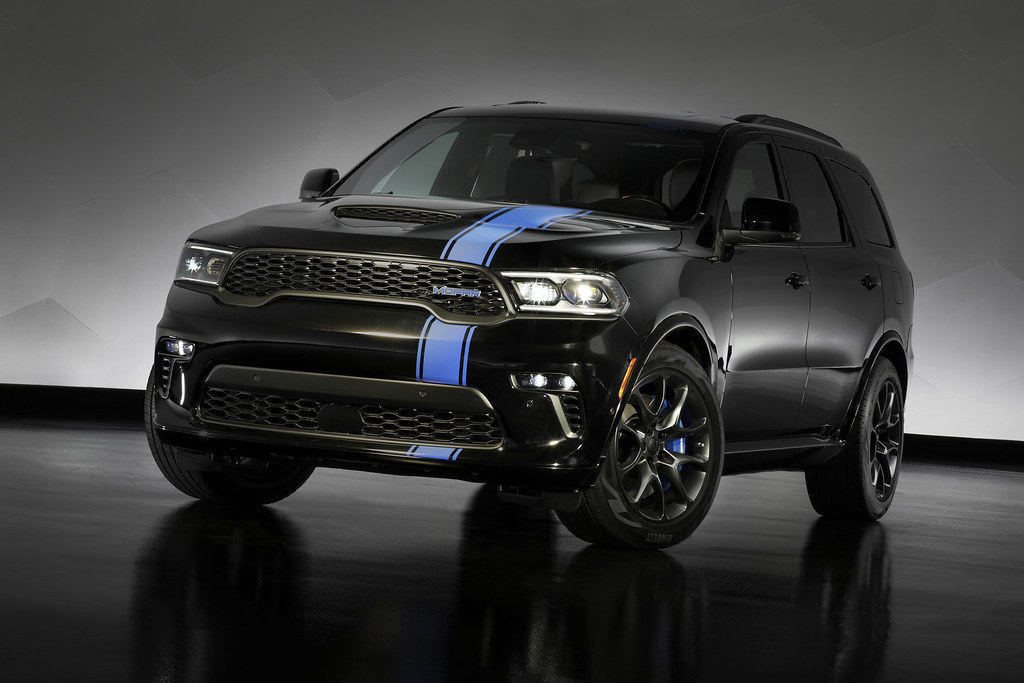
The heart of Stellantis’s recent success lies in a 38% spike in North American shipments during the second quarter. This surge, fueled by popular models like the Jeep Cherokee and Dodge Charger SIXPACK, has provided the company with a much-needed boost. However, investors remain wary, questioning whether this growth is sustainable or merely a temporary blip.
Earlier this year, Stellantis faced a significant setback with €2 billion in charges due to a strategic pullback on electric vehicle development. This move highlighted the financial pressures the company is under, even as it attempts to capitalize on its current momentum. The tension between short-term gains and long-term strategy is palpable.
As the automotive landscape continues to shift, Stellantis finds itself at a critical juncture. The company’s ability to navigate potential tariffs, demand fluctuations, and geopolitical instability will be crucial in maintaining its upward trajectory. The coming months will reveal whether Stellantis can convert its recent wins into lasting success.
Stellantis has snapped back to profit on stronger North American demand, but the market’s immediate verdict was brutal: shares fell about 5% even as the Jeep and Ram maker reported a second-quarter turnaround that had been telegraphed by surging regional shipments and a rebound from its weak 2025 base. Stellantis said two weeks ago that second-quarter shipment growth was “driven primarily by North America and Enlarged Europe,” and one version of the company’s regional release specified that North America posted a 38% increase in consolidated shipments in Q2.
By contrast, management said on April 30 that Stellantis had started 2026 “on a firm footing,” confirmed its 2026 guidance, and pointed to “encouraging early signs of progress” as it worked through manufacturing, quality, and execution problems. 1 billion of revenue, after North American performance improved enough for the region to post 379,000 shipments versus 325,000 a year earlier.
2 billion in charges tied to scaling back electric-vehicle development plans, a jarring reset that underscored strategic and balance-sheet pressure. 6 million vehicles, with North America the main driver.
” In its Q2 shipment statement, it said growth was “driven primarily by North America and Enlarged Europe,” while cautioning that actual results could still be hit by tariffs, weaker demand, and other external shocks. What happens next is straightforward but consequential: investors will parse the full Q2 earnings release and management call for margin quality, North American pricing, tariff exposure, and whether the recovery in Jeep and Ram demand is strong enough to justify keeping 2026 guidance intact.
The company itself has warned that results remain vulnerable to “changes in demand for automotive products,” “global and regional tariffs targeted to the automotive industry,” supply disruptions, litigation, and geopolitical instability. On July 15, it formally told investors it would release second-quarter financial results on Thursday, July 30.
The company faced €2 billion in charges from scaling back electric vehicle plans earlier in the year. Yet, despite this financial turnaround, the market’s response was less than enthusiastic, with shares dipping 5%.
The heart of Stellantis’s recent success lies in a 38% spike in North American shipments during the second quarter. Earlier this year, Stellantis faced a significant setback with €2 billion in charges due to a strategic pullback on electric vehicle development.
1 billion of revenue, after North American performance improved enough for the region to post 379,000 shipments versus 325,000 a year earlier. 2 billion in charges tied to scaling back electric-vehicle development plans, a jarring reset that underscored strategic and balance-sheet pressure.
The scale and speed of this development has caught many observers off guard. Each new update adds another dimension to a story that is still unfolding, and the full picture will only become clear as more verified details emerge from the people and institutions directly involved.
Analysts who have tracked this issue closely say the current moment represents a genuine turning point. The decisions made in the coming weeks are expected to set the direction for months ahead, with ripple effects likely to extend well beyond the immediate actors in the story.
For those directly affected, the practical impact is already visible. People navigating this fast-changing situation are dealing with real consequences while new information continues to reshape what is known and what remains open to interpretation.
Historical parallels offer some context, though experts caution against drawing too close a comparison. Similar situations have played out before, but the specific combination of pressures, personalities, and timing here makes this moment distinct in ways that matter for how it ultimately resolves.
The political and economic dimensions of this story are deeply intertwined. What appears as a single event on the surface is in practice the convergence of multiple pressures that have been building quietly over a longer period than most public reporting has captured.