


Quick Summary: Concerns Rise as Trumps Nuclear Pact With Saudi Arabia Lacks Transparency
- President Trump added a last-minute condition to the US-Saudi nuclear deal, tying it to Saudi-Israel normalization — this move has sparked concern over the deal’s transparency and safeguards.
- Critics warn that the agreement lacks the “gold standard” restrictions necessary to prevent Saudi Arabia from enriching uranium — a key proliferation risk.
- The agreement’s secrecy has alarmed Israeli officials, who fear it could trigger a regional arms race — the lack of public text adds to the controversy.
- Trump’s public statements on the deal appear tougher than the actual terms — raising questions about the true nature of the agreement.
- The political fallout has been swift, with pressure mounting on Congress to scrutinize the deal’s nonproliferation terms — the future of the pact hinges on disclosure and oversight.
Source: Open external resource
Source: Read original article
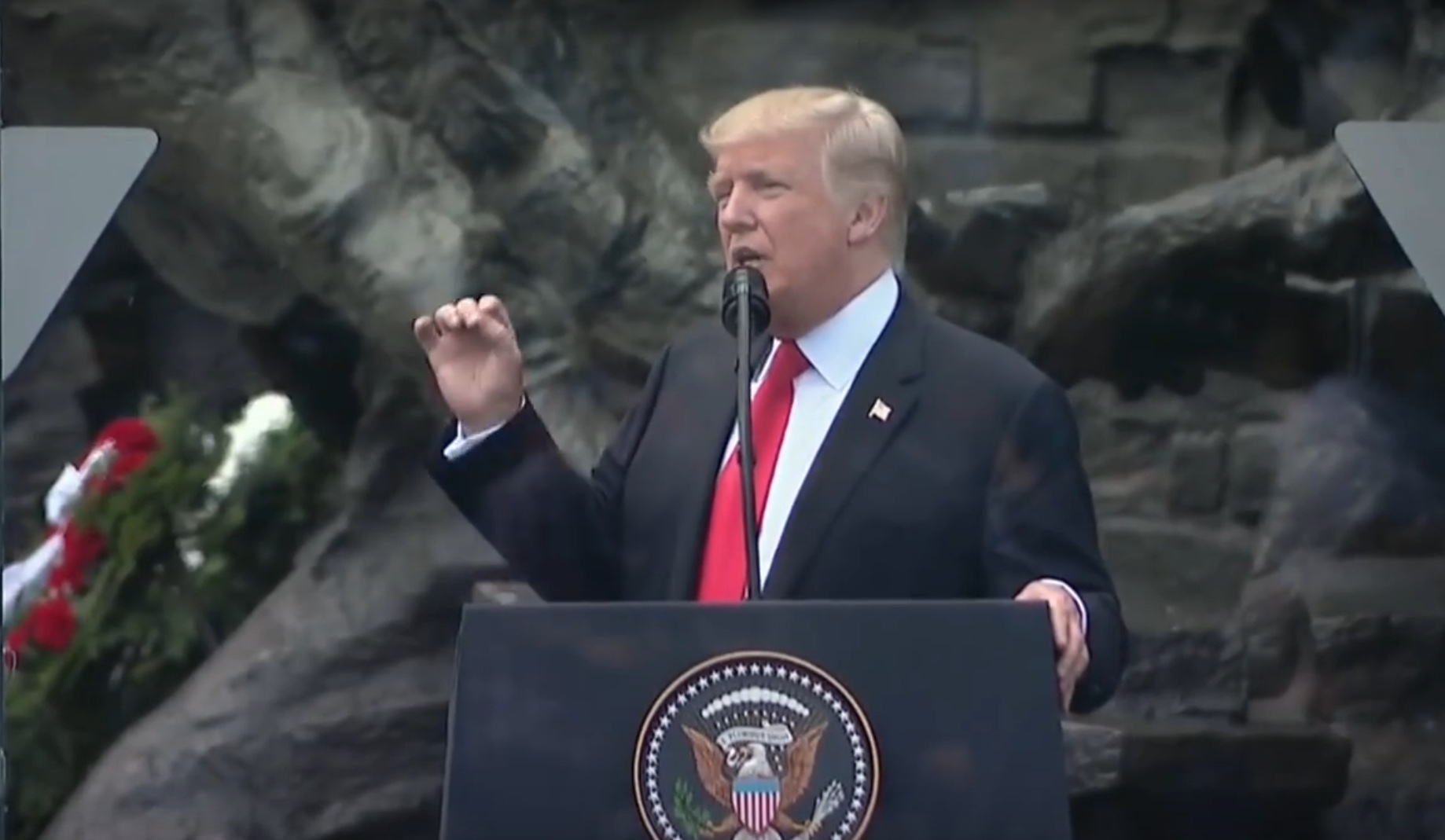
In a bold move, President Trump has tied the US-Saudi nuclear agreement to a normalization of relations between Saudi Arabia and Israel. This unexpected condition has thrown the deal into a whirlwind of controversy, with critics questioning the robustness of its safeguards.
At the heart of the matter is whether the deal allows Saudi Arabia to enrich uranium, a significant proliferation risk. Critics argue that without stringent restrictions, the agreement could pave the way for a regional arms race, especially if Saudi Arabia seeks to match Iran’s nuclear capabilities.
The lack of transparency has only fueled these concerns. The undisclosed text of the agreement has left many, including Israeli officials, uneasy about the potential implications for regional security. Trump’s public assurances seem at odds with the underlying terms, suggesting a more permissive stance than initially implied.
As the political backlash intensifies, the focus now shifts to Congress and international oversight bodies. The future of this deal may well depend on whether the involved parties can provide the necessary transparency and assurances to quell the growing skepticism.
In this complex geopolitical landscape, the stakes are high. The decisions made in the coming weeks will likely reverberate far beyond the immediate actors, shaping the region’s nuclear future and global diplomatic relations.
and Saudi Arabia signed the cooperation and safeguards arrangements on Wednesday; Trump upended the rollout on Thursday with his Truth Social declaration tying the deal to the Abraham Accords; and the political backlash accelerated immediately in Washington and Israel as reporters pressed the administration on whether the agreement really bans enrichment. -Saudi nuclear story is that President Donald Trump publicly added a last-minute condition after the agreement was signed, declaring that the pact will go forward only if Saudi Arabia normalizes relations with Israel, even as the text of the deal itself remains undisclosed and critics warn its safeguards may still be too weak.
The Associated Press reported that the White House and Saudi Arabia have not made public the text of the “123 agreement” or the separate “bilateral safeguards agreement” signed on Wednesday, making the secrecy itself part of the dispute. Trump is trying to sell the deal as both a commercial and diplomatic win, Energy Secretary Chris Wright formally signed it with Saudi Energy Minister Prince Abdulaziz bin Salman, and Saudi state media confirmed the cooperation agreement in peaceful nuclear energy was concluded last week.
At the same time, Israeli Prime Minister Benjamin Netanyahu has framed the regional moment after the Iran war as an opening for wider peace, while Saudi-linked reporting pushed back on the idea that a Trump social media post can rewrite a signed understanding. What happens next is likely to center on disclosure and oversight: lawmakers and outside experts will press for the actual text, Congress will face renewed pressure to scrutinize any 123 framework and its nonproliferation terms, and the political viability of the pact may now depend as much on the unresolved Saudi-Israel normalization question as on the nuclear provisions themselves.
officials said the agreement leaves open the possibility that Saudi Arabia could enrich uranium domestically in the future. That clash matters because enrichment is the central proliferation risk in any nuclear pact, and it is exactly why nonproliferation experts and Israeli officials have reacted so strongly.
The Council on Foreign Relations said the pact has already “set off tremors” because Israeli officials fear a Saudi enrichment program could trigger a regional cascade, with other states seeking similar capabilities and a potential route to nuclear weapons. The Atlantic, summarizing the opposition, said critics fear Trump may have given Mohammed bin Salman “the tools he needs to build a bomb” if enrichment is ultimately permitted, and it highlighted earlier Saudi warnings that the kingdom would match Iran if Tehran got a nuclear weapon.
Critics warn that the agreement lacks the “gold standard” restrictions necessary to prevent Saudi Arabia from enriching uranium — a key proliferation risk. The agreement’s secrecy has alarmed Israeli officials, who fear it could trigger a regional arms race — the lack of public text adds to the controversy.
The political fallout has been swift, with pressure mounting on Congress to scrutinize the deal’s nonproliferation terms — the future of the pact hinges on disclosure and oversight. As the political backlash intensifies, the focus now shifts to Congress and international oversight bodies.
In a bold move, President Trump has tied the US-Saudi nuclear agreement to a normalization of relations between Saudi Arabia and Israel. The Atlantic, summarizing the opposition, said critics fear Trump may have given Mohammed bin Salman “the tools he needs to build a bomb” if enrichment is ultimately permitted, and it highlighted earlier Saudi warnings that the kingdom would match Iran if Tehran got a nuclear weapon.
Trump’s public statements on the deal appear tougher than the actual terms — raising questions about the true nature of the agreement. Critics argue that without stringent restrictions, the agreement could pave the way for a regional arms race, especially if Saudi Arabia seeks to match Iran’s nuclear capabilities.
The scale and speed of this development has caught many observers off guard. Each new update adds another dimension to a story that is still unfolding, and the full picture will only become clear as more verified details emerge from the people and institutions directly involved.
Analysts who have tracked this issue closely say the current moment represents a genuine turning point. The decisions made in the coming weeks are expected to set the direction for months ahead, with ripple effects likely to extend well beyond the immediate actors in the story.
For those directly affected, the practical impact is already visible. People navigating this fast-changing situation are dealing with real consequences while new information continues to reshape what is known and what remains open to interpretation.
Historical parallels offer some context, though experts caution against drawing too close a comparison. Similar situations have played out before, but the specific combination of pressures, personalities, and timing here makes this moment distinct in ways that matter for how it ultimately resolves.
The political and economic dimensions of this story are deeply intertwined. What appears as a single event on the surface is in practice the convergence of multiple pressures that have been building quietly over a longer period than most public reporting has captured.