

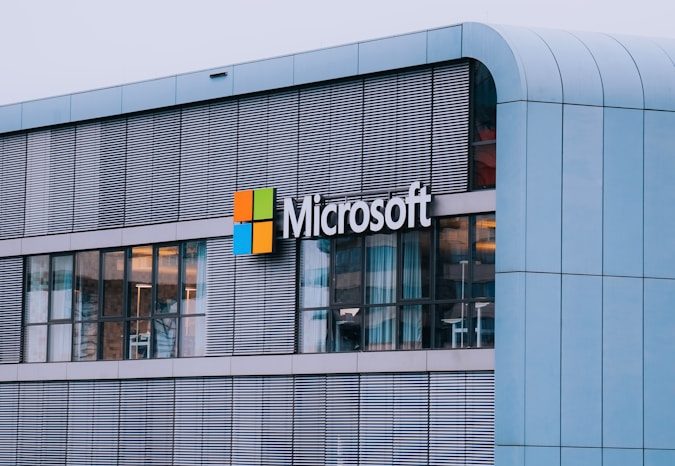

Quick Summary: Microsoft Stock Soars 15.5% as Earnings Exceed Expectations
- Microsoft’s stock surged 15.5% on July 30, marking its best day since 2008, driven by stronger-than-expected profits.
- The tech giant’s earnings report shifted market sentiment, leading to a broad U.S. stock rebound after a challenging period for tech shares.
- While Microsoft’s performance reignited confidence in AI investments, bond markets remain concerned about ongoing inflation risks.
- Long-term Treasury yields stayed elevated, reflecting persistent unease about inflation and potential Federal Reserve rate hikes.
- Investors are now closely watching for further earnings reports from other tech giants to see if they can match Microsoft’s success.
Source: Open external resource
Source: Read original article
Microsoft’s explosive stock performance on July 30 has become the talk of Wall Street, as the tech titan’s 15.5% surge marked its best trading day since the financial crisis of 2008. This remarkable leap was fueled by an earnings report that not only exceeded analysts’ expectations but also demonstrated that Microsoft’s hefty investments in artificial intelligence are yielding tangible results.
The broader impact of Microsoft’s success was immediate, catalyzing a robust rebound in U.S. stocks. After a period marked by skepticism over AI spending and inflation fears, Microsoft’s results provided a much-needed confidence boost to the market. The S&P 500 and other indexes responded with notable gains, signaling renewed investor enthusiasm.
However, the underlying tension in the financial markets persists. Despite the stock rally, bond investors remain wary, with long-term Treasury yields holding steady at elevated levels. This reflects ongoing concerns about inflation and the potential for further interest rate hikes by the Federal Reserve. As Standard Chartered strategist John Davies noted, uncertainty around policy rates and balance sheets continues to weigh on the bond market.
Looking ahead, the financial community is keenly observing upcoming earnings reports from other tech giants like Meta and Amazon. The question on everyone’s mind is whether these companies can replicate Microsoft’s impressive performance and further bolster market confidence. Meanwhile, the interplay between inflation data, Fed policies, and corporate earnings will determine the trajectory of both stock and bond markets in the coming weeks.
6%, for the year, according to AP’s market summary. Just days earlier, Reuters reported that the Nasdaq had sunk more than 2% as worries flared over heavy AI spending and oil above $100 a barrel added to inflation fears, underscoring how quickly sentiment flipped once Microsoft’s report landed.
5%, its best day since 2008, after reporting stronger profit than analysts expected and offering evidence that its enormous AI spending is producing real returns. Reuters also captured the market’s anxiety earlier this week when traders were pricing roughly a 34% chance of a Fed rate increase, a remarkable level of uncertainty for a market that had been expecting stability.
5% surge on Thursday, July 30, turned a shaky week on Wall Street into a powerful rebound, but the real tension in the latest reporting is that investors are still betting against any easy inflation victory as Treasury yields remain elevated and the bond market keeps signaling unease. On July 28, AP said investors were already pulling back from chip stocks and waiting on results from Microsoft, Meta, and Amazon.
On July 29, AP reported that oil was jumping again, technology stocks were dragging Wall Street lower, and inflation fears were back in force. The most important people and institutions in the story are Microsoft, the Federal Reserve under Chair Kevin Warsh, and President Donald Trump, who AP noted has pushed for lower interest rates even though cuts could worsen inflation pressure.
What happens next is now a high-stakes tug-of-war between incoming inflation data, the Fed’s next signals, and whether other tech giants can match Microsoft’s performance. ” The move was strong enough that it became the defining market story of July 30, eclipsing other corporate headlines and reigniting confidence in beaten-down AI names.
5% on July 30, marking its best day since 2008, driven by stronger-than-expected profits. 5% surge marked its best trading day since the financial crisis of 2008.
On July 29, AP reported that oil was jumping again, technology stocks were dragging Wall Street lower, and inflation fears were back in force. Long-term Treasury yields stayed elevated, reflecting persistent unease about inflation and potential Federal Reserve rate hikes.
The scale and speed of this development has caught many observers off guard. Each new update adds another dimension to a story that is still unfolding, and the full picture will only become clear as more verified details emerge from the people and institutions directly involved.
Analysts who have tracked this issue closely say the current moment represents a genuine turning point. The decisions made in the coming weeks are expected to set the direction for months ahead, with ripple effects likely to extend well beyond the immediate actors in the story.
For those directly affected, the practical impact is already visible. People navigating this fast-changing situation are dealing with real consequences while new information continues to reshape what is known and what remains open to interpretation.
Historical parallels offer some context, though experts caution against drawing too close a comparison. Similar situations have played out before, but the specific combination of pressures, personalities, and timing here makes this moment distinct in ways that matter for how it ultimately resolves.
The political and economic dimensions of this story are deeply intertwined. What appears as a single event on the surface is in practice the convergence of multiple pressures that have been building quietly over a longer period than most public reporting has captured.