

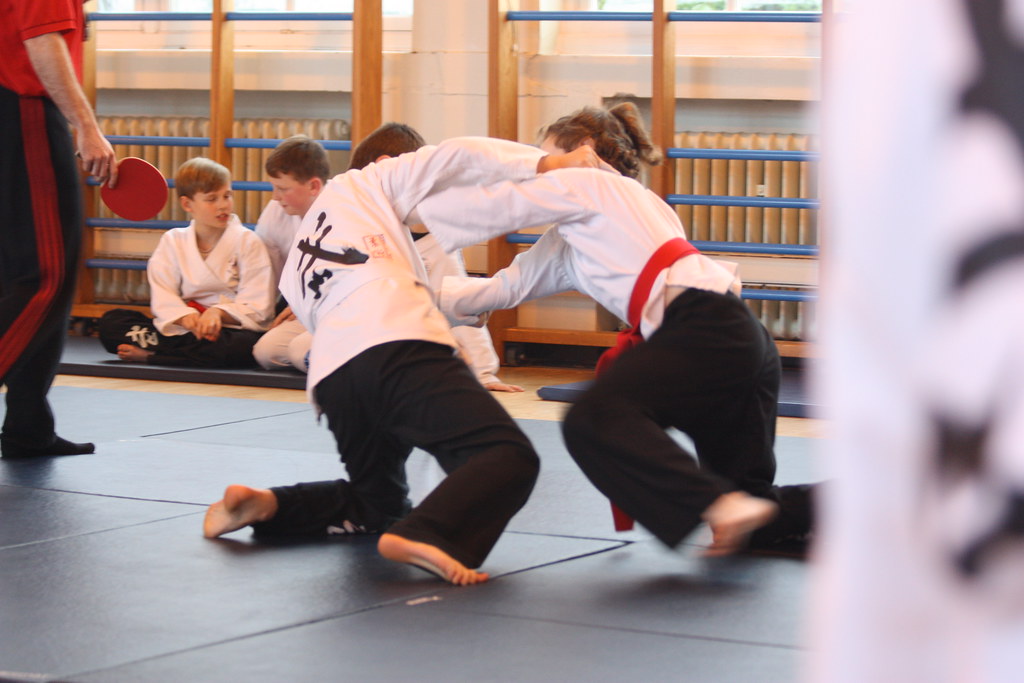

Quick Summary: UAE Strengthens Global Sports Status With Ju-Jitsu
- The UAE national team has intensified preparations for the Ju-Jitsu World Championship, highlighting their commitment to the sport.
- The Ju-Jitsu World Championship in Abu Dhabi is set from August 1 to August 9, marking a major test of the UAE’s status as a global sports hub.
- Mubadala Arena in Zayed Sports City will host the championship, emphasizing Abu Dhabi’s role as a central venue for international sports events.
- The UAE’s 2026 season includes over 30 local and international championships, showcasing its investment in combat sports infrastructure.
- The event is part of a broader strategy to position Abu Dhabi as a regular host for world-class jiu-jitsu and combat sports events.
Source: Open external resource
Source: Read original article
Abu Dhabi is not just hosting another sports event; it is setting the stage for a new era in jiu-jitsu. The Ju-Jitsu World Championship, scheduled from August 1 to 9 at Mubadala Arena, is more than a competition—it’s a statement. The UAE national team is gearing up to showcase their prowess, and the country is poised to prove its mettle as a global hub for the sport.
The championship is a pivotal moment for the UAE, as it transitions from mere promotion to execution. With over 30 local and international events on the 2026 calendar, Abu Dhabi is heavily investing in its combat sports infrastructure. This August event is not an isolated occurrence; it’s part of a larger, strategic push to solidify the UAE’s influence in the world of jiu-jitsu.
At the heart of this initiative are key figures like federation president Abdulmunem Al Hashmi and the UAE Jiu-Jitsu and Mixed Martial Arts Federation. Their coordinated efforts aim to demonstrate that Abu Dhabi can seamlessly host world-class championships, reinforcing the emirate’s reputation on the international stage.
As the Ju-Jitsu World Championship unfolds, the spotlight will shift to the IMMAF Youth World Championships from August 17 to 23, also at Mubadala Arena. This back-to-back scheduling underscores Abu Dhabi’s ambition to become the epicenter of combat sports, proving that its investments and strategic planning can yield successful, world-class events.
In the coming weeks, all eyes will be on Abu Dhabi to see if the city’s bold claims translate into a flawless execution of these high-profile events. The UAE’s leadership in sports is on the line, and the world is watching.
The federation announced only days ago that its 2026 season includes more than 30 local and international championships, underscoring how heavily Abu Dhabi is investing in combat-sports infrastructure. On July 22, local reporting said the UAE national team had stepped up preparations with the championship days away; on July 27, the federation’s 2026 season calendar was pushed again to highlight the breadth of its event portfolio; and within the same week international MMA officials were still inspecting Abu Dhabi’s organisational preparations for the later August youth worlds.
Abu Dhabi’s biggest immediate jiu-jitsu development is that the 2026 Ju-Jitsu World Championship is now just underway or imminent at Mubadala Arena, with the UAE national team intensifying final preparations for an August 1 to August 9 event that officials are framing as a major test of the country’s status as the sport’s global hub. In parallel, officials have highlighted Mubadala Arena in Zayed Sports City as the venue for the world championship, while separate federation reporting has already opened registration for another flagship event later this year, the 18th Abu Dhabi World Professional Jiu-Jitsu Championship in November, carrying a Dh3 million prize pool.
In practical terms, the conflict is over who gets to define the sport’s center of gravity: a globally rotating federation circuit or a UAE-led hosting model anchored in Abu Dhabi. The main people driving the current push are federation president Abdulmunem Al Hashmi, the UAE Jiu-Jitsu and Mixed Martial Arts Federation, and the local organising committee.
There is also a notable twist in the wider August schedule: Abu Dhabi is not only preparing for the Ju-Jitsu World Championship from August 1 to 9, but is also lined up to host the IMMAF Youth World Championships from August 17 to 23 at the same Mubadala Arena. The Ju-Jitsu World Championship is scheduled to run in Abu Dhabi through August 9, with the U14 World Cup on the opening day, so the next meaningful developments will be medal results, participation totals, and any remarks from federation or JJIF officials once competition begins in earnest.
After that, attention will swing quickly to the August 17 to 23 IMMAF Youth World Championships, making the next two to three weeks a compressed test of whether Abu Dhabi can convert its heavy investment and confident rhetoric into successful delivery across multiple world-class events. That date is the key new development because it turns what had been a forward-looking hosting announcement into a live operational event, with Abu Dhabi moving from bid-and-branding mode into delivery mode.
On July 22, local reporting said the UAE national team had stepped up preparations with the championship days away; on July 27, the federation’s 2026 season calendar was pushed again to highlight the breadth of its event portfolio; and within the same week international MMA officials were still inspecting Abu Dhabi’s organisational preparations for the later August youth worlds. The UAE’s 2026 season includes over 30 local and international championships, showcasing its investment in combat sports infrastructure.
In parallel, officials have highlighted Mubadala Arena in Zayed Sports City as the venue for the world championship, while separate federation reporting has already opened registration for another flagship event later this year, the 18th Abu Dhabi World Professional Jiu-Jitsu Championship in November, carrying a Dh3 million prize pool. In practical terms, the conflict is over who gets to define the sport’s center of gravity: a globally rotating federation circuit or a UAE-led hosting model anchored in Abu Dhabi.
The Ju-Jitsu World Championship in Abu Dhabi is set from August 1 to August 9, marking a major test of the UAE’s status as a global sports hub. The Ju-Jitsu World Championship, scheduled from August 1 to 9 at Mubadala Arena, is more than a competition—it’s a statement.
As the Ju-Jitsu World Championship unfolds, the spotlight will shift to the IMMAF Youth World Championships from August 17 to 23, also at Mubadala Arena. The Ju-Jitsu World Championship is scheduled to run in Abu Dhabi through August 9, with the U14 World Cup on the opening day, so the next meaningful developments will be medal results, participation totals, and any remarks from federation or JJIF officials once competition begins in earnest.
The scale and speed of this development has caught many observers off guard. Each new update adds another dimension to a story that is still unfolding, and the full picture will only become clear as more verified details emerge from the people and institutions directly involved.
Analysts who have tracked this issue closely say the current moment represents a genuine turning point. The decisions made in the coming weeks are expected to set the direction for months ahead, with ripple effects likely to extend well beyond the immediate actors in the story.
For those directly affected, the practical impact is already visible. People navigating this fast-changing situation are dealing with real consequences while new information continues to reshape what is known and what remains open to interpretation.
Historical parallels offer some context, though experts caution against drawing too close a comparison. Similar situations have played out before, but the specific combination of pressures, personalities, and timing here makes this moment distinct in ways that matter for how it ultimately resolves.
The political and economic dimensions of this story are deeply intertwined. What appears as a single event on the surface is in practice the convergence of multiple pressures that have been building quietly over a longer period than most public reporting has captured.