

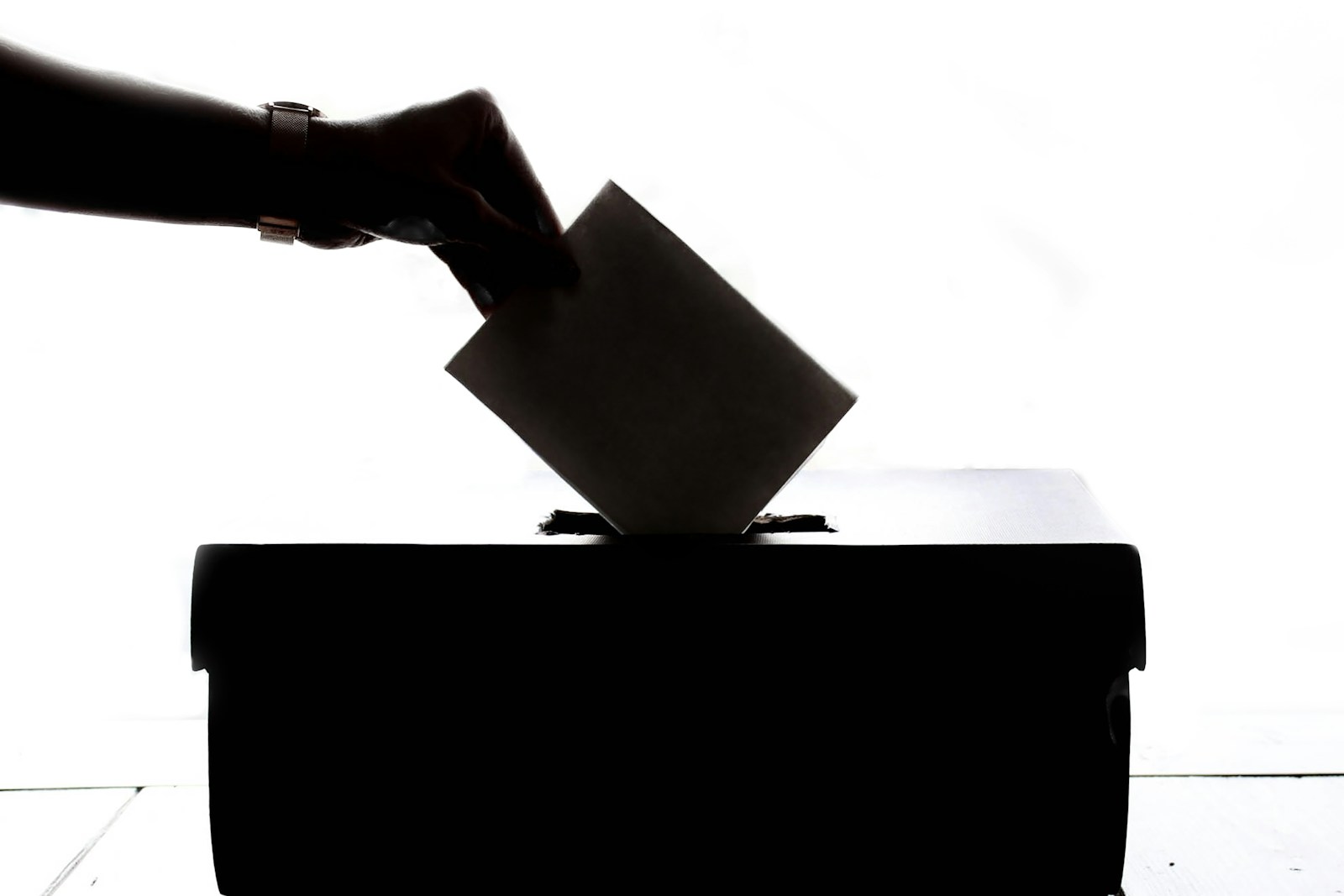

Quick Summary: Sylvia Lukes Corruption Charges Cast Shadow Over Hawaii Election
- Gov. Josh Green highlighted Hawaii’s weak primary turnout, linking it to voter alienation and a corruption scandal involving Lt. Gov. Sylvia Luke.
- Luke was indicted on July 24 on 12 counts in a public-corruption case related to Hawaii’s COVID-19 testing program.
- Green has not formally endorsed a candidate but has shown preference for Kauai Mayor Derek Kawakami in the lieutenant governor race.
- The primary election had the lowest turnout in 65 years, with only 32.1% of registered voters participating.
- Green has raised $3.5 million since his 2022 victory, maintaining a significant fundraising edge over his opponents.
Source: Open external resource
Source: Read original article
Gov. Josh Green is sounding the alarm on Hawaii’s troubling voter turnout, which he ties directly to a growing scandal involving Lt. Gov. Sylvia Luke. With just 32.1% of registered voters casting ballots, this primary marks the lowest turnout in decades, a clear sign of voter disengagement. Corruption is at the center of this development.
The political landscape in Hawaii is further complicated by the indictment of Sylvia Luke on 12 counts related to public corruption, casting a shadow over the lieutenant governor race. Green, while not formally endorsing a candidate, has expressed a preference for Kauai Mayor Derek Kawakami, emphasizing the need for leadership focused on healing and progress rather than conflict.
Luke’s indictment, the first of its kind for such a high-ranking official in Hawaii, has turned the lieutenant governor race into a referendum on ethics and governance. The scandal underscores the urgency for reform and accountability in state politics.
Despite the turmoil, Green remains politically secure, having raised $3.5 million since his last victory, significantly outpacing his Republican opponents. As Hawaii approaches its general election, the real test will be whether Green’s message of healing and reform can resonate with a disillusioned electorate.
A day before the primary, AP also noted turnout was running below the 2022 governor-primary pace, reinforcing Green’s warning that disengagement is not abstract but measurable. AP separately reported that a PAC tied to the carpenters union spent roughly $2 million to help Derek Kawakami in the lieutenant governor race, while even the top-spending Republican gubernatorial primary candidate, Daniel Anthony, had spent only about $6,900 in early July.
5 million since his 2022 victory, and that he had raised roughly 10 times more than his most likely Republican opponent, underlining how politically secure he is even as turnout slumps. ” That was not a formal endorsement, but Hawaii News Now reported that Green has been vocal about preferring Kauai Mayor Derek Kawakami over Rep.
1% of registered voters casting ballots. By July 31, 2026, the state’s own absentee reconciliation report showed 126,849 ballots voted statewide out of 734,533 sent or otherwise accounted for in the running total, including 84,912 ballots already voted in Honolulu County alone, 20,776 in Hawaii County, 13,139 in Maui County, and 8,022 in Kauai County.
Over the past seven days, the key timeline runs like this: on August 8, 2026, Hawaii held its primary election; on August 7, AP flagged turnout concerns and the looming Luke corruption scandal as defining features of the vote; and the most consequential development still hanging over the contest remains Luke’s July 24 indictment and Green’s immediate call for her to step aside. What happens next is procedural but significant: Hawaii typically posts three election-night vote updates after polls close, with the final update in the early hours of Monday, and the state’s candidate manual sets August 24, 2026, as the deadline for election objections in the primary.
Politically, the next real test is whether low turnout and the Luke case produce any aftershocks in the general-election run to November 3, 2026, or whether Green’s dominance, fundraising edge, and message of “healing and helping” are enough to contain the damage. In the most directly relevant Hawaii News Now reporting, Green said he had already cast his ballot as voting opened and used the interview to signal both concern about engagement and unease about the lieutenant governor race that has been reshaped by scandal.
A day before the primary, AP also noted turnout was running below the 2022 governor-primary pace, reinforcing Green’s warning that disengagement is not abstract but measurable. Josh Green discusses low primary voter turnout, impacts of lieutenant governor scandal – Hawaii News Now Gov.
5 million since his 2022 victory, maintaining a significant fundraising edge over his opponents. 1% of registered voters casting ballots, this primary marks the lowest turnout in decades, a clear sign of voter disengagement.
5 million since his last victory, significantly outpacing his Republican opponents. 5 million since his 2022 victory, and that he had raised roughly 10 times more than his most likely Republican opponent, underlining how politically secure he is even as turnout slumps.
” That was not a formal endorsement, but Hawaii News Now reported that Green has been vocal about preferring Kauai Mayor Derek Kawakami over Rep. 1% of registered voters casting ballots.
By July 31, 2026, the state’s own absentee reconciliation report showed 126,849 ballots voted statewide out of 734,533 sent or otherwise accounted for in the running total, including 84,912 ballots already voted in Honolulu County alone, 20,776 in Hawaii County, 13,139 in Maui County, and 8,022 in Kauai County. Over the past seven days, the key timeline runs like this: on August 8, 2026, Hawaii held its primary election; on August 7, AP flagged turnout concerns and the looming Luke corruption scandal as defining features of the vote; and the most consequential development still hanging over the contest remains Luke’s July 24 indictment and Green’s immediate call for her to step aside.
The scale and speed of this development has caught many observers off guard. Each new update adds another dimension to a story that is still unfolding, and the full picture will only become clear as more verified details emerge from the people and institutions directly involved.
Analysts who have tracked this issue closely say the current moment represents a genuine turning point. The decisions made in the coming weeks are expected to set the direction for months ahead, with ripple effects likely to extend well beyond the immediate actors in the story.
For those directly affected, the practical impact is already visible. People navigating this fast-changing situation are dealing with real consequences while new information continues to reshape what is known and what remains open to interpretation.
Historical parallels offer some context, though experts caution against drawing too close a comparison. Similar situations have played out before, but the specific combination of pressures, personalities, and timing here makes this moment distinct in ways that matter for how it ultimately resolves.
The political and economic dimensions of this story are deeply intertwined. What appears as a single event on the surface is in practice the convergence of multiple pressures that have been building quietly over a longer period than most public reporting has captured.