

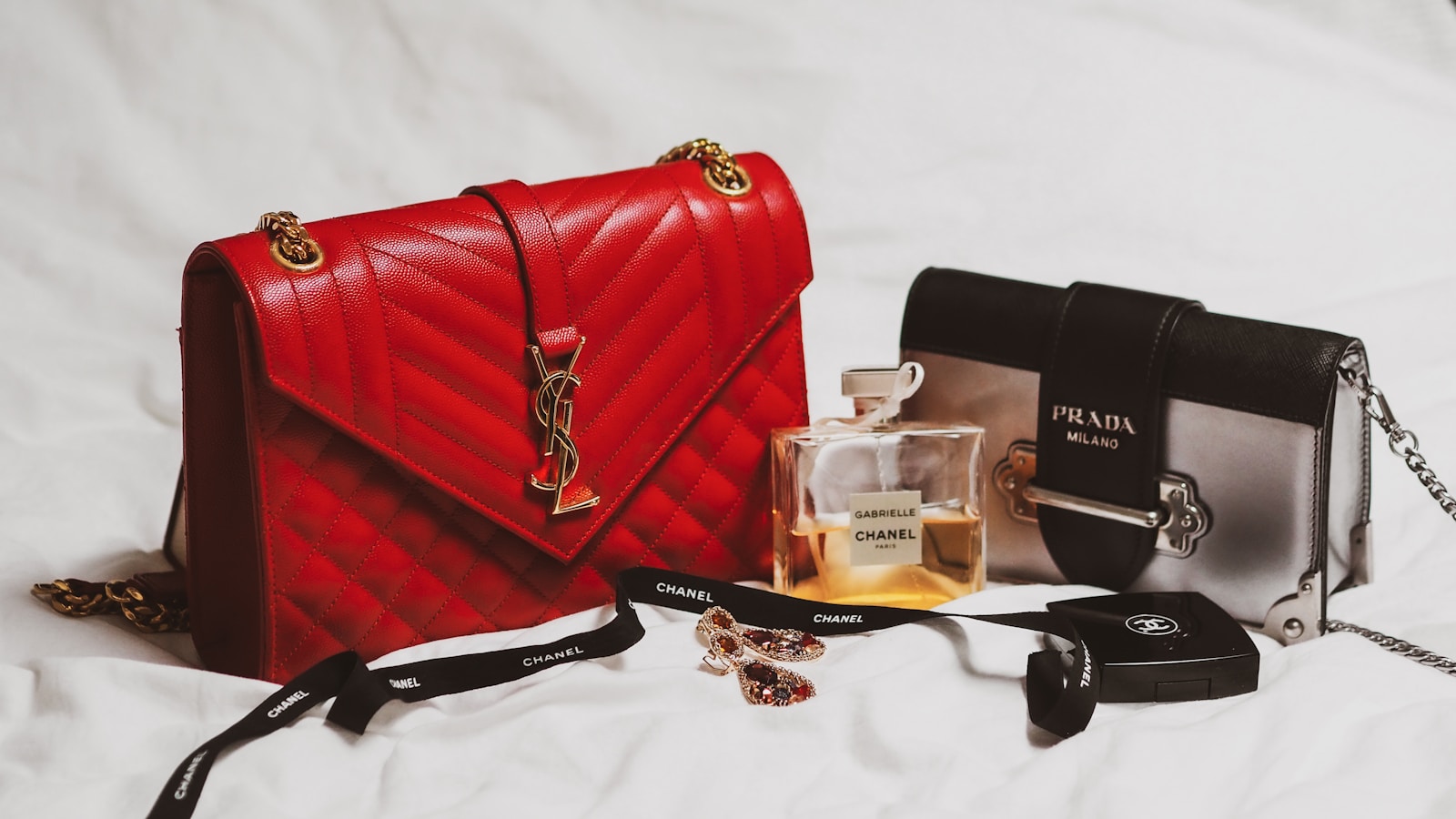

Quick Summary: Chinas Beauty Market Surges, Outpacing Luxury Bags Amid Consumer Shift
- Louis Vuitton’s flagship in China leads in sales, with 60% revenue from new clients, indicating a shift in consumer behavior.
- Bain’s report predicts the personal luxury goods market could grow by 2% to 4% in 2026, reaching up to €373 billion.
- China’s luxury market shrank 3% to 5% in 2025, but beauty grew 4% to 7%, becoming the strongest category.
- McKinsey highlights a shift from status to emotional connection in luxury consumption in China and the U.S.
- Online luxury sales in China rose 25% to 35% in early 2026, with a preference for ready-to-wear over leather goods.
Source: Open external resource
Source: Read original article
Prestige beauty is redefining the luxury landscape in China, leaving high-end bags trailing in its wake. As shoppers become more selective, the allure of cosmetics and skincare is proving irresistible, offering a luxurious experience without the hefty price tag of designer handbags.
Recent data from Bain & Company reveals a notable shift: while China’s personal luxury market contracted by up to 5% in 2025, the beauty sector surged by up to 7%. This trend underscores a broader change in consumer priorities, with beauty emerging as the strongest category amid a backdrop of economic recalibration.
The shift isn’t just about numbers. McKinsey’s insights suggest a deeper transformation, with emotional connection overtaking status as a key driver of luxury purchases. This evolution reflects a move away from logo-centric consumption towards products that resonate on a personal level.
As online luxury sales in China soared by up to 35% in early 2026, the preference for ready-to-wear fashion over traditional leather goods became apparent. This pivot signals a broader industry challenge: adapting to a consumer base increasingly interested in value and relevance over mere prestige.
Looking ahead, the luxury market faces a test. Will the growth in beauty and select niches herald a wider recovery, or does it mark a permanent departure from the old model centered on high-end bags? As Bain forecasts modest growth for 2026, the answer remains to be seen.
Louis Vuitton’s giant “The Louis” store in China was reported to outperform other Louis Vuitton flagships by daily sales, with 60% of revenue coming from new clients, according to CBRE’s Zino Helmlinger. Bain’s June global outlook said the personal luxury goods market could grow 2% to 4% in 2026, reaching €365 billion to €373 billion, with a 70% probability attached to that base case.
The core new data point comes from Bain & Company’s latest China luxury report, published January 29, 2026 and carried by Reuters: China’s mainland personal luxury market shrank 3% to 5% in 2025 after plunging 17% to 19% in 2024, but beauty rebounded to growth of 4% to 7%, making it the strongest category. McKinsey, in a report published June 29, 2026, said that in both China and the United States, “emotional connection is overtaking status as a driver of desire,” a major shift away from logo-led status consumption and toward products that feel personal, useful, or identity-driven.
In China specifically, online luxury sales jumped 25% to 35% in the first quarter of 2026 versus a year earlier, yet shoppers were “gravitating toward ready-to-wear at twice the rate of leather goods,” according to the June 29 Reuters-backed coverage. Bain’s January forecast called for “modest” growth in China’s personal luxury market in 2026, supported by a growing middle class, improving confidence, and policies aimed at boosting domestic consumption, but it warned the rebound would be fragile and uneven.
Fashion fell 5% to 8%, while leather goods, the category most closely tied to high-end handbags, dropped 8% to 11%, hurt in part by price hikes. Watches were even weaker, slumping 14% to 17%, as consumers shifted money into investments or secondhand buying.
One striking detail from Reuters’ October 27, 2025 reporting, which still frames the industry’s current strategy, is how aggressively brands have pivoted toward spectacle and experience to revive spending. What happens next is a test of whether 2026’s expected recovery broadens beyond beauty and a handful of resilient niches.
Bain’s June global outlook said the personal luxury goods market could grow 2% to 4% in 2026, reaching €365 billion to €373 billion, with a 70% probability attached to that base case. The core new data point comes from Bain & Company’s latest China luxury report, published January 29, 2026 and carried by Reuters: China’s mainland personal luxury market shrank 3% to 5% in 2025 after plunging 17% to 19% in 2024, but beauty rebounded to growth of 4% to 7%, making it the strongest category.
McKinsey, in a report published June 29, 2026, said that in both China and the United States, “emotional connection is overtaking status as a driver of desire,” a major shift away from logo-led status consumption and toward products that feel personal, useful, or identity-driven. In China specifically, online luxury sales jumped 25% to 35% in the first quarter of 2026 versus a year earlier, yet shoppers were “gravitating toward ready-to-wear at twice the rate of leather goods,” according to the June 29 Reuters-backed coverage.
Bain’s January forecast called for “modest” growth in China’s personal luxury market in 2026, supported by a growing middle class, improving confidence, and policies aimed at boosting domestic consumption, but it warned the rebound would be fragile and uneven. Bain’s report predicts the personal luxury goods market could grow by 2% to 4% in 2026, reaching up to €373 billion.
China’s luxury market shrank 3% to 5% in 2025, but beauty grew 4% to 7%, becoming the strongest category. Online luxury sales in China rose 25% to 35% in early 2026, with a preference for ready-to-wear over leather goods.
The scale and speed of this development has caught many observers off guard. Each new update adds another dimension to a story that is still unfolding, and the full picture will only become clear as more verified details emerge from the people and institutions directly involved.
Analysts who have tracked this issue closely say the current moment represents a genuine turning point. The decisions made in the coming weeks are expected to set the direction for months ahead, with ripple effects likely to extend well beyond the immediate actors in the story.
For those directly affected, the practical impact is already visible. People navigating this fast-changing situation are dealing with real consequences while new information continues to reshape what is known and what remains open to interpretation.
Historical parallels offer some context, though experts caution against drawing too close a comparison. Similar situations have played out before, but the specific combination of pressures, personalities, and timing here makes this moment distinct in ways that matter for how it ultimately resolves.
The political and economic dimensions of this story are deeply intertwined. What appears as a single event on the surface is in practice the convergence of multiple pressures that have been building quietly over a longer period than most public reporting has captured.