


Quick Summary: Governor Adeleke Reports Fatalities as Osun Election Violence Escalates
- The APC distanced itself from an Osun senator’s remark to ‘kill Accord members,’ escalating tensions in the election season.
- Osun’s governorship election is set for August 15, 2026, with security agencies racing to manage the fallout.
- Both APC and Accord missed a police-organized peace meeting on June 25, raising concerns over rising violence.
- Governor Ademola Adeleke, running under Accord, reported eight deaths and over 20 injuries among party members.
- APC and Accord are embroiled in mutual accusations, complicating efforts for a peaceful election process.
Source: Open external resource
Source: Read original article
In a dramatic turn of events, the APC is scrambling to distance itself from a controversial remark attributed to an Osun senator that urged supporters to ‘kill Accord members.’ This incendiary comment has ignited a firestorm in an already volatile election season marred by violence and mutual recriminations.
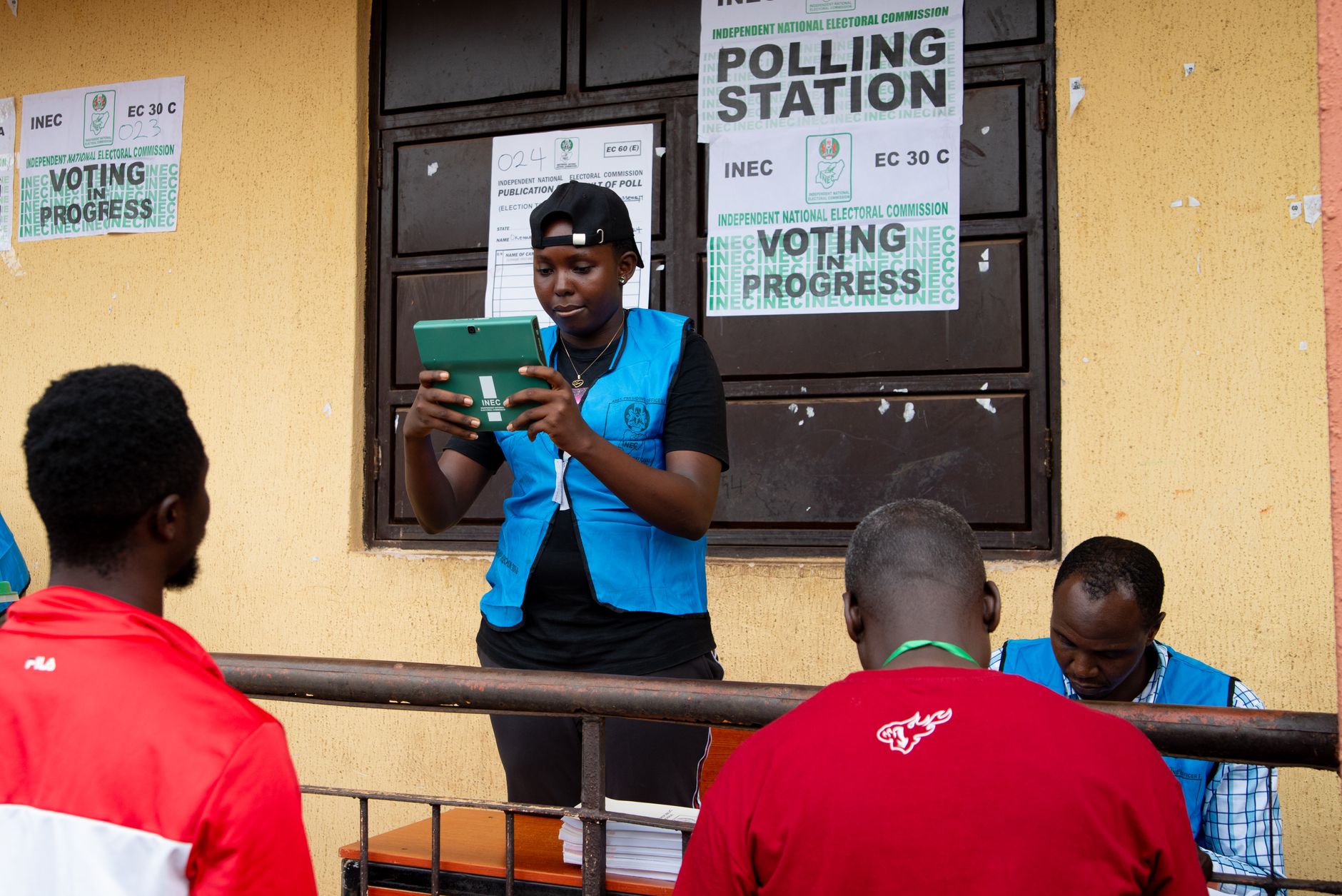
The August 15, 2026, Osun governorship election looms large, with security agencies, party leaders, and election stakeholders under immense pressure to contain the fallout. The stakes are high, as the state grapples with a history of deadly confrontations between APC and Accord supporters.
Governor Ademola Adeleke, now campaigning under Accord, has painted a grim picture, citing eight deaths and over 20 injuries among his party members. Meanwhile, the APC remains on the defensive, rejecting any link to the violence while claiming victimhood in the ongoing conflict.
The absence of both parties from a crucial police-organized peace meeting on June 25 underscores the challenges of ensuring a peaceful election. The question now is whether the APC will issue a more robust repudiation of the senator’s alleged comment and if authorities will launch a formal investigation.
As the election date nears, the focus remains on whether a credible peace process can be enforced to prevent further bloodshed. The political landscape is fraught with danger, and every word and action carries potentially grave consequences.
The most important development in the latest reporting is that the alleged comment is no longer just an opposition talking point but part of a much wider escalation narrative around the August 15, 2026 Osun governorship election. ” The police, for their part, have publicly warned both APC and Accord against inflammatory statements capable of undermining public confidence.
What happens next is immediate and consequential: Osun’s governorship election is scheduled for August 15, 2026, leaving only days for security agencies, party leaders and election stakeholders to contain the fallout. On June 25, both APC and Accord were absent from a police-organized peace meeting in Osogbo.
On July 17, Politics Nigeria reported that 12 governorship candidates signed a peace and accountability pact, but APC was absent again. The main players are Governor Ademola Adeleke, now running under Accord; APC governorship candidate Bola Oyebamiji; APC campaign figures including Wole Oke and Gboyega Oyetola, who have been named in rival accusations; Osun police commissioner Ibrahim Gotan; and national security actors now being pressed to intervene.
” That attack came only days after a police-backed peace effort both APC and Accord failed to attend, deepening fears that inflammatory rhetoric is feeding real street violence. ” On the other side, APC figures have rejected attempts to tie the party to killings and have argued that they too are victims.
Politics Nigeria’s recent coverage shows the state is already on edge after multiple violent incidents involving both APC and Accord supporters, including the June 27 shooting of APC member Taofeek Mustapha in Osogbo. ” Earlier, his camp had publicly claimed that five Accord members were killed and 15 critically injured since campaigns began.
Osun’s governorship election is set for August 15, 2026, with security agencies racing to manage the fallout. The August 15, 2026, Osun governorship election looms large, with security agencies, party leaders, and election stakeholders under immense pressure to contain the fallout.
” The police, for their part, have publicly warned both APC and Accord against inflammatory statements capable of undermining public confidence. What happens next is immediate and consequential: Osun’s governorship election is scheduled for August 15, 2026, leaving only days for security agencies, party leaders and election stakeholders to contain the fallout.
Both APC and Accord missed a police-organized peace meeting on June 25, raising concerns over rising violence. The absence of both parties from a crucial police-organized peace meeting on June 25 underscores the challenges of ensuring a peaceful election.
On June 25, both APC and Accord were absent from a police-organized peace meeting in Osogbo. On July 17, Politics Nigeria reported that 12 governorship candidates signed a peace and accountability pact, but APC was absent again.
The scale and speed of this development has caught many observers off guard. Each new update adds another dimension to a story that is still unfolding, and the full picture will only become clear as more verified details emerge from the people and institutions directly involved.
Analysts who have tracked this issue closely say the current moment represents a genuine turning point. The decisions made in the coming weeks are expected to set the direction for months ahead, with ripple effects likely to extend well beyond the immediate actors in the story.
For those directly affected, the practical impact is already visible. People navigating this fast-changing situation are dealing with real consequences while new information continues to reshape what is known and what remains open to interpretation.
Historical parallels offer some context, though experts caution against drawing too close a comparison. Similar situations have played out before, but the specific combination of pressures, personalities, and timing here makes this moment distinct in ways that matter for how it ultimately resolves.
The political and economic dimensions of this story are deeply intertwined. What appears as a single event on the surface is in practice the convergence of multiple pressures that have been building quietly over a longer period than most public reporting has captured.