

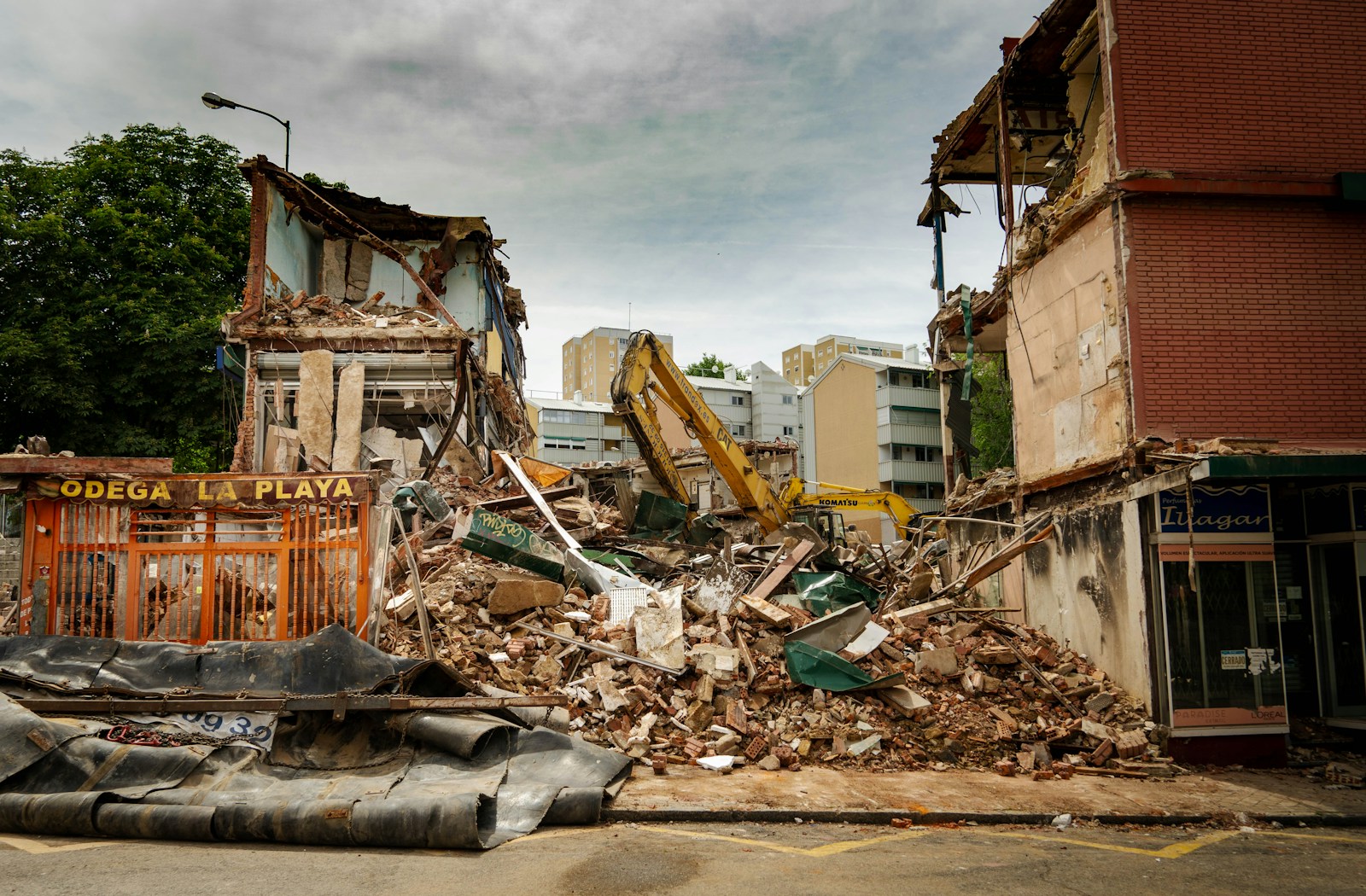

Quick Summary: Rescue Efforts Hampered By Landslides After Flores Earthquake
- A powerful quake struck Flores on August 15, 2026, resulting in at least 54 deaths and over 13,000 displaced by August 17.
- Rescue efforts continue, but aid distribution is slow, leaving thousands without necessary support.
- The disaster has overshadowed Indonesia’s Independence Day celebrations, highlighting the severity of the situation.
- Landslides caused by the quake have complicated rescue operations, potentially increasing the death toll.
- Authorities face challenges in delivering aid due to blocked access and damaged infrastructure.
Source: Open external resource
Source: Read original article
Indonesia’s Flores island was rocked by a devastating earthquake on August 15, 2026, which has since left at least 54 people dead and nearly 13,000 displaced. The disaster has cast a shadow over the nation’s Independence Day celebrations, turning what should have been a day of pride into one of survival and urgency. Rescue is at the center of this development.
Rescue teams have been working tirelessly, but the scale of the disaster has overwhelmed efforts, with thousands still awaiting aid days after the quake. The quake’s impact was exacerbated by subsequent landslides, complicating recovery operations and increasing fears of further casualties.
This crisis has laid bare the challenges faced by Indonesia’s disaster response teams. Damaged infrastructure and blocked access routes have slowed aid distribution, leaving many survivors in makeshift shelters and open fields.
The rapid escalation from a displacement issue to a humanitarian emergency highlights the need for swift action and effective coordination. As the nation grapples with this tragedy, the focus remains on accelerating aid to those in desperate need.
The quake struck on Saturday, August 15, 2026, on Flores; by Sunday, August 16, rescue teams were still digging and had pushed the toll to 53 after recovering six additional bodies; by Monday, August 17, at least 54 were confirmed dead and thousands were still waiting for help. The biggest new development is that Indonesia’s death toll has climbed into the 50s and thousands of survivors on Flores were still waiting for aid on Monday, August 17, 2026, turning what had been framed as a displacement story into an intensifying emergency overshadowing the country’s Independence Day celebrations.
The main institutions driving the response are Indonesia’s disaster authorities and local rescue teams, but the latest English-language reporting available right now is notably focused less on political declarations than on field conditions: damaged housing, blocked access, and the visible mismatch between need and delivery. at a depth of 10 kilometers, with dozens more injured and hundreds of homes and other buildings damaged.
On Sunday, August 16, rescuers recovered six more bodies, lifting the death toll to 53; by Monday, August 17, the toll had risen to at least 54. The affected zone spans multiple regencies on Flores, and the quake also triggered landslides, which complicated body recovery and raised fears that the final toll could still increase if more victims are found in buried homes or cut-off communities.
That combination — a death toll above 50, fear-driven outdoor encampments, landslide complications, and thousands still unreached on August 17 — is the clearest reason this story stands out right now. The numbers have moved quickly over the past 48 hours.
That is the most consequential shift from older headlines about “nearly 13,000 displaced” — the newer reporting indicates the story is no longer chiefly about displacement totals, but about mounting fatalities, delayed aid, and the possibility that isolated communities may still be under-served days after the quake. The next phase to watch is whether Indonesian authorities can accelerate aid distribution and produce firmer casualty and displacement counts, because the reporting suggests both the humanitarian picture and the official numbers remain fluid.
The scale and speed of this development has caught many observers off guard. Each new update adds another dimension to a story that is still unfolding, and the full picture will only become clear as more verified details emerge from the people and institutions directly involved.
Analysts who have tracked this issue closely say the current moment represents a genuine turning point. The decisions made in the coming weeks are expected to set the direction for months ahead, with ripple effects likely to extend well beyond the immediate actors in the story.
For those directly affected, the practical impact is already visible. People navigating this fast-changing situation are dealing with real consequences while new information continues to reshape what is known and what remains open to interpretation.
Historical parallels offer some context, though experts caution against drawing too close a comparison. Similar situations have played out before, but the specific combination of pressures, personalities, and timing here makes this moment distinct in ways that matter for how it ultimately resolves.
The political and economic dimensions of this story are deeply intertwined. What appears as a single event on the surface is in practice the convergence of multiple pressures that have been building quietly over a longer period than most public reporting has captured.