

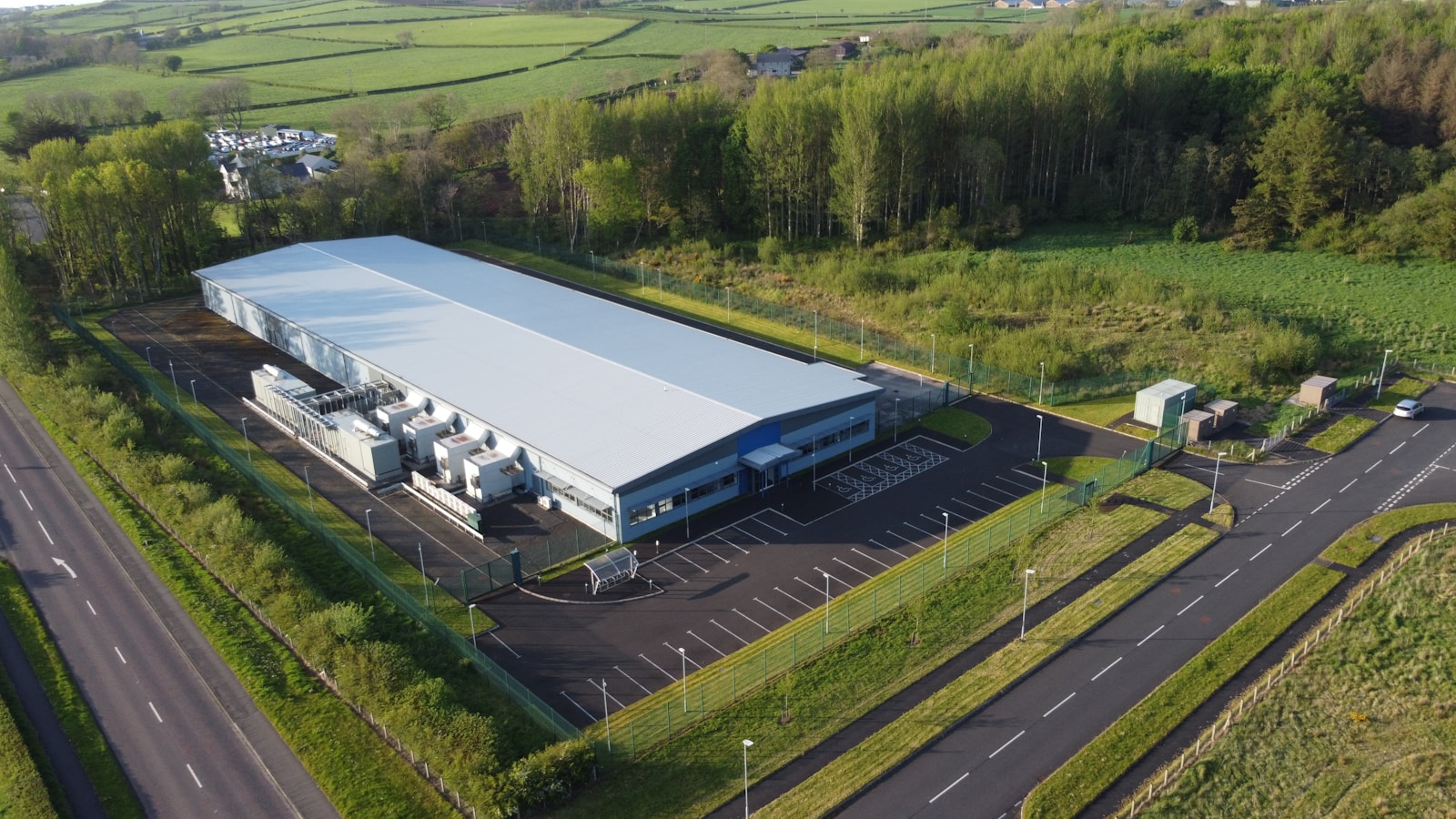

Quick Summary: Ohio Senate Race Heats Up as Data Center Backlash Threatens GOP
- OpenAI announced a major data center project in Ohio, promising 35,000 construction jobs and 2,500 permanent positions.
- Ohio regulators introduced protections for AEP Ohio customers, highlighting cost risks for ratepayers.
- The NRSC memo urged AI companies to justify data centers’ benefits amid growing backlash.
- Fox poll showed Democrat Sherrod Brown leading Republican Jon Husted by 8 points in Ohio.
- Ohio’s state tax subsidies for data centers are estimated in the billions, sparking political debate.
Source: Open external resource
Source: Read original article
The political landscape in Ohio is heating up as backlash against data centers threatens to derail Republican Jon Husted’s Senate ambitions. A private memo from the National Republican Senatorial Committee warns that Democrats have weaponized the issue, turning data centers into a campaign centerpiece. This comes as Fox News polls show Democrat Sherrod Brown leading Husted by a significant margin.
At the heart of the controversy are the billions in state tax subsidies granted to data centers, which critics argue have led to increased utility costs for ordinary Ohioans. Husted, known for his support of the industry, now finds himself on the defensive, trying to shift the narrative by proposing legislation to make data centers pay for their own infrastructure costs.
Adding to the tension, OpenAI’s announcement of a massive data center project backed by Nvidia has brought the issue into sharper focus. While the project promises thousands of jobs, it also underscores the political contradiction: Republicans want the economic benefits but fear the backlash could cost them the Senate seat.
As the November election approaches, the stakes are high. Republicans are scrambling to address the data center cost problem, while Democrats argue that the GOP created it. If the current polling trends hold, the Ohio Senate race could become a defining moment in the political discourse around AI infrastructure and its societal impacts.
On August 17, OpenAI announced a 20-year lease for a sprawling central Ohio data center project backed in part by Nvidia, promising 35,000 construction jobs and 2,500 permanent operating positions. And the broader policy backdrop is moving too: earlier this month Ohio regulators ordered protections for AEP Ohio customers, including a 180-day notice requirement for data center customers returning to default service, an acknowledgment that regulators themselves see spillover cost risks for ordinary ratepayers.
The memo, headlined “Ohio Data Center Risk,” reportedly tells AI companies they need to explain “who benefits, who pays, and why a community should want one,” a remarkable plea from Republicans to the very companies they had been celebrating as engines of growth. On August 13, Fox released the Ohio poll showing Brown with an 8-point lead.
On August 19, new reporting surfaced on the NRSC’s private warning to AI companies that Ohio’s backlash could sink Husted. Republicans are privately warning AI companies that backlash to data centers has become so toxic in Ohio that it could cost them Sen.
The central conflict is no longer whether Ohio wants AI investment, but who pays for the power, water and infrastructure behind it. Husted is trying to shift the conversation onto his federal “Ratepayer Protection Act,” but reporting indicates it still lacks Senate co-sponsors and that a corresponding House measure has not yet reached a floor vote.
That leaves Republicans in a vulnerable spot: they are arguing they can fix the data-center cost problem while Democrats argue they created it. ” The sharpest new development is the existence of that private National Republican Senatorial Committee memo, obtained in reporting this week, which says Democrats have turned data centers into a “centerpiece” of their campaign in Ohio and that Husted is directly exposed because of his long record backing the industry.
And the broader policy backdrop is moving too: earlier this month Ohio regulators ordered protections for AEP Ohio customers, including a 180-day notice requirement for data center customers returning to default service, an acknowledgment that regulators themselves see spillover cost risks for ordinary ratepayers. The memo, headlined “Ohio Data Center Risk,” reportedly tells AI companies they need to explain “who benefits, who pays, and why a community should want one,” a remarkable plea from Republicans to the very companies they had been celebrating as engines of growth.
On August 13, Fox released the Ohio poll showing Brown with an 8-point lead. On August 19, new reporting surfaced on the NRSC’s private warning to AI companies that Ohio’s backlash could sink Husted.
Ohio’s state tax subsidies for data centers are estimated in the billions, sparking political debate. Husted, known for his support of the industry, now finds himself on the defensive, trying to shift the narrative by proposing legislation to make data centers pay for their own infrastructure costs.
The scale and speed of this development has caught many observers off guard. Each new update adds another dimension to a story that is still unfolding, and the full picture will only become clear as more verified details emerge from the people and institutions directly involved.
Analysts who have tracked this issue closely say the current moment represents a genuine turning point. The decisions made in the coming weeks are expected to set the direction for months ahead, with ripple effects likely to extend well beyond the immediate actors in the story.
For those directly affected, the practical impact is already visible. People navigating this fast-changing situation are dealing with real consequences while new information continues to reshape what is known and what remains open to interpretation.
Historical parallels offer some context, though experts caution against drawing too close a comparison. Similar situations have played out before, but the specific combination of pressures, personalities, and timing here makes this moment distinct in ways that matter for how it ultimately resolves.
The political and economic dimensions of this story are deeply intertwined. What appears as a single event on the surface is in practice the convergence of multiple pressures that have been building quietly over a longer period than most public reporting has captured.