

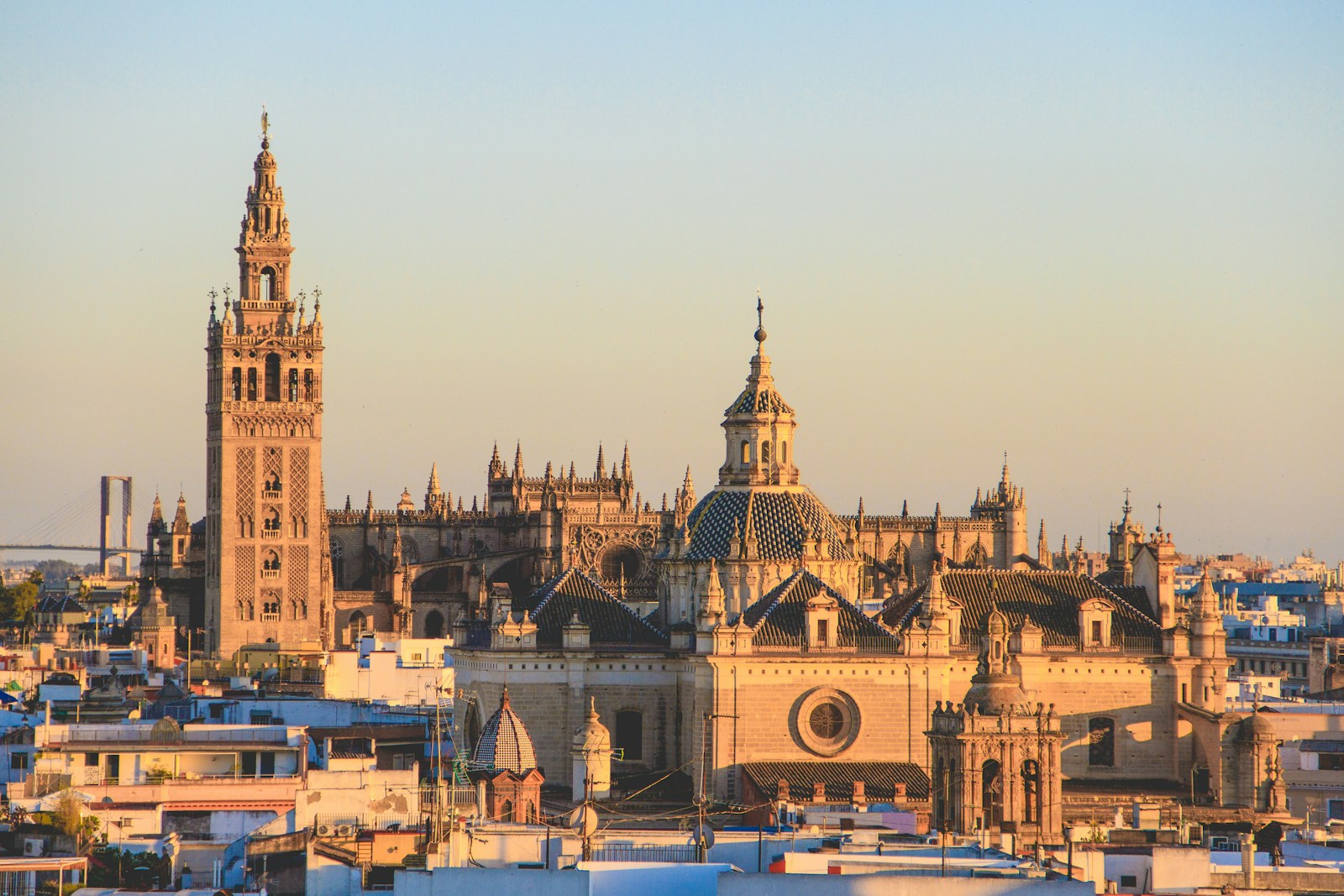

Quick Summary: Spain Set to Surpass France as Top Tourist Destination By 2040
- Spain is projected to surpass France with 110 million visitors by 2040, as per a Deloitte-Google forecast.
- Spain’s tourism revenue reached €105 billion in 2025, outpacing France despite fewer visitors.
- Spain’s tourism accounts for 12.6% of its GDP, raising concerns about economic dependency and local backlash.
- Mallorca faces a housing crisis with over 105,000 homes used for tourism, sparking protests.
- Spain’s approach focuses on high-value tourism, aiming for sustainable growth amid rising visitor numbers.
Source: Open external resource
Source: Read original article
Spain is on the brink of becoming the world’s top tourist destination, set to overtake France by 2040. But this isn’t just a numbers game; it’s a battle of tourism philosophies. While Spain’s visitor numbers are climbing, so too are the voices of dissent from locals overwhelmed by the influx.
The numbers tell part of the story: Spain’s tourism revenue soared to €105 billion in 2025, surpassing France even with fewer visitors. This economic triumph, however, is coupled with a growing social and political strain. Residents in tourist hotspots like Mallorca are protesting against the housing crisis exacerbated by the booming tourism industry.
Spain’s government, led by Tourism Minister Jordi Hereu, is pushing for a model that prioritizes quality over quantity, aiming for ‘triple sustainability.’ Yet, the challenge remains: can Spain sustain this growth without alienating its own citizens? The debate is heating up as Spain’s GDP becomes increasingly reliant on tourism, making it vulnerable to any backlash.
As Spain races towards becoming the world’s tourism leader, the real test will be balancing economic success with social harmony. The forecast of 110 million visitors by 2040 is both a promise and a pressure point, highlighting the urgent need for sustainable tourism strategies.
8 million foreign tourists generated €105 billion, according to Euronews’ February reporting on the French figures. On July 6, Hereu said international tourists were expected to spend nearly €64 billion in summer 2026 alone, about 10% more than in summer 2025, an indication that Madrid is leaning heavily on higher-value tourism as its political defense.
Those figures help explain why a forecast about 2040 is being treated not as a triumphal business story but as a warning about what unchecked success could mean for islands and cities already struggling to house workers and residents. Those current-year numbers matter because they suggest the 2040 forecast is being reinforced by near-term momentum, not just modelled decades out.
6% of Spanish GDP in the latest AP reporting, making the country more exposed to backlash if locals conclude the costs are overwhelming the benefits. 4 billion Tourism Sector Modernisation and Competitiveness Plan.
Protest organizers in Mallorca said more than 105,000 homes are now being used for tourist purposes, legally or illegally, in the middle of what they called an unprecedented housing crisis. At the same time, Spain’s inbound flow is still accelerating in 2026.
France has set a 2030 goal of €100 billion in annual tourism revenue while presenting itself as a sustainable destination, but Spain is already out-earning it on at least some measures and remains one of Europe’s fastest-growing tourism economies. The most important development right now is that the headline forecast of 110 million visitors by 2040 has become a pressure point in a present-day struggle: Spain is on track to become the world’s tourism leader, but the real question in this week’s reporting is whether it can do that without turning its biggest economic success into a social and political liability.
6% of its GDP, raising concerns about economic dependency and local backlash. Spain is on the brink of becoming the world’s top tourist destination, set to overtake France by 2040.
The numbers tell part of the story: Spain’s tourism revenue soared to €105 billion in 2025, surpassing France even with fewer visitors. Those current-year numbers matter because they suggest the 2040 forecast is being reinforced by near-term momentum, not just modelled decades out.
6% of Spanish GDP in the latest AP reporting, making the country more exposed to backlash if locals conclude the costs are overwhelming the benefits. Protest organizers in Mallorca said more than 105,000 homes are now being used for tourist purposes, legally or illegally, in the middle of what they called an unprecedented housing crisis.
The scale and speed of this development has caught many observers off guard. Each new update adds another dimension to a story that is still unfolding, and the full picture will only become clear as more verified details emerge from the people and institutions directly involved.
Analysts who have tracked this issue closely say the current moment represents a genuine turning point. The decisions made in the coming weeks are expected to set the direction for months ahead, with ripple effects likely to extend well beyond the immediate actors in the story.
For those directly affected, the practical impact is already visible. People navigating this fast-changing situation are dealing with real consequences while new information continues to reshape what is known and what remains open to interpretation.
Historical parallels offer some context, though experts caution against drawing too close a comparison. Similar situations have played out before, but the specific combination of pressures, personalities, and timing here makes this moment distinct in ways that matter for how it ultimately resolves.
The political and economic dimensions of this story are deeply intertwined. What appears as a single event on the surface is in practice the convergence of multiple pressures that have been building quietly over a longer period than most public reporting has captured.