

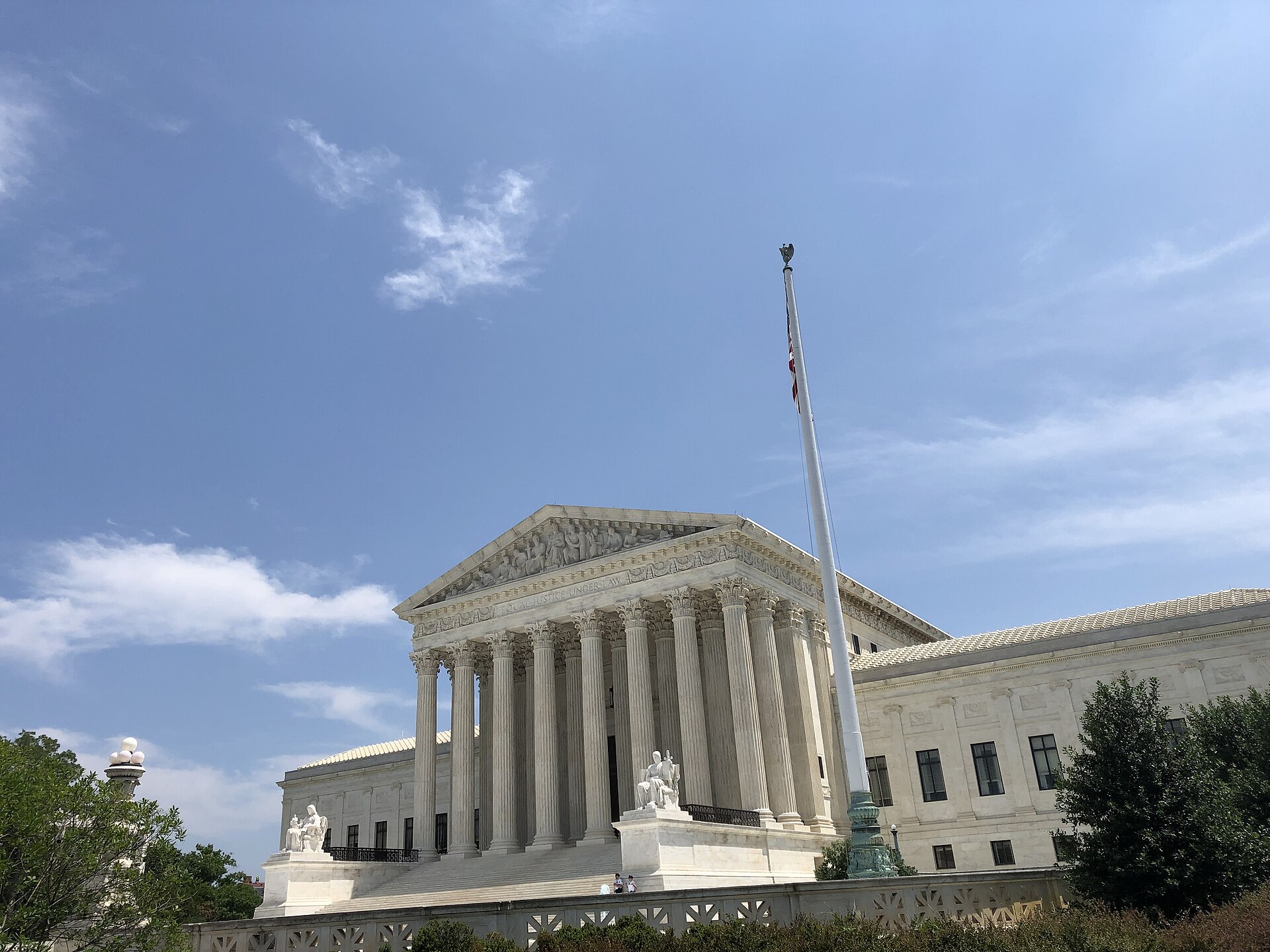

Quick Summary: USPS Adopts New Ballot Design Following Supreme Court Decision on Mail Voting
- The Supreme Court cleared the way for Trump’s mail-ballot executive order, affecting the 2026 midterms.
- The ruling was a 6-3 decision, with the court stating that the 23 Democratic-led states lacked standing.
- The order requires mail ballots to go only to voters on a federal citizenship-verified list.
- USPS introduced new ballot-envelope designs and an online portal for voter information submission.
- The decision allows federal agencies to proceed, but states and voting-rights groups can still challenge it.
Source: Open external resource
Source: Read original article
In a move that has sent shockwaves through the political landscape, the Supreme Court has granted President Trump the green light to proceed with his controversial mail-ballot executive order. This decision, handed down just weeks before the 2026 midterm elections, has left election officials scrambling to adapt to new requirements amidst ongoing legal battles.
The court’s 6-3 ruling, described as an emergency order, essentially dismissed the standing of 23 Democratic-led states and Washington, D.C., who challenged the order. The court treated the directive as an internal measure, despite its potential to impact state election systems significantly. This procedural victory for Trump, however, leaves the legality of the restrictions unresolved, creating a state of uncertainty that election administrators dread.
At the heart of the order is a requirement that mail ballots be sent only to voters on a federal citizenship-verified list, compiled with the involvement of Homeland Security. Additionally, the U.S. Postal Service has rolled out new ballot-envelope design requirements and a portal for states to submit voter information. These changes come at a critical time, as some states are set to begin mailing ballots within weeks.
This ruling has not only reignited debates over federal versus state authority in election administration but also highlighted the logistical challenges of implementing such sweeping changes on short notice. The stakes are high, as mail voting accounted for about 30% of ballots cast in the 2024 presidential election, affecting tens of millions of voters.
Despite the Supreme Court’s decision, the path forward remains fraught with uncertainty. While federal agencies have received the go-ahead, states and voting-rights groups are poised to challenge the details in lower courts. As the November election looms, the question remains: how far will Trump’s push reach before ballots start going out?
AP also stressed that the uncertainty lands hardest because mail voting is already embedded in election operations across much of the country, and one report said initial ballots for North Carolina’s military and overseas voters are scheduled to go out in just over a week, on September 1, 2026. The biggest new development is that the Supreme Court has now cleared the way for President Donald Trump to start implementing parts of his mail-ballot executive order just weeks before the 2026 midterms, jolting election officials because the legal fight is unresolved and some states begin sending ballots in early September.
Ballot-mailing deadlines begin in early September, the midterm election is on November 3, 2026, and the Supreme Court record itself notes that the district court injunction did not stop the federal government from preparing implementation for elections after November 3. ” Even the lower-court language quoted in the Supreme Court materials warned that the executive order contemplated “a substantial and unfunded overhaul of election procedures” on the eve of the November election.
That is why the case has become a flashpoint not just over fraud rhetoric, but over federal power itself. Recent reporting notes that about 30% of all ballots cast in the 2024 presidential election were mailed, meaning any disruption affects tens of millions of voters and nearly one-third of the electorate.
According to CBS and AP, the order seeks to require mail ballots to go only to voters on a federal citizenship-verified list compiled with Homeland Security involvement, while USPS has also issued new ballot-envelope design requirements and an online reporting portal for states to submit voter names and addresses. That makes the decision more destabilizing than decisive: Trump gets momentum, federal agencies get permission to move, but states and voting-rights groups still have room to challenge the details in lower courts and in separate cases.
Axios reported that Washington state officials are already vowing to keep fighting, while AP and CBS both emphasize that election officials around the country are now assessing whether they must change ballot design, mailing lists, or data-sharing practices before November. That means Trump won the immediate procedural fight without the court fully settling whether the underlying restrictions are lawful, creating exactly the kind of limbo election administrators fear.
This decision, handed down just weeks before the 2026 midterm elections, has left election officials scrambling to adapt to new requirements amidst ongoing legal battles. The stakes are high, as mail voting accounted for about 30% of ballots cast in the 2024 presidential election, affecting tens of millions of voters.
” Even the lower-court language quoted in the Supreme Court materials warned that the executive order contemplated “a substantial and unfunded overhaul of election procedures” on the eve of the November election. Recent reporting notes that about 30% of all ballots cast in the 2024 presidential election were mailed, meaning any disruption affects tens of millions of voters and nearly one-third of the electorate.
The ruling was a 6-3 decision, with the court stating that the 23 Democratic-led states lacked standing. According to CBS and AP, the order seeks to require mail ballots to go only to voters on a federal citizenship-verified list compiled with Homeland Security involvement, while USPS has also issued new ballot-envelope design requirements and an online reporting portal for states to submit voter names and addresses.
That makes the decision more destabilizing than decisive: Trump gets momentum, federal agencies get permission to move, but states and voting-rights groups still have room to challenge the details in lower courts and in separate cases. The decision allows federal agencies to proceed, but states and voting-rights groups can still challenge it.
The scale and speed of this development has caught many observers off guard. Each new update adds another dimension to a story that is still unfolding, and the full picture will only become clear as more verified details emerge from the people and institutions directly involved.
Analysts who have tracked this issue closely say the current moment represents a genuine turning point. The decisions made in the coming weeks are expected to set the direction for months ahead, with ripple effects likely to extend well beyond the immediate actors in the story.
For those directly affected, the practical impact is already visible. People navigating this fast-changing situation are dealing with real consequences while new information continues to reshape what is known and what remains open to interpretation.
Historical parallels offer some context, though experts caution against drawing too close a comparison. Similar situations have played out before, but the specific combination of pressures, personalities, and timing here makes this moment distinct in ways that matter for how it ultimately resolves.
The political and economic dimensions of this story are deeply intertwined. What appears as a single event on the surface is in practice the convergence of multiple pressures that have been building quietly over a longer period than most public reporting has captured.