

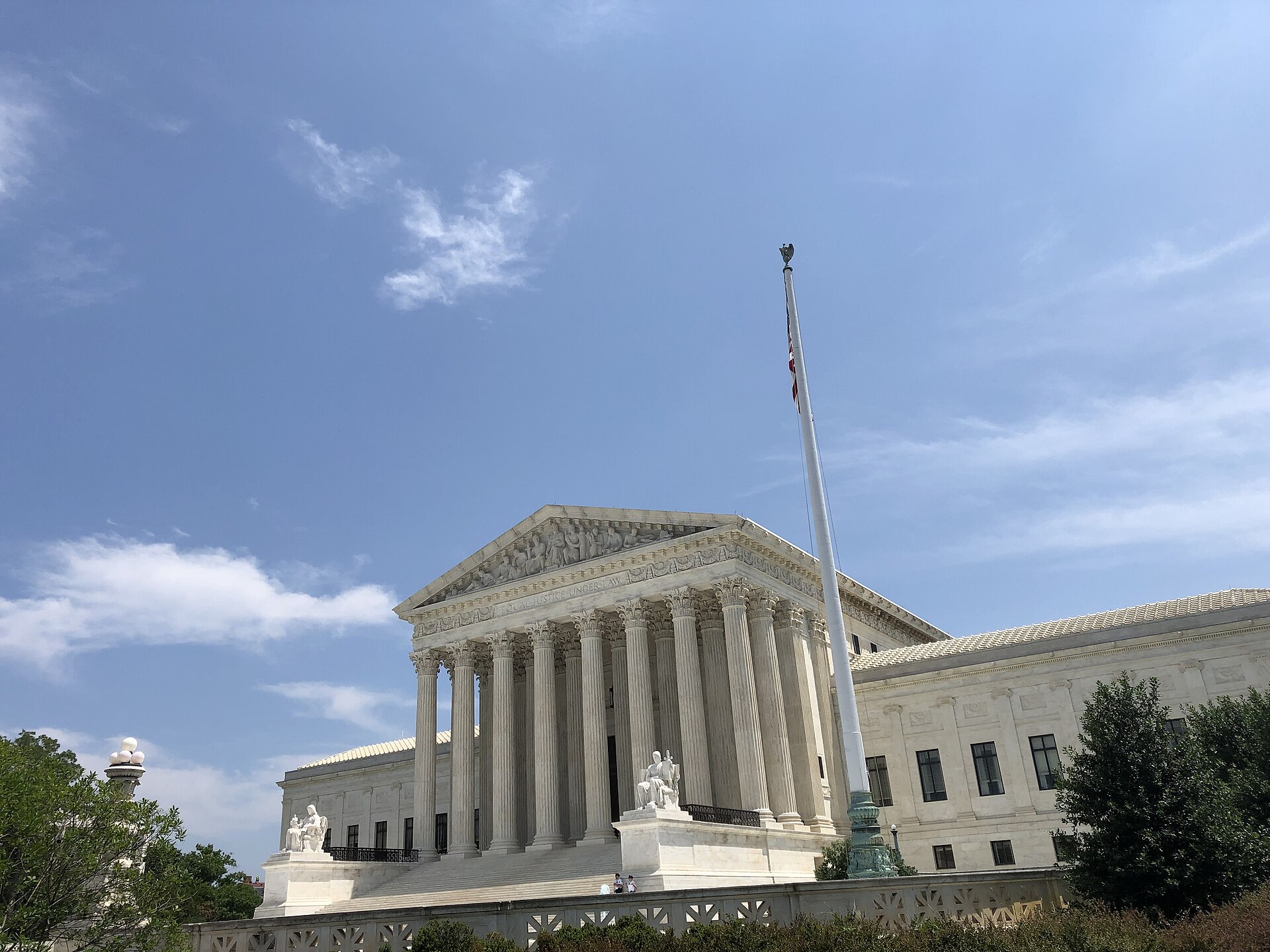

Quick Summary: Supreme Courts Ruling Allows Controversial USPS Ballot Rule
- 25 Democratic attorneys general filed a lawsuit against the U.S. Postal Service’s new rule, citing it as an election interference.
- The rule requires specific ballot-envelope formats and a new system to track mail voters, raising concerns of federal overreach.
- California Attorney General Rob Bonta labeled the rule an “unlawful overreach,” potentially disrupting preparations for the 2026 midterms.
- A judge noted the administration violated an injunction, yet the Supreme Court’s intervention allowed the rule to proceed.
- Election officials warn that changes could disrupt mail voting, affecting nearly one-third of voters who use this method.
Source: Open external resource
Source: Read original article
The battle over mail voting in the U.S. has taken a sharp turn as 25 Democratic states have launched a lawsuit against the U.S. Postal Service’s new rule. This controversial rule, they argue, is an attempt by the administration to enforce sweeping election changes just weeks before the 2026 midterms.
At the heart of the dispute is the Postal Service’s requirement for states to adopt specific ballot-envelope formats and a new system to identify mail voters. Critics, including California Attorney General Rob Bonta, describe this as an “unlawful overreach” that could force states to redesign ballot envelopes and build new systems, potentially upending election preparations.
Contextually, the rule’s enforcement comes after a federal judge stated the administration violated an existing injunction. However, the Supreme Court’s earlier intervention has allowed this rule to proceed, intensifying the legal battle. Election officials have raised alarms, highlighting that even minor changes could cause systemic disruptions, especially since nearly a third of voters cast their ballots by mail.
As the legal showdown unfolds, the states are racing to block the enforcement of these requirements before the ballots are mailed for the November elections. The stakes are high, with the potential for significant operational challenges if the courts do not intervene swiftly.
AP reported Wednesday that the rule requires states to use specific ballot-envelope formats and to work through a new system identifying who is voting by mail, prompting New York Attorney General Letitia James to say, “Across the country, states are already deep into preparations for the 2026 elections. Postal Service rule, arguing the administration is trying to force sweeping election changes just weeks before ballots go out for the 2026 midterms.
Spectrum News’ report says the Postal Service’s own language states it “will not take actions to implement the rule specifically for the 2026 election unless and until the government obtains relief from those injunctions,” but also says it will implement the rule immediately if the injunctions are lifted. California Attorney General Rob Bonta said the rule is “an unlawful overreach,” while the states’ court filings argue it would force them to redesign ballot envelopes, build new systems to transmit voter-by-mail data to USPS, and issue new public guidance with November approaching.
On Tuesday, August 25, a judge said the administration had violated an injunction by publishing the rule, even as uncertainty deepened after the Supreme Court’s earlier intervention. According to AP, nearly one-third of the country votes by mail in some form, which is why election officials are warning that even a technical change to envelope design or ballot-handling rules could cause systemic disruption.
The states say the federal government is trying to “rewrite federal election law and usurp the authority of the states and Congress,” as one account of the lawsuit summarized. That sequence is why the latest reporting is framing this less as a settled legal win for Trump than as a rapidly evolving battle over whether anything can practically change before the November 2026 election.
The most important development is that this is not just a rerun of the earlier challenge to Trump’s March executive order: the new suit targets a final USPS rule published last Friday and formally coming into view this week, after the Supreme Court said the first challenge was premature. Nevada Secretary of State Cisco Aguilar underscored the operational risk by noting USPS had already misdelivered “three dozen” mail ballots from Nevada’s June primary.
This controversial rule, they argue, is an attempt by the administration to enforce sweeping election changes just weeks before the 2026 midterms. Postal Service rule, arguing the administration is trying to force sweeping election changes just weeks before ballots go out for the 2026 midterms.
On Tuesday, August 25, a judge said the administration had violated an injunction by publishing the rule, even as uncertainty deepened after the Supreme Court’s earlier intervention. California Attorney General Rob Bonta labeled the rule an “unlawful overreach,” potentially disrupting preparations for the 2026 midterms.
Contextually, the rule’s enforcement comes after a federal judge stated the administration violated an existing injunction. According to AP, nearly one-third of the country votes by mail in some form, which is why election officials are warning that even a technical change to envelope design or ballot-handling rules could cause systemic disruption.
The states say the federal government is trying to “rewrite federal election law and usurp the authority of the states and Congress,” as one account of the lawsuit summarized. The rule requires specific ballot-envelope formats and a new system to track mail voters, raising concerns of federal overreach.
The scale and speed of this development has caught many observers off guard. Each new update adds another dimension to a story that is still unfolding, and the full picture will only become clear as more verified details emerge from the people and institutions directly involved.
Analysts who have tracked this issue closely say the current moment represents a genuine turning point. The decisions made in the coming weeks are expected to set the direction for months ahead, with ripple effects likely to extend well beyond the immediate actors in the story.
For those directly affected, the practical impact is already visible. People navigating this fast-changing situation are dealing with real consequences while new information continues to reshape what is known and what remains open to interpretation.
Historical parallels offer some context, though experts caution against drawing too close a comparison. Similar situations have played out before, but the specific combination of pressures, personalities, and timing here makes this moment distinct in ways that matter for how it ultimately resolves.
The political and economic dimensions of this story are deeply intertwined. What appears as a single event on the surface is in practice the convergence of multiple pressures that have been building quietly over a longer period than most public reporting has captured.