


Quick Summary: Referendum Sparks Debate Over Power Dynamics in Guinea
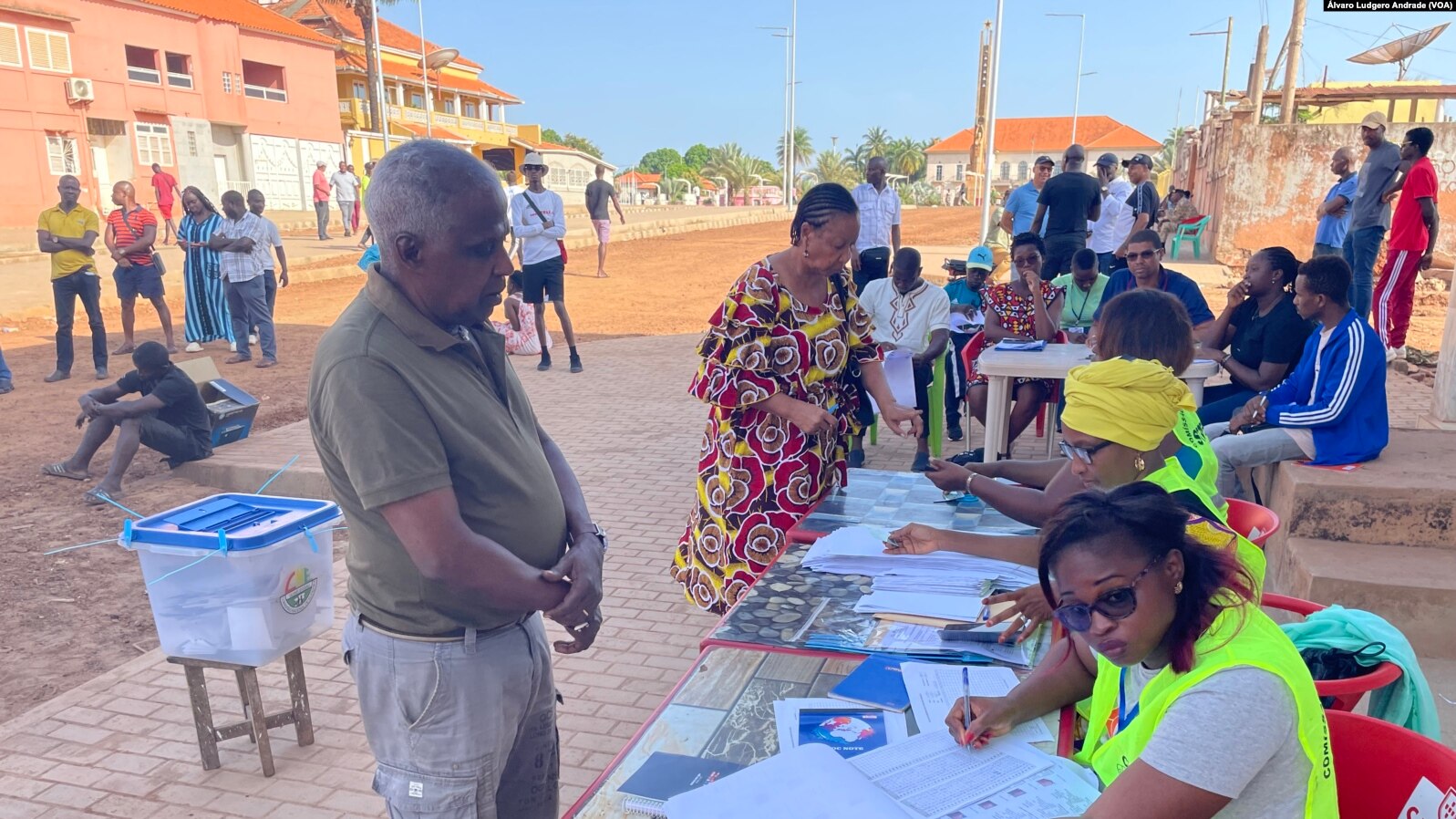
- Guinea-Bissau held a referendum on August 30, with provisional results expected soon, focusing on turnout and legitimacy.
- The referendum proposes to give the president powers to appoint and dismiss the prime minister and dissolve parliament.
- Opposition groups called for a boycott, citing the process as a continuation of the military coup.
- Proposed changes include reducing parliament from 102 seats to 65 and restructuring electoral constituencies.
- General Tomás Djassi defended the changes as necessary to resolve conflicts between the president and prime minister.
Source: Open external resource
Source: Read original article
In a dramatic shift, Guinea-Bissau has taken a decisive step towards potentially reshaping its political landscape. On August 30, the nation voted in a referendum that could significantly alter the balance of power, granting the president sweeping new authorities.
The proposed changes are nothing short of transformative. If passed, the president would gain the ability to appoint and dismiss the prime minister, dissolve parliament, and manage the Council of Ministers. This restructuring also includes reducing the number of parliamentary seats from 102 to 65, a move that has sparked controversy and debate.
Critics, including opposition groups, have denounced the referendum as a veiled attempt to consolidate power following last year’s military coup. They argue that the process lacks legitimacy, as evidenced by calls for a boycott and reports of low voter turnout.
General Tomás Djassi, however, has defended the constitutional rewrite, stating it is essential to prevent conflicts between the president and prime minister. He insists that the changes are aimed at stabilizing the government rather than entrenching military power.
As the nation awaits the provisional results, the outcome of this referendum could set a precedent for future governance in Guinea-Bissau. Whether it leads to a more stable political environment or further turmoil remains to be seen.
Reuters-based reporting also says the new rules would apply ahead of general elections scheduled for December 6, 2026, so the constitutional fight is really a fight over the framework of the next government. The sharpest conflict is over whether this is a stabilizing reform or a power grab by the military authorities who took power after the November 26, 2025 coup.
Al Jazeera reported that the proposal would also cut electoral constituencies from 29 to 12, require presidential candidates to have lived permanently in Guinea-Bissau for the previous five years, and impose a deposit of 50 million West African CFA francs—about $90,000. On August 29, reporting focused on the stakes and the boycott campaign; on August 30, voting took place across the country, where more than 900,000 people were eligible to participate; and by the close of polls at 1700 GMT, reporters were already emphasizing low turnout at many polling stations after opposition calls to stay home.
What happens next is therefore unusually clear: first, the provisional referendum results expected from Tuesday; then, if the measure passes, December 6 presidential and parliamentary elections conducted under a rewritten constitutional order drafted during military rule. The referendum would dramatically rewire power in Guinea-Bissau by giving the president authority to appoint and dismiss the prime minister, dissolve parliament, chair the Council of Ministers, and create or abolish ministries, while shrinking parliament from 102 seats to 65.
Tomás Djassi, head of the armed forces, who defended the rewrite by saying: “In a community, there is only one leader. DW reported that opposition groups urged a boycott and called the referendum a “source of political instability at all levels,” while Portuguese-language DW reporting said civil society groups described the vote as an “aberração,” or “aberration,” and called for a “massive and total” boycott on the grounds that the process did not respect the applicable legal framework.
Political parties backing a presidential candidate would also need at least 5,000 members, including 300 in each region, raising fears that the new rules could narrow the field well before December’s vote. Guinea-Bissau’s most consequential new development is that the country has now held the referendum itself, with polls closing on Sunday, August 30, and provisional results expected from Tuesday, making turnout and legitimacy—not just the constitutional text—the story that matters most right now.
On August 29, reporting focused on the stakes and the boycott campaign; on August 30, voting took place across the country, where more than 900,000 people were eligible to participate; and by the close of polls at 1700 GMT, reporters were already emphasizing low turnout at many polling stations after opposition calls to stay home. On August 30, the nation voted in a referendum that could significantly alter the balance of power, granting the president sweeping new authorities.
Critics, including opposition groups, have denounced the referendum as a veiled attempt to consolidate power following last year’s military coup. The referendum would dramatically rewire power in Guinea-Bissau by giving the president authority to appoint and dismiss the prime minister, dissolve parliament, chair the Council of Ministers, and create or abolish ministries, while shrinking parliament from 102 seats to 65.
Tomás Djassi, head of the armed forces, who defended the rewrite by saying: “In a community, there is only one leader. com Guinea-Bissau held a referendum on August 30, with provisional results expected soon, focusing on turnout and legitimacy.
The scale and speed of this development has caught many observers off guard. Each new update adds another dimension to a story that is still unfolding, and the full picture will only become clear as more verified details emerge from the people and institutions directly involved.
Analysts who have tracked this issue closely say the current moment represents a genuine turning point. The decisions made in the coming weeks are expected to set the direction for months ahead, with ripple effects likely to extend well beyond the immediate actors in the story.
For those directly affected, the practical impact is already visible. People navigating this fast-changing situation are dealing with real consequences while new information continues to reshape what is known and what remains open to interpretation.
Historical parallels offer some context, though experts caution against drawing too close a comparison. Similar situations have played out before, but the specific combination of pressures, personalities, and timing here makes this moment distinct in ways that matter for how it ultimately resolves.
The political and economic dimensions of this story are deeply intertwined. What appears as a single event on the surface is in practice the convergence of multiple pressures that have been building quietly over a longer period than most public reporting has captured.