


Quick Summary: Abbott Faces Backlash Over Surveillance Cameras Amid Tight Race
- Gina Hinojosa is leveraging backlash against Flock cameras and data centers to challenge Gov. Greg Abbott.
- Abbott paused state funding for Flock cameras following increased scrutiny and criticism, including from within his own party.
- Polls show a narrowing race, with significant opposition to data centers among Texas voters, including Republicans and independents.
- Hinojosa argues that the issue is about power dynamics and government accountability, not just technology.
- Her campaign criticizes Abbott for being pro-corporate and anti-privacy, framing this as a bipartisan issue.
Source: Open external resource
Source: Read original article
Gina Hinojosa is betting big on a growing backlash against surveillance technology and data centers in Texas. By challenging Governor Greg Abbott’s policies on these issues, she aims to turn local discontent into a political force strong enough to unseat him.
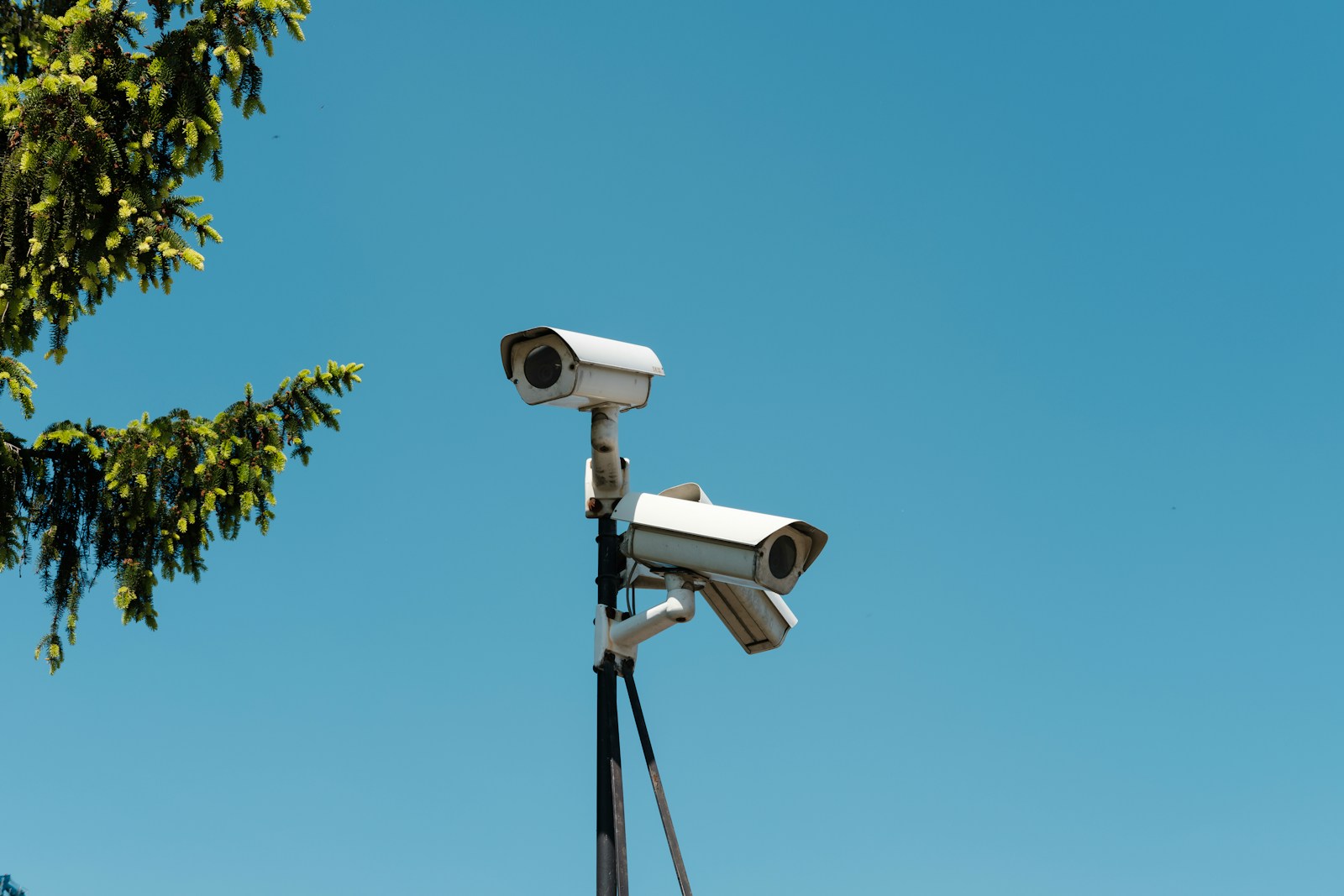
The controversy centers around Flock cameras, a license-plate-scanning system that has drawn criticism for privacy concerns. Abbott recently paused state funding for these cameras, a move seen as a reaction to mounting pressure, including dissent from within his own party. Hinojosa is capitalizing on this, framing Abbott as both anti-privacy and pro-corporate.
Recent polls indicate a tightening race, with a significant portion of Texas voters opposing data centers in their communities. Hinojosa argues that this issue transcends technology, highlighting a lack of government accountability and responsiveness to local needs. Her campaign emphasizes the strain these projects place on infrastructure, such as increased traffic and utility demands.
Hinojosa’s strategy is to portray Abbott as out of touch with everyday Texans, accusing him of prioritizing corporate interests over public welfare. This narrative is gaining traction across party lines, with even some Republicans expressing dissatisfaction with Abbott’s handling of the issues.
As the election approaches, the focus will be on whether Abbott’s recent actions are seen as genuine regulatory efforts or as a last-minute attempt to salvage his political standing. Hinojosa’s campaign continues to push for more stringent regulations and legislative action, aiming to make privacy and infrastructure key election issues.
” Her campaign has tied the issue to a $26 million Texas Department of Public Safety contract for Flock cameras on state roads. ” The same poll found 57 percent of Texas voters either strongly or somewhat oppose construction of data centers in their own community, including 43 percent of Republicans, while 54 percent of independents oppose them too.
That same Tribune story said even Republican and Democratic lawmakers are now raising alarms about the scale of Flock’s network and how much data it captures, while Republican Congressman Keith Self has pushed warrant requirements for federal access. The most vivid specific example remains the Stargate Oracle AI campus in Abilene, which The Independent says will span roughly 4 million square feet and is expected to be fully completed by the end of 2026.
“The best thing we have going for us in this election is that everybody knows who Greg Abbott is,” she said, adding that the revolt is not coming from moderates alone: “It’s not moderate Republicans who are done with Greg Abbott. Hinojosa is trying to press her advantage through November by making data centers and surveillance cameras a test of whether Texas government serves residents or wealthy tech interests.
The Independent highlights criticism from Agriculture Commissioner Sid Miller, and the Texas Tribune reported on August 28 that Abbott ordered all state agencies to pause funding for Flock cameras as scrutiny mounted. Abbott has argued that “the guidelines and guardrails I have established are now universally adopted across the state of Texas,” and The Independent says he signed an August executive order directing the Public Utility Commission and ERCOT to audit data centers while pausing construction in the meantime.
The Independent notes she launched a new ad this week attacking his support for the license-plate-scanning system, and other current reporting says the ad bluntly declares, “There’s only 10,000 Flock cameras reading your plate, logging where you sleep and pray. Greg Abbott moved to pause state spending on Flock cameras on Friday, August 28, just days after Gina Hinojosa sharpened her attack over “warrantless surveillance,” giving fresh evidence that an issue once seen as fringe is now forcing a Republican incumbent onto the defensive in the Texas governor’s race.
Polls show a narrowing race, with significant opposition to data centers among Texas voters, including Republicans and independents. Her campaign criticizes Abbott for being pro-corporate and anti-privacy, framing this as a bipartisan issue.
The controversy centers around Flock cameras, a license-plate-scanning system that has drawn criticism for privacy concerns. Hinojosa is capitalizing on this, framing Abbott as both anti-privacy and pro-corporate.
The scale and speed of this development has caught many observers off guard. Each new update adds another dimension to a story that is still unfolding, and the full picture will only become clear as more verified details emerge from the people and institutions directly involved.
Analysts who have tracked this issue closely say the current moment represents a genuine turning point. The decisions made in the coming weeks are expected to set the direction for months ahead, with ripple effects likely to extend well beyond the immediate actors in the story.
For those directly affected, the practical impact is already visible. People navigating this fast-changing situation are dealing with real consequences while new information continues to reshape what is known and what remains open to interpretation.
Historical parallels offer some context, though experts caution against drawing too close a comparison. Similar situations have played out before, but the specific combination of pressures, personalities, and timing here makes this moment distinct in ways that matter for how it ultimately resolves.
The political and economic dimensions of this story are deeply intertwined. What appears as a single event on the surface is in practice the convergence of multiple pressures that have been building quietly over a longer period than most public reporting has captured.