


Quick Summary: STI Etfs Amass S$5.4 Billion, Signaling Strong Investor Confidence
- Singapore stocks surged in 2026, with the Straits Times Index (STI) potentially reaching 7,000, according to JPMorgan.
- By July 10, Singapore-listed ETFs tied to the STI amassed S$5.4 billion in assets, showing genuine investor interest.
- February 2026 marked the STI’s first break above 5,000, highlighting its symbolic significance.
- DBS, UOB, and OCBC make up nearly 58% of the STI, indicating the index’s reliance on the banking sector.
- The STI is framed as embodying Singapore’s growth story, attracting investor attention and capital.
Source: Open external resource
Source: Read original article
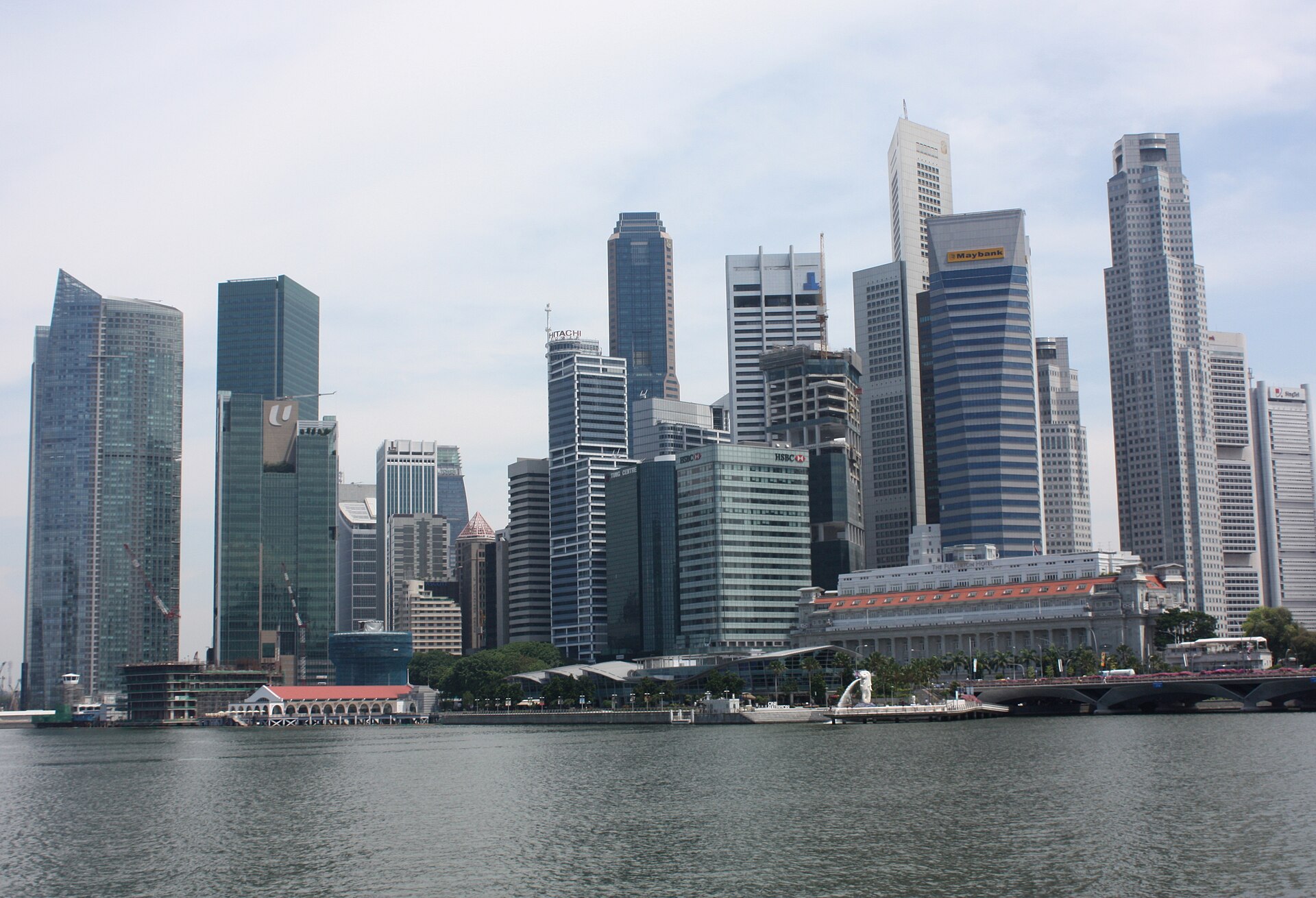
The Straits Times Index (STI) is not just a nostalgic benchmark celebrating its 60th anniversary; it’s a dynamic indicator of Singapore’s economic prowess. Recent reports show that Singapore stocks have been on a remarkable rise in 2026, with JPMorgan projecting the STI could hit 7,000 in the next year.
This renewed interest is not merely rhetorical. By July 10, ETFs tied to the STI had amassed S$5.4 billion in assets, signaling strong investor confidence. February 2026 marked a significant milestone as the STI broke through the 5,000 mark for the first time, a symbolic threshold that underscores its importance.
However, the STI’s strength is also its vulnerability. The index is heavily concentrated in the banking sector, with DBS, UOB, and OCBC accounting for nearly 58%. This concentration makes the STI a reflection of Singapore’s financial sector’s health, turning it into a debate between resilience and narrowness.
Despite these concerns, the STI is being positioned as a gateway to Singapore’s growth narrative. The index includes major players like Singtel, Singapore Airlines, and Keppel, offering investors exposure to regional and global markets. As Singapore’s economy evolves, so does the STI, reflecting shifts in sectors like digital infrastructure and aerospace.
The future of the STI hinges on whether it can diversify beyond the banks. If other sectors begin to contribute significantly, the index could solidify its status as a serious regional allocation. Otherwise, it risks being seen as just a concentrated bet on Singapore’s banking giants.
One August 12 report said Singapore stocks had been “on a tear in 2026,” while JPMorgan’s bull-case scenario projected the STI could hit 7,000 over the next 12 months. 4 billion in combined assets by July 10, a concrete sign that the renewed interest is not just rhetorical.
4 per cent rise in Monday trading; and February 2026 marked the first break above 5,000, the symbolic threshold the latest article keeps returning to. sg) The sharpest takeaway from Monday, August 31, 2026, is that The Business Times is framing the STI as more than a stock gauge: it is selling the index as a one-ticket way to own Singapore’s “growth story” at a moment when investor attention has returned to the market and money has followed.
Another important datapoint from recent SGX-related reporting is that DBS remained the index’s largest stock by market capitalization at S$182 billion, reinforcing why the benchmark’s future is still tightly tied to the banks even as editors and strategists try to broaden the narrative. sg) What happens next is less about a single vote or court date than whether this reframing of the STI can hold if leadership broadens beyond the banks.
It also anchors that argument in the make-up of the index’s 30 largest and most liquid SGX-listed names, including DBS, OCBC, UOB, Singtel, Singapore Airlines, ST Engineering, Keppel and CapitaLand. That same concentration is showing up elsewhere in recent coverage: as at August 7, DBS, UOB and OCBC made up almost 58 per cent of the STI, a figure that explains why every move in the banks now shapes the entire benchmark.
On one side are investors leaning into Singapore’s defensive profile during geopolitical stress and AI-driven volatility; on the other are those warning that an index dominated by financials can look strong even if broader market breadth is weaker. 2 per cent, underscoring how dependent the benchmark remains on a handful of heavyweight names.
February 2026 marked the STI’s first break above 5,000, highlighting its symbolic significance. DBS, UOB, and OCBC make up nearly 58% of the STI, indicating the index’s reliance on the banking sector.
The index is heavily concentrated in the banking sector, with DBS, UOB, and OCBC accounting for nearly 58%. 4 billion in combined assets by July 10, a concrete sign that the renewed interest is not just rhetorical.
4 per cent rise in Monday trading; and February 2026 marked the first break above 5,000, the symbolic threshold the latest article keeps returning to. 4 billion in assets, showing genuine investor interest.
4 billion in assets, signaling strong investor confidence. sg) The sharpest takeaway from Monday, August 31, 2026, is that The Business Times is framing the STI as more than a stock gauge: it is selling the index as a one-ticket way to own Singapore’s “growth story” at a moment when investor attention has returned to the market and money has followed.
The scale and speed of this development has caught many observers off guard. Each new update adds another dimension to a story that is still unfolding, and the full picture will only become clear as more verified details emerge from the people and institutions directly involved.
Analysts who have tracked this issue closely say the current moment represents a genuine turning point. The decisions made in the coming weeks are expected to set the direction for months ahead, with ripple effects likely to extend well beyond the immediate actors in the story.
For those directly affected, the practical impact is already visible. People navigating this fast-changing situation are dealing with real consequences while new information continues to reshape what is known and what remains open to interpretation.
Historical parallels offer some context, though experts caution against drawing too close a comparison. Similar situations have played out before, but the specific combination of pressures, personalities, and timing here makes this moment distinct in ways that matter for how it ultimately resolves.
The political and economic dimensions of this story are deeply intertwined. What appears as a single event on the surface is in practice the convergence of multiple pressures that have been building quietly over a longer period than most public reporting has captured.