

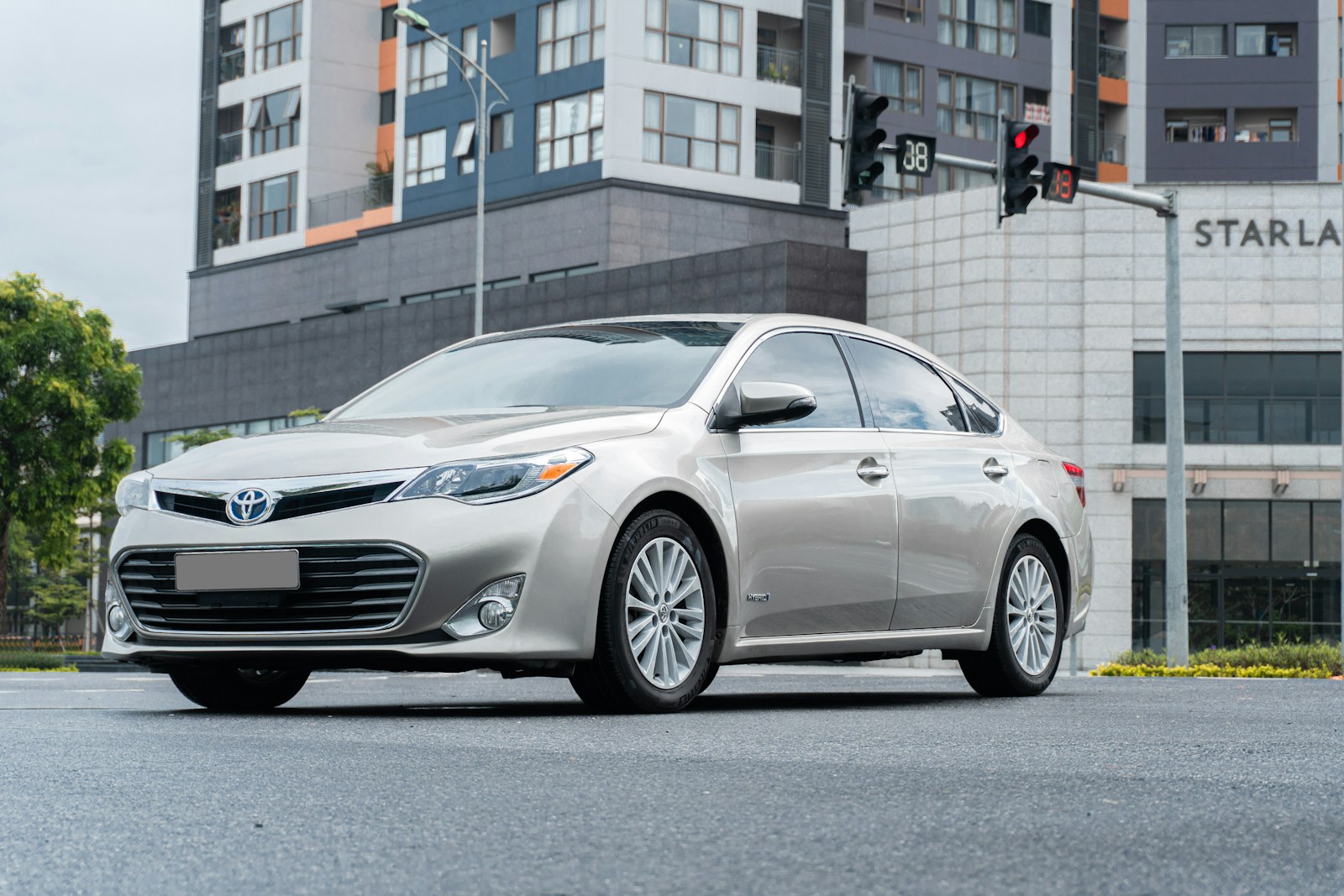

Quick Summary: Toyota and Honda Brace for Impact as Trump Targets Canadian Cars
- Trump threatens 50% tariffs on Canadian cars by 2027 — Toyota and Honda face significant exposure due to their production in Canada.
- Canadian-built vehicles made up nearly 25% of Honda’s U.S. sales last year — Toyota and Honda are most vulnerable among major automakers.
- Canada’s auto industry supports 427,000 jobs — a tariff increase could lead to assembly line shutdowns in Ontario.
- Toyota incurred $8.8 billion in tariff-related costs last year — further trade barriers could force production changes.
- Trump urges Canadian firms to relocate to the U.S. — his strategy aims to reshape North American manufacturing.
Source: Open external resource
Source: Read original article
In a bold move that could reshape North American trade, former President Donald Trump has set his sights on Canada, threatening to impose a 50% tariff on Canadian-made vehicles starting January 1, 2027. This aggressive stance places Toyota and Honda at the forefront of potential corporate casualties, as these automakers produce a significant portion of vehicles in Canada for the U.S. market.
The numbers are staggering. Canadian-built vehicles accounted for nearly a quarter of Honda’s U.S. sales and 17% of Toyota’s last year. Analysts warn that such tariffs could force assembly line shutdowns in Ontario, where these Japanese giants have a substantial manufacturing presence. The Canadian auto industry, which supports around 427,000 jobs, is now on tenterhooks.
Trump’s strategy, underscored by his recent Truth Social posts, is clear: he wants Canadian companies to move their operations south of the border. He claims this approach has already revitalized U.S. manufacturing, citing a Ford plant in Detroit as a success story. However, this rhetoric clashes with the integrated nature of the North American auto sector, where parts and vehicles routinely cross borders multiple times before final assembly.
Toyota’s financial burden from existing tariffs is already immense, with $8.8 billion in related costs last year alone. The prospect of doubling these tariffs threatens to disrupt not just production but also the broader economic relationship between the U.S. and Canada. As trade tensions simmer, the corporate world is shifting from lobbying to contingency planning, with Honda warning of potential price hikes in the U.S. if no new trade agreement is reached.
The stakes are high, and the timeline is tight. Canadian retaliation could come any day, and the clock is ticking toward the 2027 deadline. This trade standoff is more than a political maneuver; it’s a potential economic earthquake with the power to reshape the automotive landscape on both sides of the border.
AP reported that after Prime Minister Mark Carney walked away from trade negotiations late Friday, Trump moved the next day to threaten 50% tariffs on about $20 billion worth of Canadian goods, then returned on Monday with a warning that auto-sector tariffs would begin next year. What happens next is now calendar-driven: Canadian retaliation was due to be announced Tuesday, worker approval votes were underway on the GM deal over the weekend, and the biggest deadline remains January 1, 2027, when Trump says the 50% auto tariff would start unless the standoff breaks first.
sales last year and 17% of Toyota’s, the heaviest exposure among major automakers tracked by Barclays. tariff burden on vehicles is already 25% and Trump has pledged to double it to 50% next year.
8 billion, in tariff-related costs in the last financial year, underscoring why another jump in North American trade barriers could trigger a real production reshuffle rather than symbolic retaliation. -Canada border as many as six times before final assembly, and that the two countries exchanged about $872 billion in goods and services last year.
1 billion investment in Ontario, including C$144 million to add heavy-duty GMC Sierra production in Oshawa and C$691 million tied to new V8 engine work. Carney said Canada was finding dependable partners “everywhere in the world, except in the United States.
Trump himself escalated the confrontation in a series of Truth Social posts highlighted by The Economic Times on August 31. -Canada political standoff; analysts now say the tariff plan could force actual assembly-line shutdowns at Japanese-owned plants in Ontario.
What happens next is now calendar-driven: Canadian retaliation was due to be announced Tuesday, worker approval votes were underway on the GM deal over the weekend, and the biggest deadline remains January 1, 2027, when Trump says the 50% auto tariff would start unless the standoff breaks first. Toyota and Honda could pay the bill – The Economic Times Trump threatens 50% tariffs on Canadian cars by 2027 — Toyota and Honda face significant exposure due to their production in Canada.
8 billion in tariff-related costs last year — further trade barriers could force production changes. Canadian retaliation could come any day, and the clock is ticking toward the 2027 deadline.
8 billion, in tariff-related costs in the last financial year, underscoring why another jump in North American trade barriers could trigger a real production reshuffle rather than symbolic retaliation. 1 billion investment in Ontario, including C$144 million to add heavy-duty GMC Sierra production in Oshawa and C$691 million tied to new V8 engine work.
Carney said Canada was finding dependable partners “everywhere in the world, except in the United States. Canada’s auto industry supports 427,000 jobs — a tariff increase could lead to assembly line shutdowns in Ontario.
The scale and speed of this development has caught many observers off guard. Each new update adds another dimension to a story that is still unfolding, and the full picture will only become clear as more verified details emerge from the people and institutions directly involved.
Analysts who have tracked this issue closely say the current moment represents a genuine turning point. The decisions made in the coming weeks are expected to set the direction for months ahead, with ripple effects likely to extend well beyond the immediate actors in the story.
For those directly affected, the practical impact is already visible. People navigating this fast-changing situation are dealing with real consequences while new information continues to reshape what is known and what remains open to interpretation.
Historical parallels offer some context, though experts caution against drawing too close a comparison. Similar situations have played out before, but the specific combination of pressures, personalities, and timing here makes this moment distinct in ways that matter for how it ultimately resolves.
The political and economic dimensions of this story are deeply intertwined. What appears as a single event on the surface is in practice the convergence of multiple pressures that have been building quietly over a longer period than most public reporting has captured.