

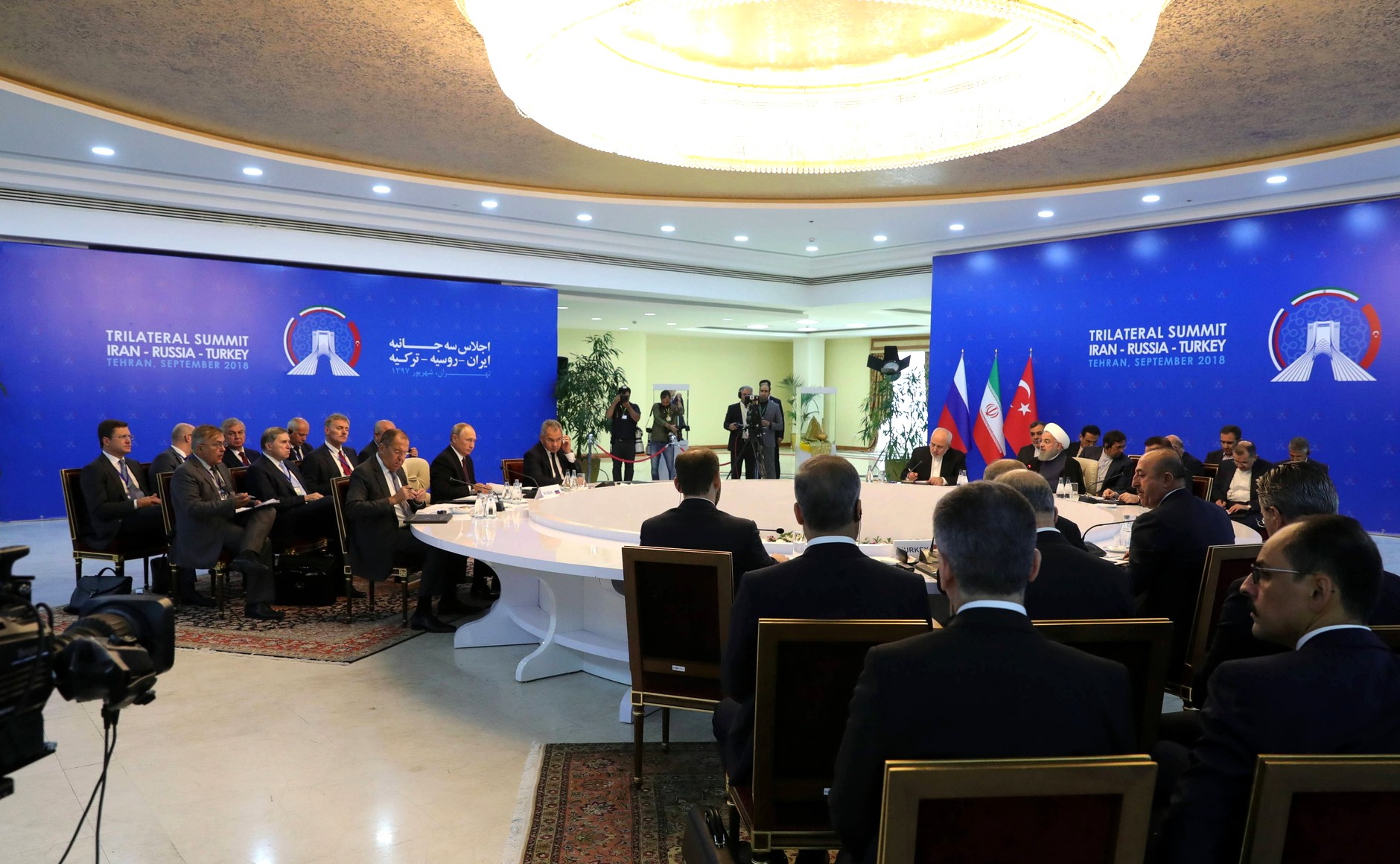

Quick Summary: Irans Pezeshkian Puts Pressure on U.s. to Revive Nuclear Deal
- Iranian President Pezeshkian announced at the SCO Summit that Iran will reciprocate if the U.S. returns to its commitments — this statement places the onus on the U.S. to act first.
- The June 17 memorandum is central to this issue — it was meant to de-escalate tensions and restart nuclear talks but has stalled.
- President Trump has increased sanctions and warned of a response to Iranian actions — this heightens tensions without a clear path to resolution.
- The 60-day deadline for the June memorandum expired in mid-August — no significant progress was made on nuclear talks or the Strait of Hormuz.
- Pezeshkian’s statement at the SCO Summit broadens the issue beyond U.S.-Iran relations — it highlights Iran’s efforts to align with non-Western powers.
Source: Open external resource
Source: Read original article
In a bold move, Iranian President Masoud Pezeshkian used the Shanghai Cooperation Organisation summit to declare that Iran stands ready to reciprocate if the U.S. returns to its commitments under a previously agreed memorandum. This announcement places the ball squarely in Washington’s court, amid escalating tensions and sanctions.
The memorandum, signed on June 17, was intended to de-escalate the U.S.-Iran conflict, ease sanctions, and open the Strait of Hormuz while nuclear negotiations continued. However, the 60-day deadline for these actions expired without significant progress, leaving the framework in limbo.
President Trump’s administration has responded with harsher sanctions and threats of retaliation, further complicating the situation. While the U.S. has ramped up economic pressure, Trump has stated that military responses are not off the table, though he stopped short of declaring a return to full-scale war.
Pezeshkian’s strategic use of the SCO Summit as a platform underscores Iran’s intent to strengthen ties with non-Western nations, such as China and Russia, thereby increasing pressure on the U.S. by showcasing alternative alliances.
The unfolding narrative is a complex web of diplomatic offers and threats. The world watches to see if Washington will respond with any rollback of sanctions or if Tehran’s challenge will remain unmet, further entrenching the stalemate.
So the apparent debate is not whether a framework exists, but whether either side believes the other has met the hard parts—sanctions relief, inspections, maritime access, and durable military restraint. modifies sanctions enforcement, whether further military retaliation follows Trump’s warning that “there will be a response,” and whether the June memorandum is revived in a form that restarts nuclear and maritime implementation.
Reports identify the framework as the June 17 understanding, and one account describes it as an interim deal signed in June. Associated Press previously reported that the arrangement carried a 60-day deadline for ending the war and reaching a broader accord on Iran’s nuclear program, and by mid-August that deadline was expiring with “no sign of any compromise on the strait” and no evidence detailed nuclear talks had fully begun.
” At the same time, Trump said there “will be a response” to Iranian attacks, but also told reporters the renewed strikes did not mean a return to full-scale war. But AP also reported there had been no breakthrough on the Strait of Hormuz, a waterway that carried roughly a fifth of the world’s traded oil and gas before the war.
The sharpest detail in the latest reporting is Pezeshkian’s wording: “I state clearly that if the United States returns to its commitments under the memorandum, the Islamic Republic of Iran will immediately reciprocate,” according to multiple reports quoting his SCO speech. Pezeshkian’s statement now lands after that 60-day process faltered, making his “immediately reciprocate” line look less like routine diplomacy and more like an attempt to revive a stalled framework without conceding first.
Treasury issued sanctions waivers allowing Iran to sell oil freely. Pezeshkian made the statement at the 26th SCO summit in Kyrgyzstan’s capital, using a multilateral stage that includes China, Russia, India and Central Asian states rather than a direct diplomatic channel with Washington.
Trump has stated that military responses are not off the table, though he stopped short of declaring a return to full-scale war. modifies sanctions enforcement, whether further military retaliation follows Trump’s warning that “there will be a response,” and whether the June memorandum is revived in a form that restarts nuclear and maritime implementation.
President Trump’s administration has responded with harsher sanctions and threats of retaliation, further complicating the situation. Reports identify the framework as the June 17 understanding, and one account describes it as an interim deal signed in June.
Associated Press previously reported that the arrangement carried a 60-day deadline for ending the war and reaching a broader accord on Iran’s nuclear program, and by mid-August that deadline was expiring with “no sign of any compromise on the strait” and no evidence detailed nuclear talks had fully begun. -Iran relations — it highlights Iran’s efforts to align with non-Western powers.
This announcement places the ball squarely in Washington’s court, amid escalating tensions and sanctions. ” At the same time, Trump said there “will be a response” to Iranian attacks, but also told reporters the renewed strikes did not mean a return to full-scale war.
The June 17 memorandum is central to this issue — it was meant to de-escalate tensions and restart nuclear talks but has stalled. The 60-day deadline for the June memorandum expired in mid-August — no significant progress was made on nuclear talks or the Strait of Hormuz.
The scale and speed of this development has caught many observers off guard. Each new update adds another dimension to a story that is still unfolding, and the full picture will only become clear as more verified details emerge from the people and institutions directly involved.
Analysts who have tracked this issue closely say the current moment represents a genuine turning point. The decisions made in the coming weeks are expected to set the direction for months ahead, with ripple effects likely to extend well beyond the immediate actors in the story.
For those directly affected, the practical impact is already visible. People navigating this fast-changing situation are dealing with real consequences while new information continues to reshape what is known and what remains open to interpretation.
Historical parallels offer some context, though experts caution against drawing too close a comparison. Similar situations have played out before, but the specific combination of pressures, personalities, and timing here makes this moment distinct in ways that matter for how it ultimately resolves.
The political and economic dimensions of this story are deeply intertwined. What appears as a single event on the surface is in practice the convergence of multiple pressures that have been building quietly over a longer period than most public reporting has captured.