


Quick Summary: Trumps Dallas Rally Poses Risk for Vulnerable Republicans
- Ron DeSantis endorsed Byron Donalds after a Primary snub — this move reframes GOP tensions as a turnout warning.
- Trump’s upcoming Midterm rally in Dallas creates a political risk calculation for vulnerable Republicans.
- Speaker Mike Johnson predicts a strong showing, but many Republicans are hesitant about decisions.
- Democrats are focusing on Haitian American voters in South Florida as a strategic counterweight.
- Melissa Rutland continues to outraise Lindsay Polega-Quigley in the House District 60 race.
Source: Open external resource
Source: Read original article
Florida politics is heating up with Ron DeSantis finally endorsing Byron Donalds in the Governor’s race, a move that shifts the narrative from a GOP feud to a strategic turnout warning. DeSantis’ endorsement comes after a conspicuous Primary snub, highlighting the tension within the party as they aim to consolidate power before November. Rally is at the center of this development.
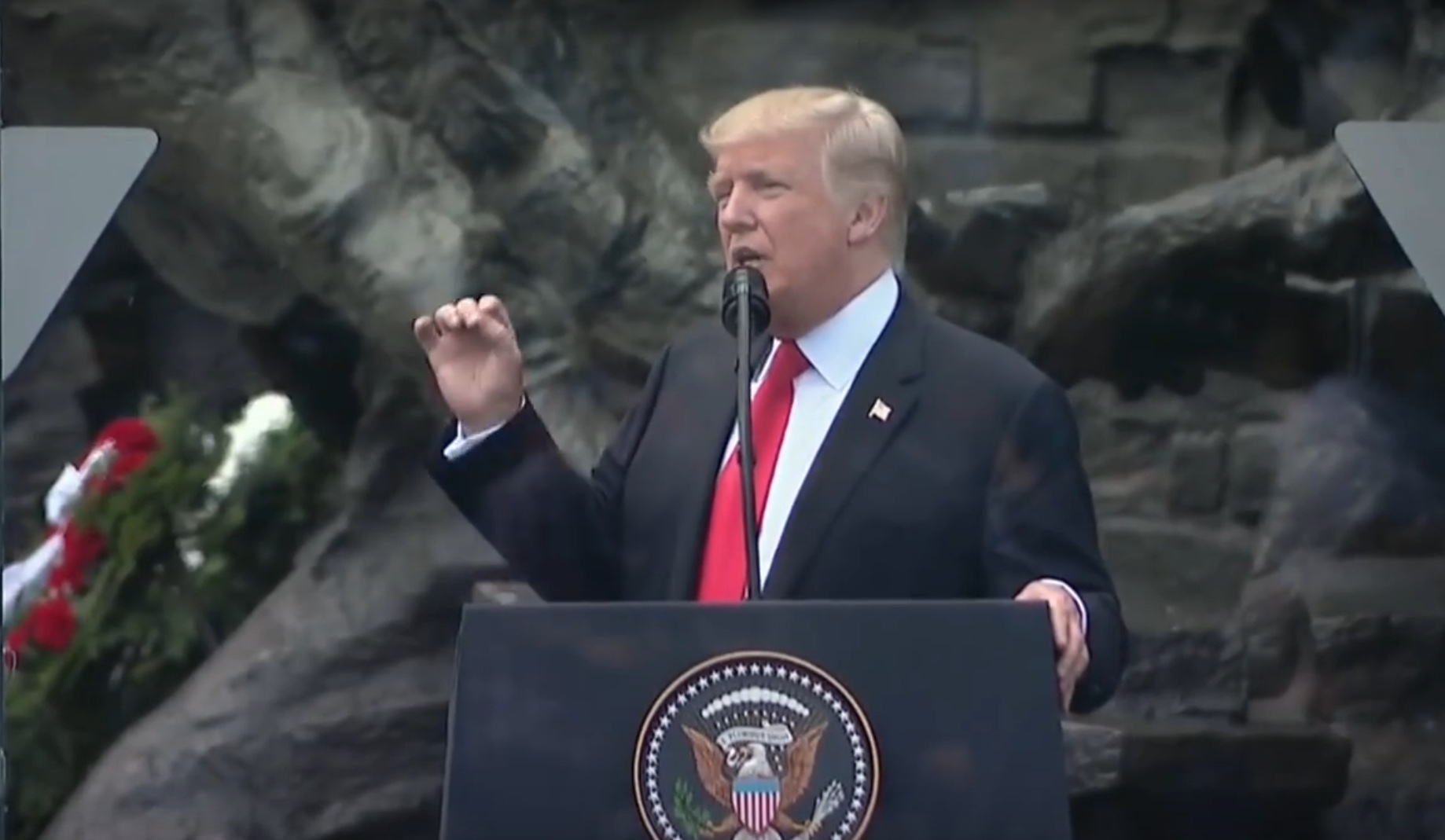
Meanwhile, Trump’s Midterm rally in Dallas is stirring anxiety among Republicans. Vulnerable candidates are weighing the benefits of appearing alongside Trump against the potential political fallout in competitive districts. This event is more than just a rally; it’s a litmus test for political confidence.
On the Democratic side, there’s a focused effort to mobilize Haitian American voters in South Florida. With Florida hosting the largest Haitian community in the U.S., this targeted outreach could tip the scales in closely contested races, countering the Republican registration advantage.
Adding to the political intrigue, Melissa Rutland’s fundraising success against Lindsay Polega-Quigley in House District 60 suggests a potential Republican pickup opportunity. This race underscores the broader uncertainty in Florida’s political landscape, where neither party can claim a definitive edge.
As the political calendar moves towards pivotal dates like the Dallas convention and upcoming ballot deadlines, both parties are strategically maneuvering to gain an advantage. The unfolding dynamics in Florida politics are a microcosm of national trends, where turnout strategies and niche mobilizations could determine the November outcomes.
There is also a smaller but politically telling campaign-finance note in the newsletter: Melissa Rutland is reported to be continuing to outraise Lindsay Polega-Quigley in the fight for House District 60. Ron DeSantis’ belated endorsement of Byron Donalds in Florida’s Governor’s race is the clearest headline-grabber in Thursday’s Sunburn, because it lands just after a conspicuous Primary snub and reframes the GOP’s biggest intraparty tension as a November turnout warning rather than an open feud.
Speaker Mike Johnson is predicting a strong showing, but the more revealing story is who is hedging, skipping, or slow-walking a decision. Trump is hosting a Midterm rally in Dallas, but vulnerable Republicans are treating attendance as a political risk calculation.
Donalds is now embracing several DeSantis-aligned themes, including support for continued immigration enforcement, backing for Amendment 3, and a push for more artificial-intelligence regulation. Sunburn says Donalds is promoting an “AI bill of rights” meant to protect children and parental control while leaving decisions about hyperscale data centers to local governments, a notable detail because it gives the campaign a concrete policy hook rather than just a symbolic endorsement photo-op.
9-10 Midterm convention in Dallas is exposing a different Republican anxiety: whether appearing beside Trump helps or hurts candidates in competitive territory. 10, and its attendance list is already being read as a proxy for political confidence or fear.
Democrats, meanwhile, are not pretending they can overpower the GOP everywhere; they are zeroing in on constituencies like Haitian American voters and defensive races like HD 60. 9-10, the ramp-up to ballot deadlines later this month, and the broader question of whether Republican turnout warnings and Democratic niche-mobilization efforts translate into actual November movement rather than just anxious September chatter.
26 – Florida Politics Ron DeSantis endorsed Byron Donalds after a Primary snub — this move reframes GOP tensions as a turnout warning. There is also a smaller but politically telling campaign-finance note in the newsletter: Melissa Rutland is reported to be continuing to outraise Lindsay Polega-Quigley in the fight for House District 60.
Ron DeSantis’ belated endorsement of Byron Donalds in Florida’s Governor’s race is the clearest headline-grabber in Thursday’s Sunburn, because it lands just after a conspicuous Primary snub and reframes the GOP’s biggest intraparty tension as a November turnout warning rather than an open feud. Trump’s upcoming Midterm rally in Dallas creates a political risk calculation for vulnerable Republicans.
Melissa Rutland continues to outraise Lindsay Polega-Quigley in the House District 60 race. Adding to the political intrigue, Melissa Rutland’s fundraising success against Lindsay Polega-Quigley in House District 60 suggests a potential Republican pickup opportunity.
The scale and speed of this development has caught many observers off guard. Each new update adds another dimension to a story that is still unfolding, and the full picture will only become clear as more verified details emerge from the people and institutions directly involved.
Analysts who have tracked this issue closely say the current moment represents a genuine turning point. The decisions made in the coming weeks are expected to set the direction for months ahead, with ripple effects likely to extend well beyond the immediate actors in the story.
For those directly affected, the practical impact is already visible. People navigating this fast-changing situation are dealing with real consequences while new information continues to reshape what is known and what remains open to interpretation.
Historical parallels offer some context, though experts caution against drawing too close a comparison. Similar situations have played out before, but the specific combination of pressures, personalities, and timing here makes this moment distinct in ways that matter for how it ultimately resolves.
The political and economic dimensions of this story are deeply intertwined. What appears as a single event on the surface is in practice the convergence of multiple pressures that have been building quietly over a longer period than most public reporting has captured.