


Quick Summary: Supreme Court Ruling Triggers U.s. Deportations Amid Haitis Crisis
- A deportation flight with over 100 people landed in Cap-Haïtien on September 3, 2026, marking an increase in flights to Haiti.
- Violence in Haiti has displaced nearly 1.5 million people, with over 3,050 killed from January to June, and 70% of Port-au-Prince controlled by armed groups.
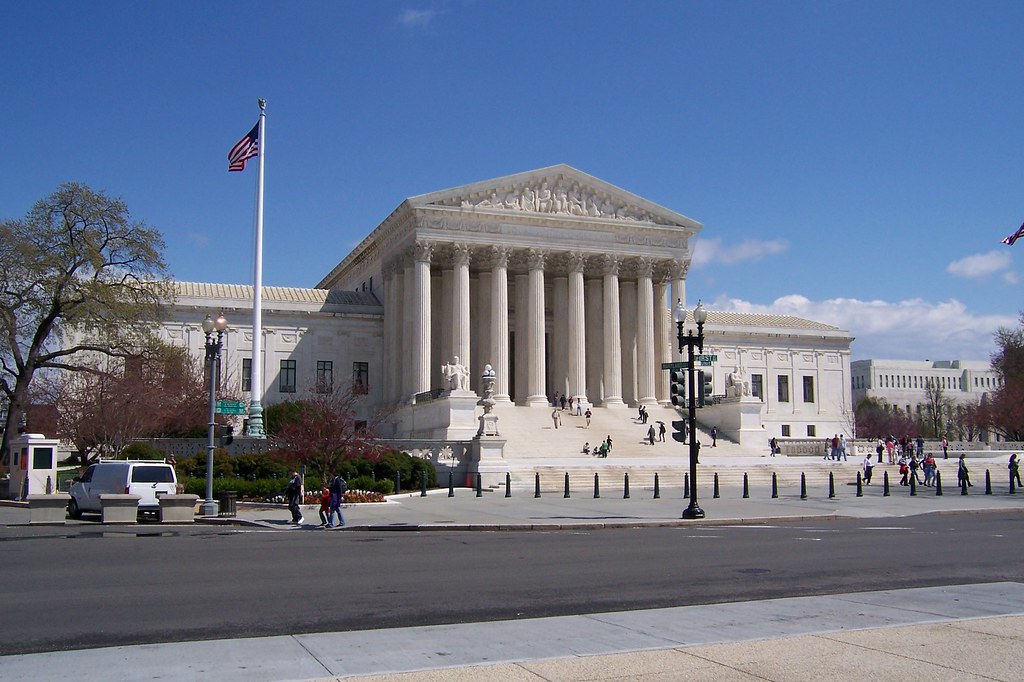
- The U.S. resumed deportations after a Supreme Court ruling in June and a district court decision in August.
- DHS Secretary defended the deportations, citing the criminal records of some deportees.
- Critics argue the U.S. is returning people to a country unable to protect them amidst escalating violence.
Source: Open external resource
Source: Read original article
The United States has ramped up deportations to Haiti, sending more than 100 people back to a country in turmoil. Despite the Federal Aviation Administration deeming Port-au-Prince too dangerous for normal flights, the U.S. government continues its enforcement efforts, highlighting a dissonance between policy and reality.
The deportation flights follow a Supreme Court decision in late June and a subsequent district court ruling in August that reopened the legal pathway for removals. The Department of Homeland Security has defended these actions, emphasizing the criminal backgrounds of some deportees. However, this stance has sparked outrage among critics who argue that the U.S. is sending people back to a nation where violence is rampant and the government cannot guarantee safety.
Haiti is grappling with severe gang violence, with armed groups controlling much of Port-au-Prince and recent attacks resulting in numerous deaths and kidnappings. The situation has led to increased scrutiny of U.S. deportation policies, especially as the FAA continues to restrict flights to the capital due to safety concerns.
As deportation flights continue, the debate intensifies over the ethical implications of returning individuals to such a volatile environment. The U.S. administration’s aggressive approach contrasts sharply with the humanitarian crisis on the ground, raising questions about the future of its immigration policies.
That follows an earlier August 20 flight that the Department of Homeland Security said carried 162 people after Haiti’s Temporary Protected Status protections were terminated. The next concrete date on the security side is March 2, 2027, when the FAA’s current flight ban on Port-au-Prince is set to expire unless renewed, a deadline that will serve as a blunt benchmark for whether conditions in Haiti have meaningfully improved or whether Washington is continuing deportations into a crisis it still officially recognizes in other ways.
deportation flight carrying more than 100 people landed Thursday, September 3, 2026, in Cap-Haïtien after departing Louisiana, part of what AP described as a ramp-up in flights to Haiti. 5 million people, more than 3,050 people were killed from January through June, and armed groups control an estimated 70% of Port-au-Prince.
The timing matters because on August 5 a federal judge in Washington lifted an order blocking deportations of Haitians on TPS, after a Supreme Court ruling in late June allowed the program to end. On August 27, reporting from Haiti described mounting anger at the National Police after a gang attack in Kenscoff killed 47 people and led to more than 50 kidnappings.
The legal pathway for deportations reopened with the late-June Supreme Court action and the August 5 district-court step, and DHS has already used that opening at least twice, on August 20 and again on September 3. ” DHS went further than most news reports by publicly identifying deportees it said were on the August 20 flight, including Mc Guyverson Jetin, Davidson Athis, Jean Daniel Henry, Alberto Derisme, Gregory Saintil, and Sebastien Sainvil, along with criminal allegations or convictions attached to each case.
flights, exposing a stark split between the administration’s enforcement push and conditions on the ground. In follow-up coverage this week, funerals were held for victims of that rampage, and another report said women and children were among those later released after a mass kidnapping.
5 million people, with over 3,050 killed from January to June, and 70% of Port-au-Prince controlled by armed groups. deportation flight carrying more than 100 people landed Thursday, September 3, 2026, in Cap-Haïtien after departing Louisiana, part of what AP described as a ramp-up in flights to Haiti.
5 million people, more than 3,050 people were killed from January through June, and armed groups control an estimated 70% of Port-au-Prince. Quick Summary: US deports more than 100 people to Haiti as gang violence persists – The Washington Post A deportation flight with over 100 people landed in Cap-Haïtien on September 3, 2026, marking an increase in flights to Haiti.
On August 27, reporting from Haiti described mounting anger at the National Police after a gang attack in Kenscoff killed 47 people and led to more than 50 kidnappings. The legal pathway for deportations reopened with the late-June Supreme Court action and the August 5 district-court step, and DHS has already used that opening at least twice, on August 20 and again on September 3.
government continues its enforcement efforts, highlighting a dissonance between policy and reality. The Department of Homeland Security has defended these actions, emphasizing the criminal backgrounds of some deportees.
administration’s aggressive approach contrasts sharply with the humanitarian crisis on the ground, raising questions about the future of its immigration policies. flights, exposing a stark split between the administration’s enforcement push and conditions on the ground.
The scale and speed of this development has caught many observers off guard. Each new update adds another dimension to a story that is still unfolding, and the full picture will only become clear as more verified details emerge from the people and institutions directly involved.
Analysts who have tracked this issue closely say the current moment represents a genuine turning point. The decisions made in the coming weeks are expected to set the direction for months ahead, with ripple effects likely to extend well beyond the immediate actors in the story.
For those directly affected, the practical impact is already visible. People navigating this fast-changing situation are dealing with real consequences while new information continues to reshape what is known and what remains open to interpretation.
Historical parallels offer some context, though experts caution against drawing too close a comparison. Similar situations have played out before, but the specific combination of pressures, personalities, and timing here makes this moment distinct in ways that matter for how it ultimately resolves.
The political and economic dimensions of this story are deeply intertwined. What appears as a single event on the surface is in practice the convergence of multiple pressures that have been building quietly over a longer period than most public reporting has captured.