


Quick Summary: BRICS Membership Boosts Indonesias Role in Global Economy
- Indonesia joined BRICS as a full member on January 6, 2025, marking a shift in Southeast Asia’s role in global affairs.
- BRICS aims to widen market access and technology transfer, directly linked to Indonesia’s goal of 8% GDP growth by 2029.
- ASEAN’s digital economy is projected to reach $1 trillion by 2030, with Indonesia contributing $366 billion.
- The ‘AI Ready ASEAN’ program aims to train 250,000 new digital talents, impacting 5.3 million beneficiaries since 2024.
- BRICS is positioned as a supplementary platform for growth, not a replacement for existing institutions.
Source: Open external resource
Source: Read original article
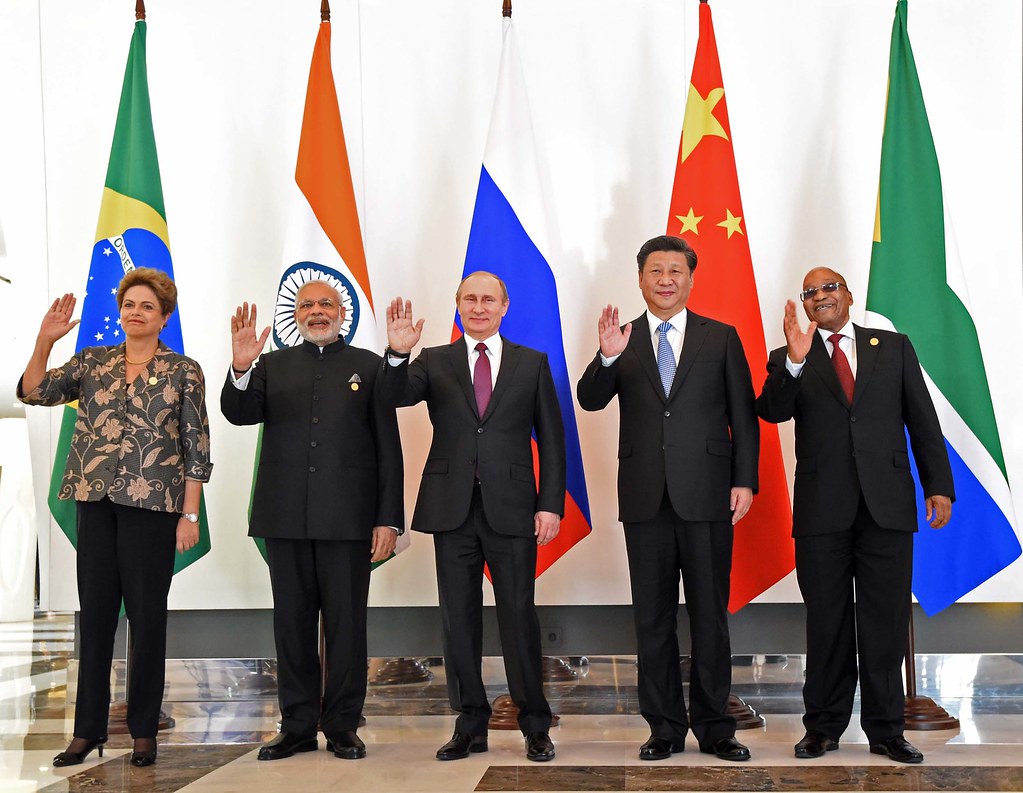
BRICS is no longer just a political symbol for the Global South; it’s a transformative force with Southeast Asia at the helm. Indonesia’s full membership in BRICS since January 2025 marks a pivotal shift, positioning the nation as a key player in shaping a multipolar world.
The bloc’s potential to widen market access and drive technology transfer is directly linked to Indonesia’s ambitious goal of achieving 8% GDP growth by 2029. This isn’t just rhetoric; it’s a concrete plan that aligns with President Prabowo Subianto’s economic targets.
ASEAN’s digital economy, projected to hit $1 trillion by 2030, underscores the region’s growing influence. Indonesia alone is expected to contribute $366 billion, thanks to initiatives like the ‘AI Ready ASEAN’ program, which aims to train 250,000 new digital talents.
BRICS is not attempting to replace existing global institutions but rather to supplement them, providing developing countries with more leverage and options. This dual role highlights the bloc’s strategic flexibility and potential for real impact.
As BRICS evolves, the focus will be on translating its narrative power into tangible institutional power, particularly in trade, payments, and investment flows. The coming years will reveal whether these ambitious targets can be met, solidifying the Global South’s role as principal architects of a new world order.
In a TV BRICS interview published on September 4, 2026, legal scholar Muhammad Reza Shariffudin Zaki said BRICS could widen access to markets, technology transfer, and job creation, then tied that directly to President Prabowo Subianto’s target of lifting Indonesia’s GDP growth to 8 percent by 2029. 3 million beneficiaries since 2024, according to Piti Srisangnam.
Based on the latest reporting, the next phase of this story will be judged less by slogans about multipolarity than by whether targets like 8 percent growth by 2029, 250,000 new AI-trained talents, and deeper market access start producing visible results. TV BRICS’ own background coverage says BRICS now comprises 10 countries, and that Indonesia joined as a full member on January 6, 2025, becoming the first Southeast Asian state in the bloc.
In a June 6, 2026 TV BRICS report on AI cooperation, ASEAN’s digital economy was projected to reach US$1 trillion by 2030, with Indonesia expected to contribute about US$366 billion, or more than one-third of that total. There are also hard numbers in adjacent current reporting involving Piti himself that reinforce why ASEAN voices are talking more assertively about Global South agency.
As for timeline, the most relevant movement over the past seven days is TV BRICS’ September 1 to September 4 run of coverage spotlighting BRICS governance, Indonesia’s regional role, and new economic framing, culminating in the September 4 expert interview on growth and investment. The surprising twist in the latest reporting is that this argument is being articulated not only by traditional BRICS insiders, but by ASEAN-linked voices and Southeast Asian experts who increasingly present the bloc as compatible with ASEAN centrality rather than a rival to it.
The main organizations and figures in this cluster of reporting are TV BRICS as the publisher and platform, the ASEAN Foundation through Piti Srisangnam as a regional voice, Indonesia as the key Southeast Asian BRICS member, and President Prabowo Subianto as the political figure whose economic targets give the story urgency. The most important substantive development in the available reporting is the way Indonesia’s BRICS role is being linked to measurable economic ambitions.
The bloc’s potential to widen market access and drive technology transfer is directly linked to Indonesia’s ambitious goal of achieving 8% GDP growth by 2029. 3 million beneficiaries since 2024, according to Piti Srisangnam.
ASEAN’s digital economy is projected to reach $1 trillion by 2030, with Indonesia contributing $366 billion. Indonesia’s full membership in BRICS since January 2025 marks a pivotal shift, positioning the nation as a key player in shaping a multipolar world.
The scale and speed of this development has caught many observers off guard. Each new update adds another dimension to a story that is still unfolding, and the full picture will only become clear as more verified details emerge from the people and institutions directly involved.
Analysts who have tracked this issue closely say the current moment represents a genuine turning point. The decisions made in the coming weeks are expected to set the direction for months ahead, with ripple effects likely to extend well beyond the immediate actors in the story.
For those directly affected, the practical impact is already visible. People navigating this fast-changing situation are dealing with real consequences while new information continues to reshape what is known and what remains open to interpretation.
Historical parallels offer some context, though experts caution against drawing too close a comparison. Similar situations have played out before, but the specific combination of pressures, personalities, and timing here makes this moment distinct in ways that matter for how it ultimately resolves.
The political and economic dimensions of this story are deeply intertwined. What appears as a single event on the surface is in practice the convergence of multiple pressures that have been building quietly over a longer period than most public reporting has captured.