


Quick Summary: Houthi Strikes on Saudi Cities Leave 73 Wounded, Escalate Regional Tensions
- Houthi strikes on Saudi cities wounded 73 people — the attacks have reignited regional tensions.
- Saudi officials reported strikes on Abha, Jazan, Najran, and Khamis Mushait — key economic sites were targeted.
- U.S. Secretary of State Marco Rubio labeled the Houthis as “agents and proxies” of Iran — highlighting international implications.
- Analysts see this as a turning point — the conflict is now a broader regional issue involving Iran.
- The violence has ended a four-year truce — the Houthis are advancing toward strategic maritime routes.
Source: Open external resource
Source: Read original article
The Middle East is once again on the brink of wider conflict as Houthi forces launched a series of damaging strikes on Saudi cities, injuring 73 people and targeting crucial economic sites. This escalation has shattered a fragile truce, pushing the region into a new phase of tension.
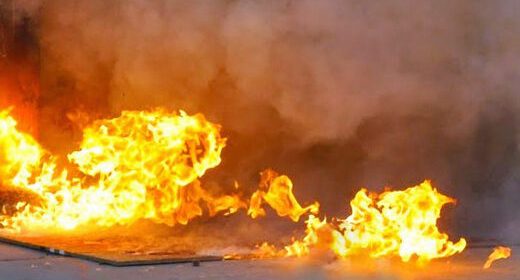
Saudi Arabia reported that the strikes hit civilian and economic facilities in Abha, Jazan, Najran, and Khamis Mushait, igniting fires and causing significant damage. These attacks are not isolated incidents but part of a coordinated effort involving Iranian-backed militias, signaling a broader regional campaign.
The U.S. has taken notice, with Secretary of State Marco Rubio calling the Houthis “agents and proxies” of Iran. This statement underscores the international dimension of the conflict, as the U.S. and its allies consider their next moves in response to the expanding proxy war.
Analysts are calling this a genuine turning point. The Houthis’ ability to strike deep into Saudi territory and their coordination with other Iranian proxies highlight the growing complexity of the conflict. The situation along strategic maritime routes like the Bab al-Mandeb Strait adds another layer of urgency.
The unfolding events are a stark reminder of the volatility in the Middle East. As Saudi Arabia and its allies weigh their options, the potential for further escalation looms large. The decisions made in the coming weeks will have lasting implications, not just for the immediate region but for global security.
Secretary of State Marco Rubio, asked about the attacks that wounded dozens in Saudi Arabia, said Washington was watching “very closely” and called the Houthis “agents and proxies” of Iran. The most concrete new fact in the latest reporting is the casualty and target count from Tuesday’s attacks: Saudi authorities said Houthi strikes hit “civilian and economic facilities” in Abha, Jazan, Najran and Khamis Mushait, igniting fires at oil facilities and utilities and wounding 73 people, including women and children.
The central conflict driving the story is no longer just Saudi Arabia versus the Houthis, but a three-layer fight involving the Houthis, the Saudi-backed Yemeni government, and Iran’s wider proxy architecture. At nearly the same time, Yemeni government-aligned forces were battling Houthi offensives around Taiz, Hodeidah and the route toward Mocha and the Bab al-Mandeb Strait, an economically sensitive maritime chokepoint.
AP reported that one of the sites named was Jazan City for Primary and Downstream Industries, a major logistics and industrial hub on the Red Sea coast, making this more than a symbolic border attack and turning it into a direct hit on infrastructure tied to the Saudi economy. AP and follow-on regional coverage say the new attacks came just hours after the Houthis blamed Saudi Arabia for a prison strike in Yemen’s Jawf province that killed 7 people, including a child, on September 7.
Current reporting says the violence has effectively shattered a four-year truce-era calm, and Al Jazeera’s synthesis of AP and regional reporting notes that the Houthis had recently been advancing toward al-Makha and the Bab al-Mandeb corridor before government counteroffensives began. What happens next is likely to center on whether Saudi Arabia answers with larger direct strikes, whether Yemeni government forces can hold the fronts near Taiz and the Red Sea coast, and whether Washington treats the Houthis as a more explicit arm of Iran’s regional campaign.
and regional officials now describe tighter coordination between the Houthis and other Iran-backed militias. What makes the story stand out now is the apparent escalation in organization behind it.
Saudi officials reported strikes on Abha, Jazan, Najran, and Khamis Mushait — key economic sites were targeted. At nearly the same time, Yemeni government-aligned forces were battling Houthi offensives around Taiz, Hodeidah and the route toward Mocha and the Bab al-Mandeb Strait, an economically sensitive maritime chokepoint.
Secretary of State Marco Rubio labeled the Houthis as “agents and proxies” of Iran — highlighting international implications. has taken notice, with Secretary of State Marco Rubio calling the Houthis “agents and proxies” of Iran.
AP and follow-on regional coverage say the new attacks came just hours after the Houthis blamed Saudi Arabia for a prison strike in Yemen’s Jawf province that killed 7 people, including a child, on September 7. Current reporting says the violence has effectively shattered a four-year truce-era calm, and Al Jazeera’s synthesis of AP and regional reporting notes that the Houthis had recently been advancing toward al-Makha and the Bab al-Mandeb corridor before government counteroffensives began.
Analysts see this as a turning point — the conflict is now a broader regional issue involving Iran. The violence has ended a four-year truce — the Houthis are advancing toward strategic maritime routes.
The scale and speed of this development has caught many observers off guard. Each new update adds another dimension to a story that is still unfolding, and the full picture will only become clear as more verified details emerge from the people and institutions directly involved.
Analysts who have tracked this issue closely say the current moment represents a genuine turning point. The decisions made in the coming weeks are expected to set the direction for months ahead, with ripple effects likely to extend well beyond the immediate actors in the story.
For those directly affected, the practical impact is already visible. People navigating this fast-changing situation are dealing with real consequences while new information continues to reshape what is known and what remains open to interpretation.
Historical parallels offer some context, though experts caution against drawing too close a comparison. Similar situations have played out before, but the specific combination of pressures, personalities, and timing here makes this moment distinct in ways that matter for how it ultimately resolves.
The political and economic dimensions of this story are deeply intertwined. What appears as a single event on the surface is in practice the convergence of multiple pressures that have been building quietly over a longer period than most public reporting has captured.