


Quick Summary: Iran Tensions Escalate as U.s. Threatens Oil Fleet
- Trump’s advisers privately warned the Iran conflict could last until January 2029, contradicting his public stance.
- On September 8, the Trump administration imposed sanctions on over two dozen airlines linked to Iran, escalating economic isolation efforts.
- Trump acknowledged on September 9 that oil prices affected by the conflict might remain high until after midterms.
- Military threats to Iran’s oil fleet highlight the conflict’s impact on energy infrastructure and political tensions in Washington.
- Advisers aim to contain the conflict before November elections, fearing political fallout from prolonged engagement.
Source: Open external resource
Source: Read original article
In a dramatic shift from public rhetoric, President Trump’s top advisers have privately warned him that the conflict with Iran could extend through the remainder of his presidency. This internal acknowledgment starkly contrasts with Trump’s public assurances of a swift resolution, revealing a deepening divide between political messaging and military realities.
On September 8, the administration ramped up economic pressure by sanctioning over two dozen airlines connected to Iran, aiming to tighten Tehran’s economic isolation. Yet, this approach risks further escalation, as Treasury Secretary Scott Bessent cautioned that such measures might provoke Iran into military retaliation.
Adding to the complexity, Trump candidly admitted that oil prices, spiked by the conflict, are unlikely to drop before the midterm elections. This admission underscores the broader economic and political stakes, as fuel costs become a volatile issue in Washington.
The administration’s dual strategy of military force and economic sanctions appears to be prolonging the crisis rather than resolving it. With midterm elections looming, the White House is caught between the need for political stability and the unpredictable dynamics of a potentially open-ended conflict.
The most important new revelation in the latest reporting is that Vice President JD Vance and Secretary of State Marco Rubio were among the senior officials who warned Trump behind closed doors that the war with Iran may extend to January 2029, according to a Wall Street Journal account cited by Reuters on September 9. Reuters previously reported, citing a late-August Reuters/Ipsos poll, that only 31% of Americans approve of the war while 63% disapprove, a gap that helps explain why aides are trying to prevent further escalation before voting.
On September 8, the Trump administration imposed sanctions on more than two dozen commercial and private airlines tied to Iran’s aviation sector, according to AP, widening efforts to isolate Tehran economically. Axios reported on September 3 that national security experts were warning about low weapons inventories as the Iran war stretched into its sixth month, even though Trump dismissed reports of a munitions shortage as “actually treasonous” and inaccurate.
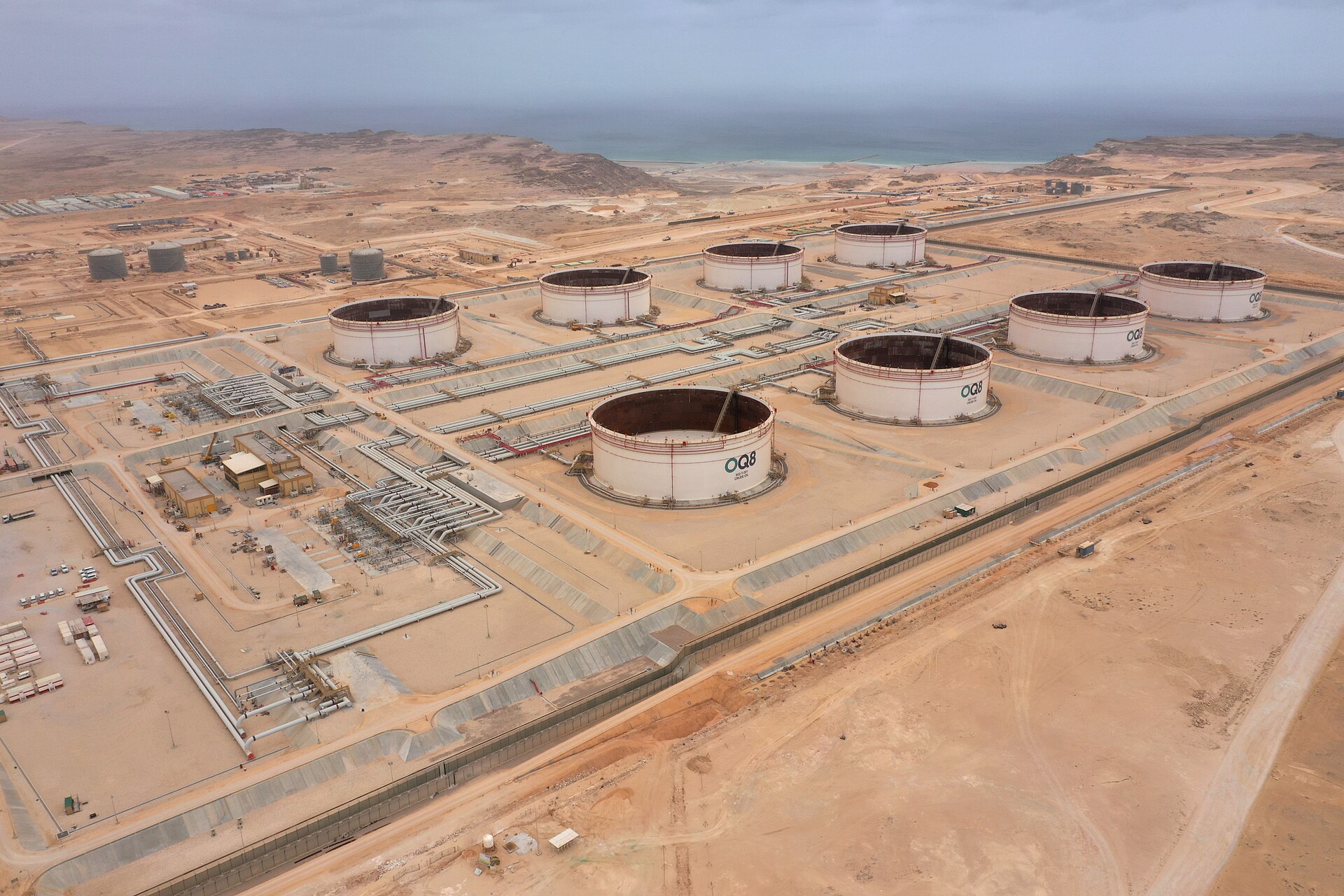
On September 9, AP reported Trump himself acknowledged the economic pain, saying oil prices that jumped because of the Iran war likely would not come down until after the midterms, an unusually candid admission for a president still publicly minimizing the duration of the conflict. The military warning that it would, if necessary, destroy Iran’s “limited and exposed oil fleet” signaled that the conflict is touching not just military assets but energy infrastructure, which helps explain why oil and gasoline have become politically explosive in Washington.
On September 2, Reuters reported aides wanted to keep the war contained before November. The internal warning lands as the war has already entered roughly its seventh month, with Reuters previously reporting on September 2 that White House aides were trying to keep the conflict “quiet” until after the November midterm elections to limit political damage.
Yet Reuters had already reported that Treasury Secretary Scott Bessent warned the pressure campaign itself could cause Iran to “lash out militarily,” a striking acknowledgment that sanctions and deterrence may be feeding the same escalation they are meant to stop. On September 4, Axios reported postwar planning.
com Trump’s advisers privately warned the Iran conflict could last until January 2029, contradicting his public stance. Reuters previously reported, citing a late-August Reuters/Ipsos poll, that only 31% of Americans approve of the war while 63% disapprove, a gap that helps explain why aides are trying to prevent further escalation before voting.
On September 8, the Trump administration imposed sanctions on over two dozen airlines linked to Iran, escalating economic isolation efforts. In a dramatic shift from public rhetoric, President Trump’s top advisers have privately warned him that the conflict with Iran could extend through the remainder of his presidency.
The military warning that it would, if necessary, destroy Iran’s “limited and exposed oil fleet” signaled that the conflict is touching not just military assets but energy infrastructure, which helps explain why oil and gasoline have become politically explosive in Washington. On September 2, Reuters reported aides wanted to keep the war contained before November.
The scale and speed of this development has caught many observers off guard. Each new update adds another dimension to a story that is still unfolding, and the full picture will only become clear as more verified details emerge from the people and institutions directly involved.
Analysts who have tracked this issue closely say the current moment represents a genuine turning point. The decisions made in the coming weeks are expected to set the direction for months ahead, with ripple effects likely to extend well beyond the immediate actors in the story.
For those directly affected, the practical impact is already visible. People navigating this fast-changing situation are dealing with real consequences while new information continues to reshape what is known and what remains open to interpretation.
Historical parallels offer some context, though experts caution against drawing too close a comparison. Similar situations have played out before, but the specific combination of pressures, personalities, and timing here makes this moment distinct in ways that matter for how it ultimately resolves.
The political and economic dimensions of this story are deeply intertwined. What appears as a single event on the surface is in practice the convergence of multiple pressures that have been building quietly over a longer period than most public reporting has captured.