


midterms: Key Takeaways
Quick Summary: Trumps Influence Persists Amid Growing Voter Distrust in Elections
- A new AP-NORC/USAFacts poll reveals deep mistrust in campaign messaging and federal election information, as reported on September 9 and 10, 2026.
- Only 45% of Americans believe the 2026 midterms will be conducted fairly, according to a YouGov survey reported by Axios.
- Just one-quarter of Democrats and Republicans trust their own party’s campaign messages to be factual.
- Almost half of U.S. adults are concerned about potential federal government interference in election results.
- Donald Trump continues to dominate the Republican narrative, urging voters to support him, despite declining trust.
Source: Open external resource
Source: Read original article
As the 2026 midterms approach, a new wave of skepticism is sweeping across the American electorate. A striking AP-NORC/USAFacts poll has revealed that trust in campaign messaging and federal election information is alarmingly low. This isn’t just a partisan issue—both Democrats and Republicans are struggling to convince their own bases of their honesty.
The numbers are telling. Only 45% of Americans are confident that the upcoming midterms will be fair, according to a separate YouGov survey. This lack of confidence is compounded by the fact that nearly half of U.S. adults are extremely or very concerned about possible federal interference in election results.
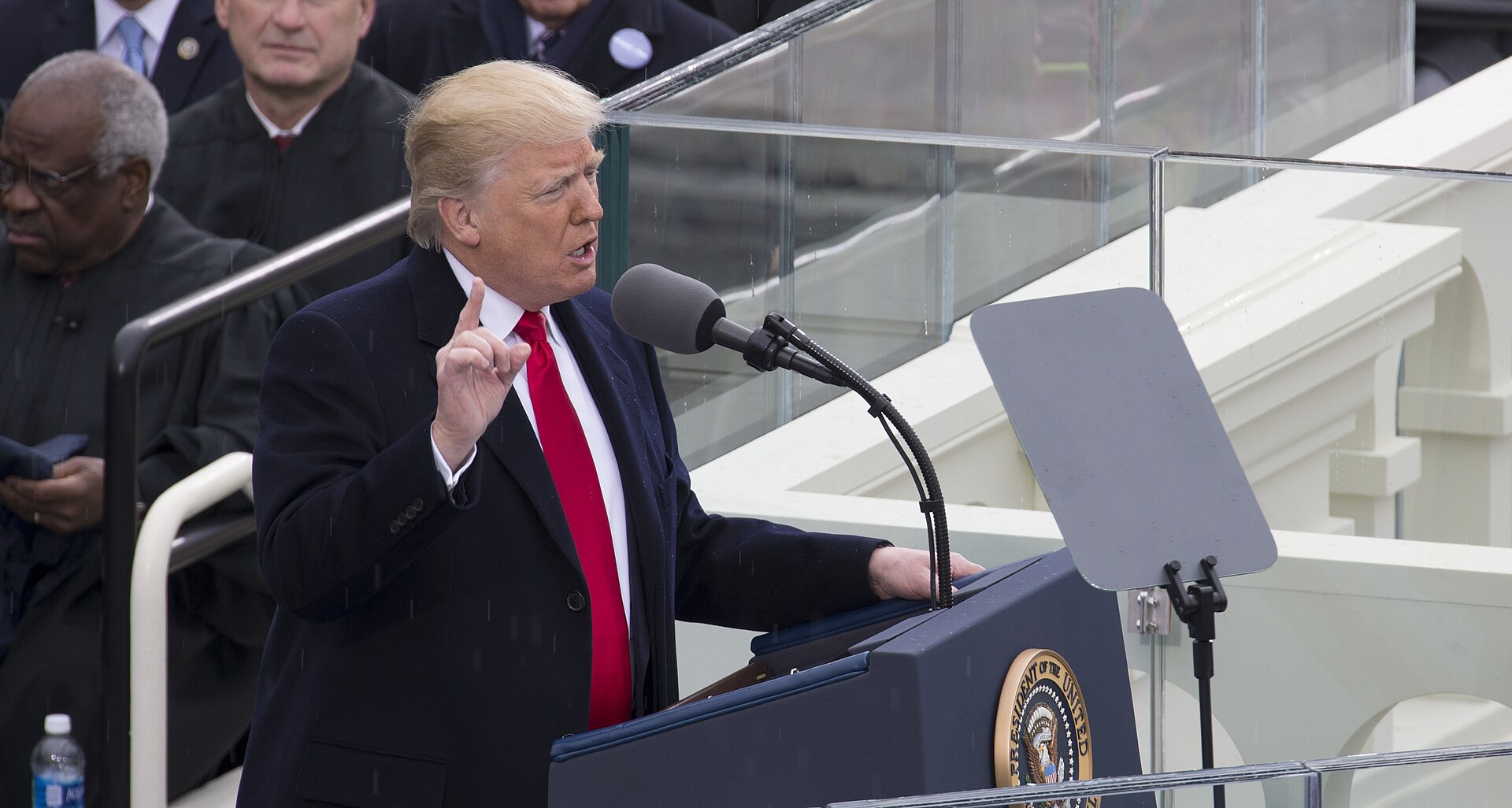
Donald Trump remains a central figure in this narrative, continuing to push his influence within the Republican Party. At a recent convention in Dallas, he rallied supporters with promises that many find questionable, such as a pledge to give every U.S. adult $5,000 if Republicans win. Yet, trust in his message is waning.
What we’re witnessing is a deep-seated distrust that extends beyond party lines, affecting both the campaigns and the very institutions meant to uphold democracy. With only weeks left before Election Day, the challenge for both parties is not just to win votes but to restore enough faith in the system to ensure the legitimacy of the results.
The Associated Press reported that majorities now say they have little or no trust in federal government information about elections and politics, foreign affairs, or the environment, and that this mistrust is worse than in 2024 and higher than at the end of Trump’s first term. On September 9, Axios reported that a separate YouGov survey found only 45% of Americans think the 2026 midterms will be conducted fairly, while more than half either think they will not be fair or are unsure.
The immediate next markers are the remaining weeks of the midterm campaign, continued legal and political fights over election administration, and whatever additional polling emerges before Election Day on November 3, 2026. A striking new AP-NORC/USAFacts poll has turned what might have been a routine midterm mood story into something sharper: as of reporting published September 9 and 10, 2026, Americans are not just skeptical of the other party or of Donald Trump, but deeply mistrustful of campaign messaging and even federal information about elections itself.
AP reported on September 10 that at a Republican midterm convention in Dallas he urged voters, “I’m asking you to let us finish the job,” while speakers built the event almost entirely around him. adults are “extremely” or “very” concerned that the federal government could publicly discredit or question election results, tamper with results, or pressure state officials on certification and reporting.
There is also a notable twist in the way the data cuts across party lines. It suggests the real contest may be over turnout and perceived legitimacy rather than persuasion, especially when distrust now extends to official information channels as well as partisan ads and stump speeches.
The clearest revelation in the latest reporting is how broad the distrust has become. In one of the most telling findings, only about one-quarter of Democrats say they trust their own party’s campaign messages to be factual at least “often,” and a similar share of Republicans say the same about their own party.
Only 45% of Americans are confident that the upcoming midterms will be fair, according to a separate YouGov survey. On September 9, Axios reported that a separate YouGov survey found only 45% of Americans think the 2026 midterms will be conducted fairly, while more than half either think they will not be fair or are unsure.
A striking new AP-NORC/USAFacts poll has turned what might have been a routine midterm mood story into something sharper: as of reporting published September 9 and 10, 2026, Americans are not just skeptical of the other party or of Donald Trump, but deeply mistrustful of campaign messaging and even federal information about elections itself. As the 2026 midterms approach, a new wave of skepticism is sweeping across the American electorate.
A striking AP-NORC/USAFacts poll has revealed that trust in campaign messaging and federal election information is alarmingly low. adults are “extremely” or “very” concerned that the federal government could publicly discredit or question election results, tamper with results, or pressure state officials on certification and reporting.
Just one-quarter of Democrats and Republicans trust their own party’s campaign messages to be factual. Donald Trump continues to dominate the Republican narrative, urging voters to support him, despite declining trust.
The scale and speed of this development has caught many observers off guard. Each new update adds another dimension to a story that is still unfolding, and the full picture will only become clear as more verified details emerge from the people and institutions directly involved.
Analysts who have tracked this issue closely say the current moment represents a genuine turning point. The decisions made in the coming weeks are expected to set the direction for months ahead, with ripple effects likely to extend well beyond the immediate actors in the story.
For those directly affected, the practical impact is already visible. People navigating this fast-changing situation are dealing with real consequences while new information continues to reshape what is known and what remains open to interpretation.
Historical parallels offer some context, though experts caution against drawing too close a comparison. Similar situations have played out before, but the specific combination of pressures, personalities, and timing here makes this moment distinct in ways that matter for how it ultimately resolves.
The political and economic dimensions of this story are deeply intertwined. What appears as a single event on the surface is in practice the convergence of multiple pressures that have been building quietly over a longer period than most public reporting has captured.