

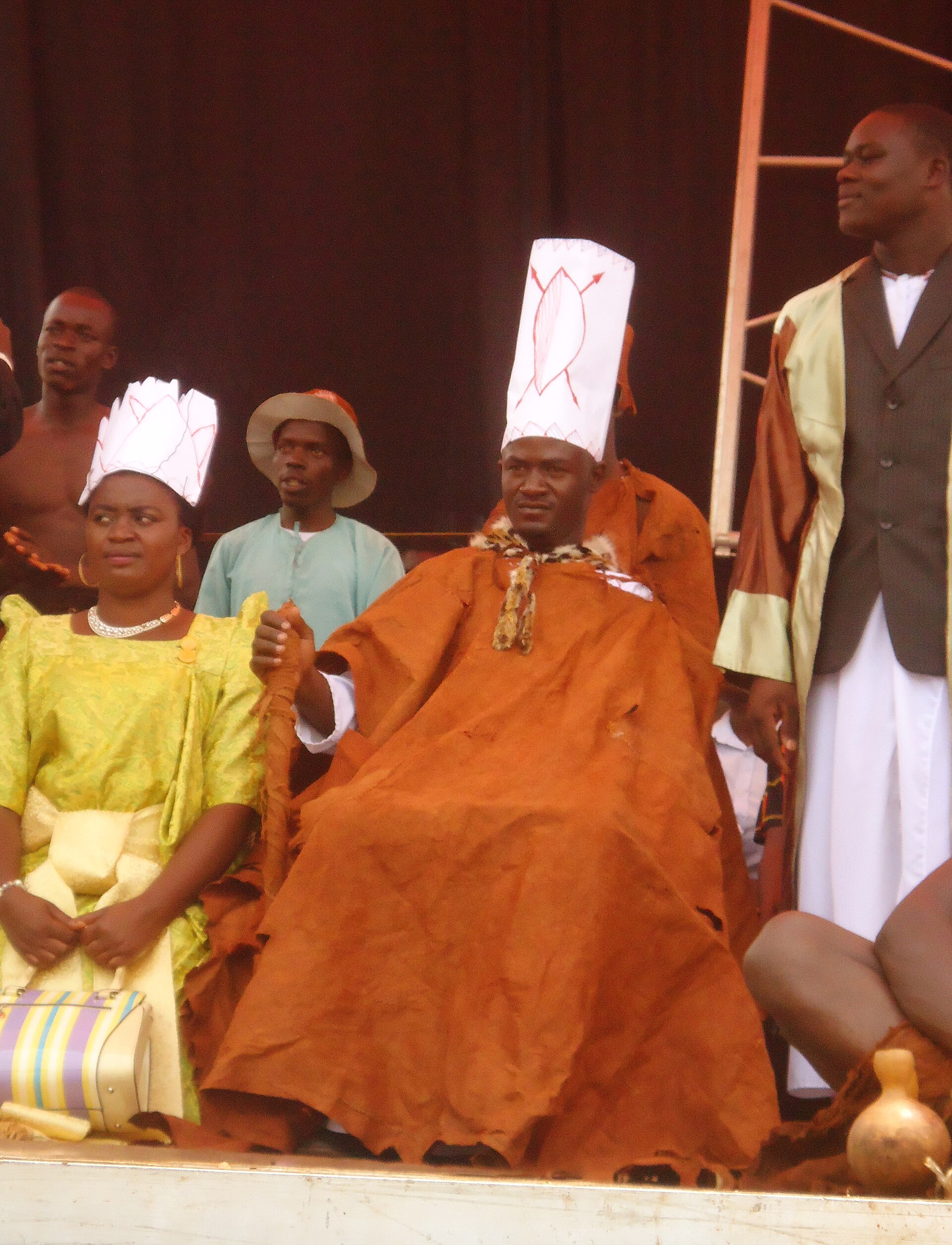

Quick Summary: Ugandas Tooro Kingdom Faces Unresolved Succession Crisis Amid King Oyos Burial
- Tooro’s prime minister announced a prince as heir on August 27, but clan elders resisted the claim.
- By September 11, urgent talks involved the royal family, clan, and central government.
- King Oyo’s burial on September 12 proceeded without resolving who would perform successor-only rites.
- On September 4, Oyo’s body was returned to Uganda with President Museveni attending the ceremonies.
- The succession committee named Edward Rukidi Kijanangoma as crown prince, sparking family rejection.
Source: Open external resource
Source: Read original article
The death of Uganda’s young monarch, King Oyo, has thrown the Tooro Kingdom into a fierce succession battle, revealing deep rifts within the royal family and the kingdom’s traditions. As the nation prepared to lay their ‘boy king’ to rest, a storm of controversy over his successor brewed, threatening to overshadow the solemnity of his funeral.
King Oyo’s untimely death at 34 has left a power vacuum filled with uncertainty and intrigue. The kingdom’s prime minister claimed a secret heir would be revealed, but this assertion was quickly challenged by clan elders, igniting a debate that has gripped the nation. On one side, the late king’s will supposedly names a son as successor, a revelation that has shocked many, as the existence of this heir was previously unknown.
The urgency of the situation is underscored by the need for a new king to perform specific burial rites, a requirement that has added pressure to the already tense negotiations. The succession committee’s decision to appoint Edward Rukidi Kijanangoma as the new crown prince has been met with fierce opposition from King Oyo’s family, who insist the will should dictate the succession.
As the funeral proceedings began on September 12, the lack of a clear successor only heightened the drama. The involvement of Uganda’s central government in the talks underscores the significance of the succession not just for the Tooro Kingdom but for the broader political landscape. The outcome of this battle could set a precedent for how traditional monarchies navigate modern legal frameworks and family dynamics.
The unfolding events in Uganda highlight a clash between tradition and modernity, with the future of the Tooro Kingdom hanging in the balance. Whether the succession will be determined by the late king’s will or by customary procedures remains to be seen, but one thing is clear: the resolution of this crisis will have lasting implications for the kingdom and its people.
Tooro’s prime minister, Calvin Armstrong Rwomiire Akiiki, disclosed on August 27 that “His majesty leaves behind a prince as his heir, whose identity will be formally revealed at the appropriate time,” but that claim immediately ran into resistance from clan elders and other insiders. Reuters also reported that another source with knowledge of the matter said the government was pressuring Queen Kemigisa to accept the committee’s decision.
Oyo became king in 1995 at age 3 and died at 34 after a 31-year reign; his burial on September 12 was scheduled to coincide with the 31st anniversary of his coronation. By September 11, last-ditch talks were underway involving the royal family, the clan and the central government.
Uganda’s most important new turn is that King Oyo’s burial was underway on Saturday, September 12, even as the Tooro Kingdom still had not publicly settled the explosive question of who will perform the successor-only funeral rites, leaving a royal funeral and a succession crisis to collide in real time. On September 4, Oyo’s body was returned to Uganda and received in ceremonies that included President Yoweri Museveni.
” He said the kingdom “must have a new king by the time of burial to perform rituals that are reserved for the successor monarch,” but declined to say what would happen if no agreement was reached. AP reported that tens of thousands of mourners were expected in Fort Portal, while Reuters described thousands already arriving this week.
AP’s latest reporting says it was “not clear who would perform this rite” and that the succession question could end up before judges because the family says the will was disregarded. But that same day Oyo’s sister, Princess Ruth Komuntale, said the family rejected the choice because the late king’s will directed that a son, whose existence had not been publicly known before Oyo’s death, should inherit the throne.
By September 11, urgent talks involved the royal family, clan, and central government. King Oyo’s burial on September 12 proceeded without resolving who would perform successor-only rites.
The kingdom’s prime minister claimed a secret heir would be revealed, but this assertion was quickly challenged by clan elders, igniting a debate that has gripped the nation. By September 11, last-ditch talks were underway involving the royal family, the clan and the central government.
On September 4, Oyo’s body was returned to Uganda with President Museveni attending the ceremonies. Uganda’s most important new turn is that King Oyo’s burial was underway on Saturday, September 12, even as the Tooro Kingdom still had not publicly settled the explosive question of who will perform the successor-only funeral rites, leaving a royal funeral and a succession crisis to collide in real time.
On September 4, Oyo’s body was returned to Uganda and received in ceremonies that included President Yoweri Museveni. The succession committee’s decision to appoint Edward Rukidi Kijanangoma as the new crown prince has been met with fierce opposition from King Oyo’s family, who insist the will should dictate the succession.
The scale and speed of this development has caught many observers off guard. Each new update adds another dimension to a story that is still unfolding, and the full picture will only become clear as more verified details emerge from the people and institutions directly involved.
Analysts who have tracked this issue closely say the current moment represents a genuine turning point. The decisions made in the coming weeks are expected to set the direction for months ahead, with ripple effects likely to extend well beyond the immediate actors in the story.
For those directly affected, the practical impact is already visible. People navigating this fast-changing situation are dealing with real consequences while new information continues to reshape what is known and what remains open to interpretation.
Historical parallels offer some context, though experts caution against drawing too close a comparison. Similar situations have played out before, but the specific combination of pressures, personalities, and timing here makes this moment distinct in ways that matter for how it ultimately resolves.
The political and economic dimensions of this story are deeply intertwined. What appears as a single event on the surface is in practice the convergence of multiple pressures that have been building quietly over a longer period than most public reporting has captured.