


Quick Summary: Supreme Court Blocks Trumps Mail Ballot Restrictions Before Midterms
- Trump’s March 31, 2026 executive order aimed to overhaul mail voting by requiring federal markings and a USPS-linked system.
- On September 14, the Supreme Court rejected Trump’s attempt to enforce mail ballot restrictions before the midterms.
- The decision is temporary, allowing midterms to proceed under current rules while litigation continues.
- Democratic-led states argue the order represents a federal takeover of election mechanics.
- Earlier, a court stay on August 24 briefly allowed parts of the order, but this was reversed as deadlines approached.
Source: Open external resource
Source: Read original article
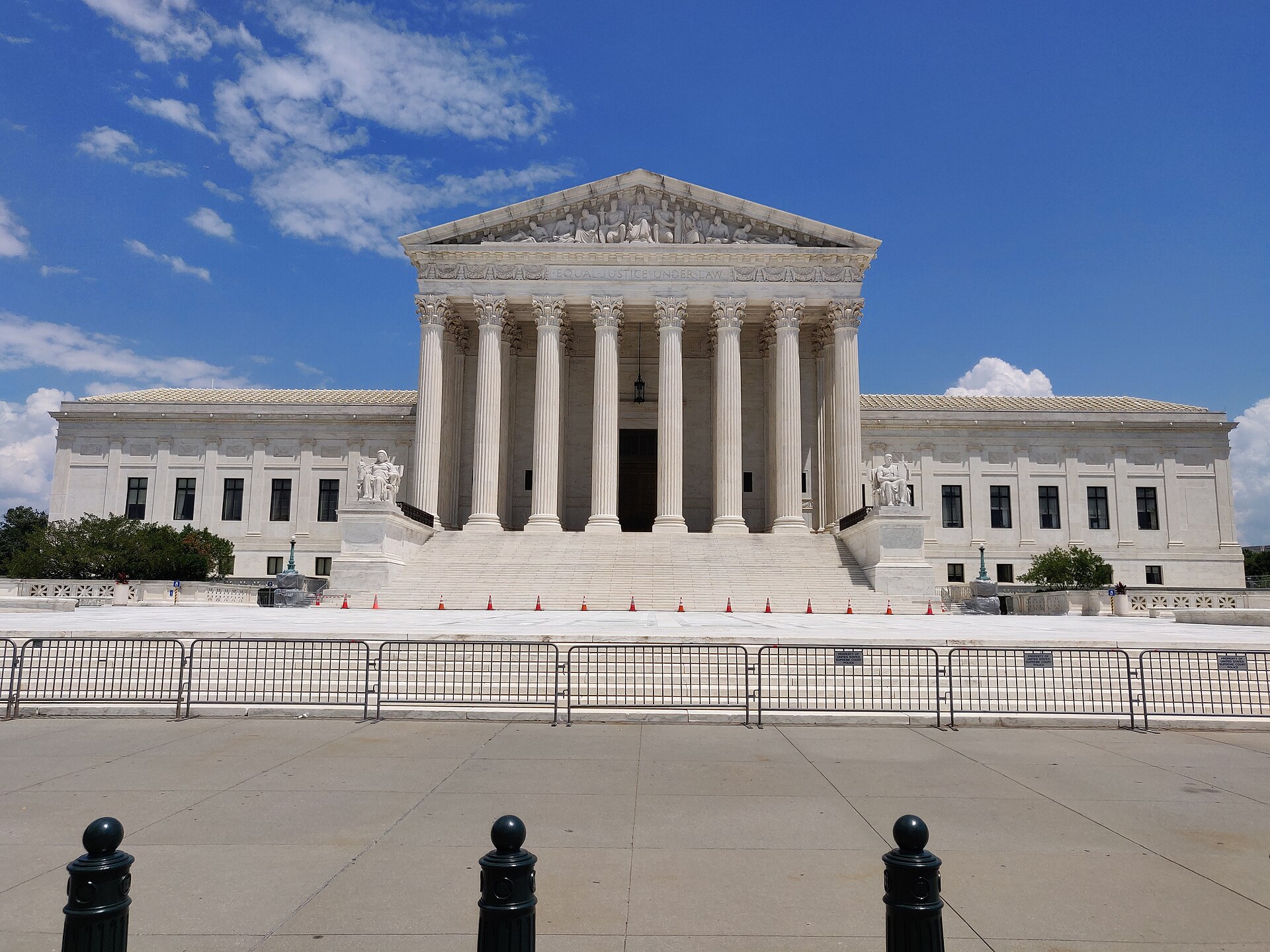
The Supreme Court has thrown a wrench into President Donald Trump’s plans to impose new mail ballot restrictions before the 2026 midterms. In a crucial decision, the court blocked Trump’s attempt to enforce sweeping changes that would have added federal markings and barcodes to mail ballots, requiring them to be processed through a USPS-linked system.
This ruling, however, is not the end of the road. It is a temporary decision, leaving the door open for further legal battles over Trump’s executive order, which many see as an overreach of federal power into state-managed election processes. Democratic-led states have been vocal, labeling the order as a federal takeover of election mechanics, something they argue the Constitution reserves for the states.
The back-and-forth over this policy has been dizzying. An earlier court stay on August 24 had temporarily allowed parts of Trump’s order to proceed, only for this latest Supreme Court decision to halt that path as election deadlines loomed. The stakes are high, with control of Congress potentially on the line.
As ballots are already in the mail, the immediate focus for election officials is ensuring a smooth voting process under the current system. The broader question remains: how far can a president go in using federal agencies to reshape voting procedures nationwide? This case is far from over, and its implications could reverberate well beyond the upcoming midterms.
The biggest new turn is that the Supreme Court on Monday refused, for now, to let President Donald Trump impose new federal restrictions on mail ballots before the November 3, 2026 midterms, abruptly lifting what election officials had warned was a last-minute threat of nationwide voting chaos. Axios reported that a USPS whistleblower recently alleged the agency defied court orders and rushed to build out the new ballot system, potentially putting thousands of mail ballots at risk.
That reversal is what makes the latest decision so striking: the administration had been trying to force states to use newly approved ballot envelope designs and a USPS voter-data system, but the justices stepped back as ballots were already going out in states including Alabama, North Carolina and Wisconsin. At the center of the fight was Trump’s March 31, 2026 executive order, which sought a fundamental rewrite of how vote-by-mail works: all outbound ballot mail would have to carry new federal markings and barcodes, and USPS would be told not to transmit absentee or mail ballots from an individual voter unless that voter had been successfully entered into a federalized USPS-linked system.
An appeals court last Thursday said the government had not shown evidence of past fraud sufficient to justify the restrictions, while election administrators warned they would have to divert staff and resources away from actual election preparation to “compile and convert voluminous data,” retrain workers and educate voters under severe time pressure. On September 14, the Supreme Court rejected Trump’s renewed push to enforce the restrictions before the midterms.
The Supreme Court’s move was explicitly for now, not a final merits ruling, so the underlying litigation over Trump’s order, USPS authority and federal power over election administration continues even as the 2026 midterms proceed under current rules. That is why Democratic-led states and local election administrators said the order was not a routine postal tweak but a federal takeover of election mechanics that the Constitution leaves largely to the states.
The ruling came after days of emergency litigation and leaves existing mail-voting systems in place even though the court had earlier, on August 24, temporarily allowed key parts of Trump’s policy to move forward. Reporting this week also emphasized the whiplash from the court’s earlier August 24 stay that had briefly cleared space for parts of the order, only for Monday’s action to cloud or halt that path as election deadlines drew near.
At the center of the fight was Trump’s March 31, 2026 executive order, which sought a fundamental rewrite of how vote-by-mail works: all outbound ballot mail would have to carry new federal markings and barcodes, and USPS would be told not to transmit absentee or mail ballots from an individual voter unless that voter had been successfully entered into a federalized USPS-linked system. On September 14, the Supreme Court rejected Trump’s renewed push to enforce the restrictions before the midterms.
That is why Democratic-led states and local election administrators said the order was not a routine postal tweak but a federal takeover of election mechanics that the Constitution leaves largely to the states. Earlier, a court stay on August 24 briefly allowed parts of the order, but this was reversed as deadlines approached.
The broader question remains: how far can a president go in using federal agencies to reshape voting procedures nationwide? Reporting this week also emphasized the whiplash from the court’s earlier August 24 stay that had briefly cleared space for parts of the order, only for Monday’s action to cloud or halt that path as election deadlines drew near.
The scale and speed of this development has caught many observers off guard. Each new update adds another dimension to a story that is still unfolding, and the full picture will only become clear as more verified details emerge from the people and institutions directly involved.
Analysts who have tracked this issue closely say the current moment represents a genuine turning point. The decisions made in the coming weeks are expected to set the direction for months ahead, with ripple effects likely to extend well beyond the immediate actors in the story.
For those directly affected, the practical impact is already visible. People navigating this fast-changing situation are dealing with real consequences while new information continues to reshape what is known and what remains open to interpretation.
Historical parallels offer some context, though experts caution against drawing too close a comparison. Similar situations have played out before, but the specific combination of pressures, personalities, and timing here makes this moment distinct in ways that matter for how it ultimately resolves.
The political and economic dimensions of this story are deeply intertwined. What appears as a single event on the surface is in practice the convergence of multiple pressures that have been building quietly over a longer period than most public reporting has captured.