


Quick Summary: UNCTAD Warns Gaza Needs $71.5 Billion for True Economic Recovery
- UNCTAD estimates Gaza’s recovery needs at $71.5 billion — the economy remains in collapse despite apparent growth.
- Gaza’s GDP rose 34.2% in 2025 after an 83% contraction in 2024 — this rebound is seen as misleading by UNCTAD.
- Physical infrastructure damage in Gaza is assessed at $35.2 billion — economic and social losses add up to $22.7 billion.
- The Palestinian economy grew 4.3% in 2025 — still 20% below its 2022 level, highlighting ongoing challenges.
- UNCTAD describes the situation as a compounded crisis — affecting Gaza, the West Bank, and Palestinian public finances.
Source: Open external resource
Source: Read original article
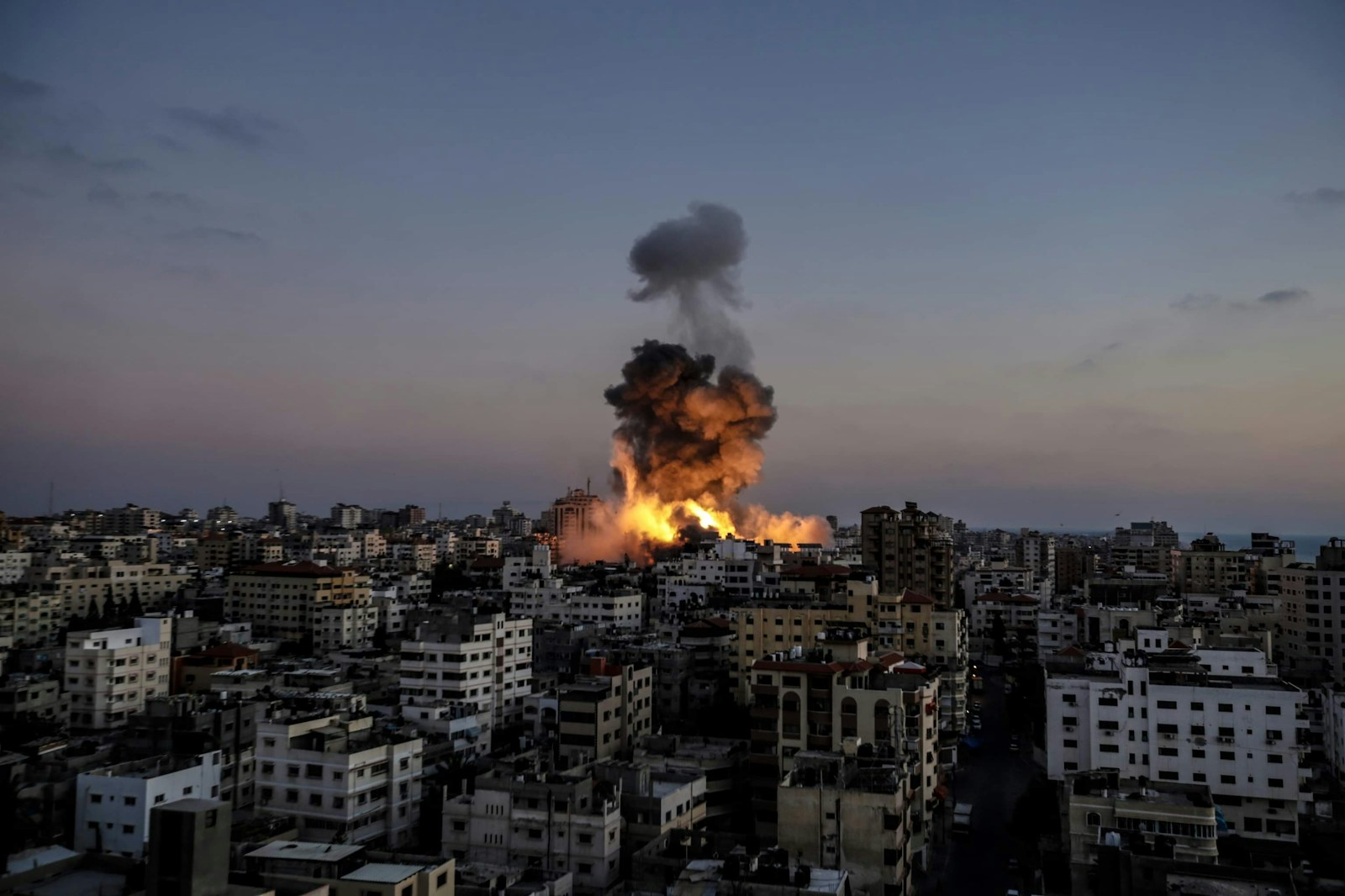
Gaza is staring down the barrel of an economic crisis that the United Nations Conference on Trade and Development (UNCTAD) has labeled the worst in the world. The staggering $71.5 billion needed for recovery paints a grim picture of a region struggling to rise from the ashes of devastation.
Despite reports of a 34.2% GDP growth in 2025, UNCTAD warns that this is merely a statistical mirage. The economy had plummeted 83% the previous year, and the so-called recovery is nothing more than a bounce from rock bottom. Infrastructure damage alone stands at $35.2 billion, with economic and social losses adding another $22.7 billion to the tally.
This crisis isn’t just about rebuilding; it’s about overcoming decades of lost development. The Palestinian economy, despite a modest 4.3% growth in 2025, remains 20% below its 2022 level. UNCTAD’s report underscores the structural constraints that continue to choke any real recovery, affecting not just Gaza but also the West Bank and Palestinian public finances.
As international bodies grapple with these figures, the challenge is clear: urgent reconstruction efforts are needed, but the path forward is fraught with complexity. The world must decide whether to see Gaza’s GDP rebound as a sign of recovery or a misleading statistic masking a deeper economic abyss.
On September 24, 2026, UNCTAD publicly released the new reconstruction figure and presented its report to the Trade and Development Board. This follows earlier UNCTAD assessments from 2025 that had already warned Gaza’s economic collapse was among the worst globally since 1960 and, in Gaza’s case, the worst on record; the significance this week is that those warnings have now been converted into a concrete updated bill.
5 billion and says the territory’s economy remains in collapse despite a statistical rebound, making this less a story about reconstruction beginning than about how far behind it still is. 3% in 2025, but that still left it 20% below its 2022 level, underscoring that the headline growth number reflects how deep the collapse was rather than a real recovery.
2% in 2025 only after contracting 83% in 2024, meaning the economy is still operating from devastation rather than rebuilding from strength. 3 million people in Gaza into poverty and called it “the most severe economic crisis ever recorded,” language that continues to frame the latest coverage because the new numbers show the damage has not been reversed.
UNCTAD says 59 years of occupation have structurally constrained the Palestinian economy and that those costs rose sharply after October 2023. 5 billion implies a much wider burden that goes beyond repairing buildings and roads to restoring institutions, services, productive capacity, and public finance.
5 billion estimate now before the Trade and Development Board and other international actors. 2% GDP rebound as proof of recovery or, as UNCTAD plainly does, as a misleading statistical bounce over an economy still shattered by an 83% crash the year before.
On September 24, 2026, UNCTAD publicly released the new reconstruction figure and presented its report to the Trade and Development Board. 2% in 2025 after an 83% contraction in 2024 — this rebound is seen as misleading by UNCTAD.
3% in 2025 — still 20% below its 2022 level, highlighting ongoing challenges. 2% GDP growth in 2025, UNCTAD warns that this is merely a statistical mirage.
The economy had plummeted 83% the previous year, and the so-called recovery is nothing more than a bounce from rock bottom. 5 billion and says the territory’s economy remains in collapse despite a statistical rebound, making this less a story about reconstruction beginning than about how far behind it still is.
3% in 2025, but that still left it 20% below its 2022 level, underscoring that the headline growth number reflects how deep the collapse was rather than a real recovery. 2% in 2025 only after contracting 83% in 2024, meaning the economy is still operating from devastation rather than rebuilding from strength.
2% GDP rebound as proof of recovery or, as UNCTAD plainly does, as a misleading statistical bounce over an economy still shattered by an 83% crash the year before. 5 billion — the economy remains in collapse despite apparent growth.
The scale and speed of this development has caught many observers off guard. Each new update adds another dimension to a story that is still unfolding, and the full picture will only become clear as more verified details emerge from the people and institutions directly involved.
Analysts who have tracked this issue closely say the current moment represents a genuine turning point. The decisions made in the coming weeks are expected to set the direction for months ahead, with ripple effects likely to extend well beyond the immediate actors in the story.
For those directly affected, the practical impact is already visible. People navigating this fast-changing situation are dealing with real consequences while new information continues to reshape what is known and what remains open to interpretation.
Historical parallels offer some context, though experts caution against drawing too close a comparison. Similar situations have played out before, but the specific combination of pressures, personalities, and timing here makes this moment distinct in ways that matter for how it ultimately resolves.
The political and economic dimensions of this story are deeply intertwined. What appears as a single event on the surface is in practice the convergence of multiple pressures that have been building quietly over a longer period than most public reporting has captured.