

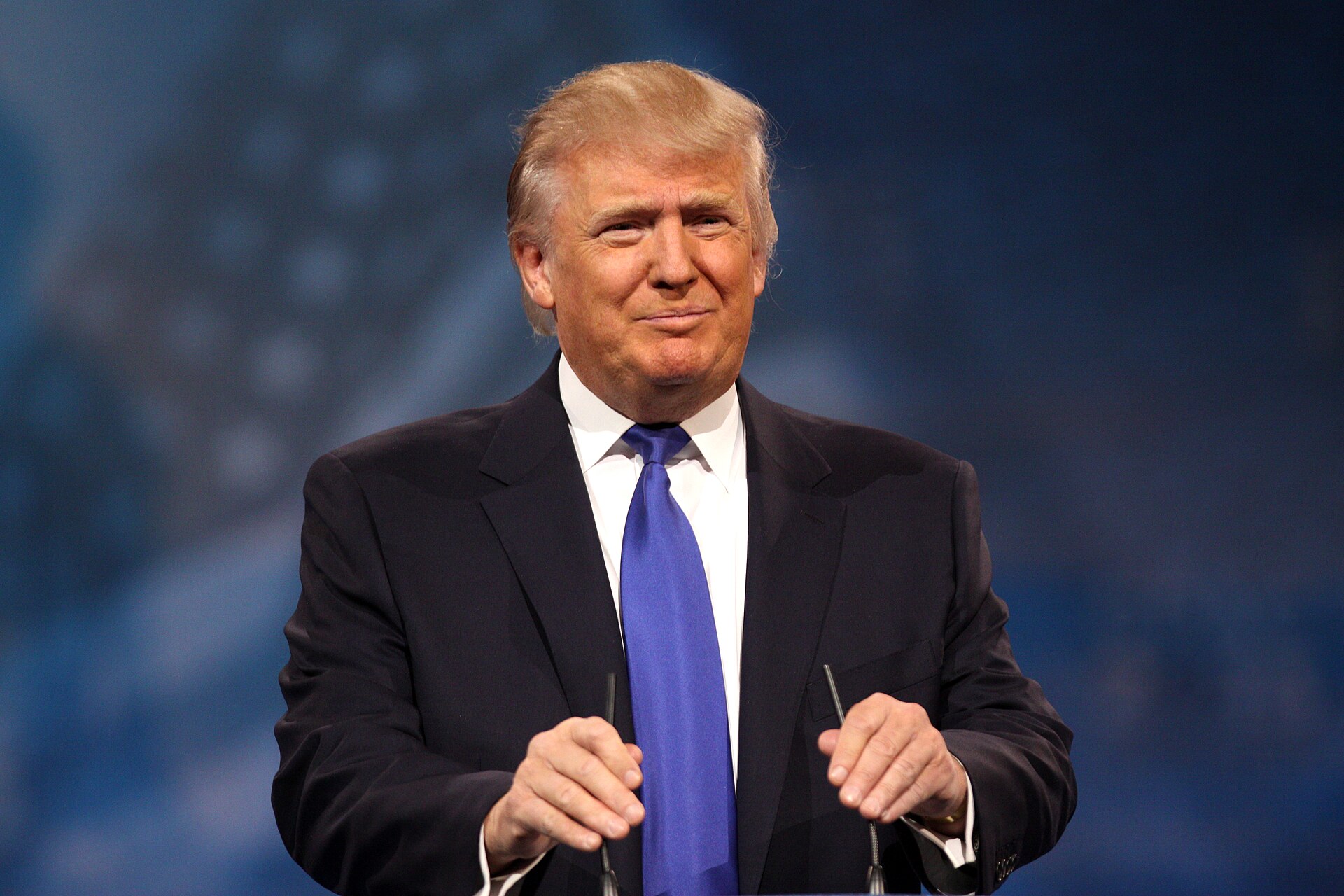

Quick Summary: Republicans Grapple With Trumps Impact Amid Midterm Challenges
- Fresh polling shows Democrats leading the generic ballot by 12 points, with 45% of voters voting against Trump.
- Independents are breaking for Democrats by 25 points, with trust in Democrats on key issues like the economy and foreign policy rising.
- Trump’s controversial foreign policy, especially regarding Iran, is contributing to Republican struggles.
- Republicans are torn between relying on Trump for turnout and distancing from his divisive politics.
- Despite Trump’s negative impact, Republicans still depend on him for redistricting advantages.
Source: Open external resource
Source: Read original article
The Republican Party is facing a stark reality: Donald Trump, once their most potent weapon, is now a significant liability as the midterm elections loom. The latest Marist poll reveals a troubling picture for the GOP, with Democrats holding a 12-point lead on the generic ballot and a substantial portion of the electorate casting their votes as a rejection of Trump. Republicans is at the center of this development.
Independents, crucial for any electoral victory, are shifting decisively towards the Democrats, with a 25-point margin favoring them. Trust in the Democrats on pivotal issues such as the economy and foreign policy has surged, undermining the Republican narrative. High gas prices and foreign policy missteps, particularly Trump’s aggressive stance on Iran, are exacerbating the situation.
Republicans find themselves in a precarious position, trying to maintain focus on local races and policy issues while Trump continues to dominate the narrative. As Axios reports, the GOP’s outlook appears increasingly bleak, with internal divisions over Trump’s influence growing. Despite this, Trump’s ability to drive turnout and influence redistricting remains a critical asset for the party.
The contradiction is clear: while Trump’s presence is detrimental to the broader electorate, his influence within the party’s machinery is undeniable. As the midterms approach, Republicans must navigate this complex dynamic, hoping that a late ad blitz and strategic campaigning can mitigate the backlash against Trump.
AP reported five days ago that a federal appeals panel backed Trump-supported congressional districts in Missouri for the November 2026 election, preserving a map Republicans hope could help them win 7 of the state’s 8 House seats, one more than they currently hold. And with the election on November 3, 2026, Republicans have barely over a month to find out whether Trump’s late ad blitz and personal campaigning can change a race that, according to the freshest national polling, is currently being defined less by party loyalty than by backlash to the president himself.
8 billion for an “anti-weaponization fund,” with strategist Rick Tyler saying, “You keep the House and Senate by having a message, by dealing with the issues voters are clearly complaining about. The NPR/PBS News/Marist survey, based on interviews conducted September 14-15 among 1,280 registered voters, found independents breaking for Democrats by 25 points, 57% to 32%, while voters now trust Democrats more on the economy, 42% to 34%, on foreign policy, 42% to 36%, and on gas prices, 40% to 27%.
” In the same vein, a recent Axios analysis said the party’s outlook is “increasingly bleak” with 39 days left before the November 3, 2026 midterms, even though Trump’s political operation is only now fully deploying a $416 million war chest into the final stretch. Marist’s finding that 56% of voters prefer “new ideas” over a “proven record” reinforces that anti-incumbent mood and suggests the usual midterm tendency against the president’s party may be intensifying rather than fading.
” The AP reported the Senate is expected to try again this week to pass a war powers resolution, though previous attempts have fallen short in the GOP-controlled chamber. One widely cited poll snapshot in the latest coverage put his approval at 32%, described as a career low, with approval among Republicans sliding from 82% to 73% in just one week.
Reuters said some Republican leaders urged him to focus instead on “issues that matter most to Americans, including high living costs,” a striking sign of internal alarm. At the United Nations, Trump defended the war with Iran and said he might “annihilate” the country if a deal is not reached, comments that prompted Sen.
And with the election on November 3, 2026, Republicans have barely over a month to find out whether Trump’s late ad blitz and personal campaigning can change a race that, according to the freshest national polling, is currently being defined less by party loyalty than by backlash to the president himself. 8 billion for an “anti-weaponization fund,” with strategist Rick Tyler saying, “You keep the House and Senate by having a message, by dealing with the issues voters are clearly complaining about.
The NPR/PBS News/Marist survey, based on interviews conducted September 14-15 among 1,280 registered voters, found independents breaking for Democrats by 25 points, 57% to 32%, while voters now trust Democrats more on the economy, 42% to 34%, on foreign policy, 42% to 36%, and on gas prices, 40% to 27%. ” In the same vein, a recent Axios analysis said the party’s outlook is “increasingly bleak” with 39 days left before the November 3, 2026 midterms, even though Trump’s political operation is only now fully deploying a $416 million war chest into the final stretch.
Marist’s finding that 56% of voters prefer “new ideas” over a “proven record” reinforces that anti-incumbent mood and suggests the usual midterm tendency against the president’s party may be intensifying rather than fading. Quick Summary: Donald Trump has become a midterm election liability for Republicans – inkl Fresh polling shows Democrats leading the generic ballot by 12 points, with 45% of voters voting against Trump.
At the United Nations, Trump defended the war with Iran and said he might “annihilate” the country if a deal is not reached, comments that prompted Sen. Independents are breaking for Democrats by 25 points, with trust in Democrats on key issues like the economy and foreign policy rising.
Independents, crucial for any electoral victory, are shifting decisively towards the Democrats, with a 25-point margin favoring them. Trump’s controversial foreign policy, especially regarding Iran, is contributing to Republican struggles.
The scale and speed of this development has caught many observers off guard. Each new update adds another dimension to a story that is still unfolding, and the full picture will only become clear as more verified details emerge from the people and institutions directly involved.
Analysts who have tracked this issue closely say the current moment represents a genuine turning point. The decisions made in the coming weeks are expected to set the direction for months ahead, with ripple effects likely to extend well beyond the immediate actors in the story.
For those directly affected, the practical impact is already visible. People navigating this fast-changing situation are dealing with real consequences while new information continues to reshape what is known and what remains open to interpretation.
Historical parallels offer some context, though experts caution against drawing too close a comparison. Similar situations have played out before, but the specific combination of pressures, personalities, and timing here makes this moment distinct in ways that matter for how it ultimately resolves.
The political and economic dimensions of this story are deeply intertwined. What appears as a single event on the surface is in practice the convergence of multiple pressures that have been building quietly over a longer period than most public reporting has captured.