


Quick Summary: Trumps Voter Fraud Claims Face Judicial and Expert Resistance
- Heritage Foundation data shows under 100 noncitizens convicted of voting fraud since 1982 — contradicting GOP claims of widespread fraud.
- President Trump warned of election vulnerabilities — this rhetoric has intensified federal-state tensions over election security.
- Homeland Security threatened to withhold funds from non-compliant states — escalating a power struggle over election administration.
- Experts argue the GOP’s fraud claims are propaganda — they lack evidence to support their allegations of mass voter fraud.
- Judges have rejected federal efforts to access state voter data — highlighting legal resistance to the administration’s claims.
Source: Open external resource
Source: Read original article
In a bold attempt to validate Donald Trump’s voter-fraud claims, the GOP has latched onto a dubious figure of 278,000 alleged noncitizens on voter rolls. However, this number is being challenged by election officials and experts as misleading and unsupported by evidence of illegal voting.
President Trump and Homeland Security Secretary Markwayne Mullin have intensified this narrative, warning of ‘shocking vulnerabilities’ in the election infrastructure and threatening states with funding cuts if they don’t comply with federal demands. This has turned the voter roll debate into a federal-state power struggle.
Despite these claims, data from the conservative Heritage Foundation shows fewer than 100 noncitizens have been convicted of voting fraud since 1982. This starkly contradicts the GOP’s narrative of mass fraud and highlights the lack of substantial evidence behind their claims.
Judicial pushback is also significant, with courts rejecting the federal government’s attempts to access state voter data. This legal resistance underscores the challenges the administration faces in justifying its claims of widespread voter fraud.
As the 2026 midterms approach, the GOP’s focus on voter fraud appears more about political maneuvering than evidence-based policy. The real concern is whether these allegations will be used to justify federal interventions in state-run elections, potentially undermining the democratic process.
org reported that even the conservative Heritage Foundation’s election-fraud database shows just under 100 noncitizens have been convicted of illegally voting or registering since 1982. What happens next is likely to be decided in the run-up to the 2026 midterms: more state fights over access to voter rolls, more litigation over federal authority, and more political pressure on election administrators to adopt proof-of-citizenship checks or tighter roll reviews.
The central controversy is being driven by direct pressure from the federal government on states just months before the 2026 midterms. ” The Washington Post also reported that judges had already rejected Justice Department efforts to obtain sweeping election-worker and voter data from states such as Georgia, New Hampshire, and Pennsylvania, suggesting the administration’s legal theory is running into resistance even before any larger pre-midterm showdown.
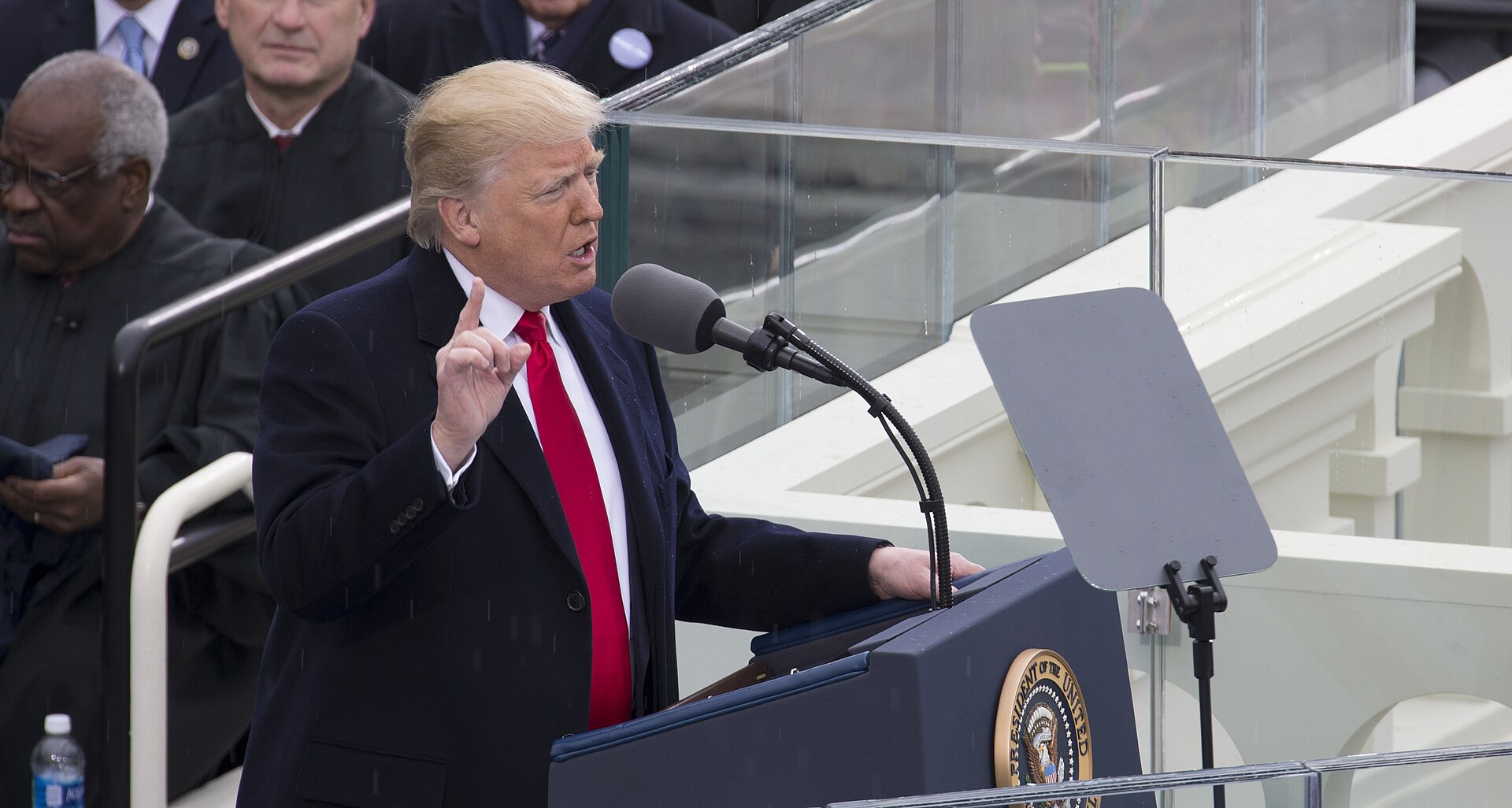
In mid-July, President Trump gave a prime-time speech warning of “shocking vulnerabilities in our election infrastructure,” while Homeland Security Secretary Markwayne Mullin followed by threatening to withhold funding and pursue legal action against state officials who refused to comply with federal election-security demands. The key timeline from the last seven days is relatively thin around the WhoWhatWhy article itself, but the freshest connected development in the live reporting is AP’s piece from September 21, 2026, showing that election-denial themes are still actively shaping Republican secretary-of-state contests ahead of the midterms.
The newer reporting also notes that while it has long been illegal for noncitizens to vote in federal elections, officials and prosecutors have repeatedly struggled to turn sensational allegations into criminal cases. The broader timeline that gives the story urgency runs through July 16, when Trump delivered his election-security address; July 17, when Mullin escalated with threats of funding cuts, fines, and possible charges; and the subsequent court setbacks and expert rebuttals that challenged the administration’s claims.
Mullin said, “We are not going to spend taxpayer dollars reimbursing a state that is refusing to secure our elections,” a line that turned an already heated debate over voter rolls into a federal-state power struggle over who controls election administration. That statistic is politically devastating for Republicans trying to suggest mass fraud, because it puts their six-figure claims next to a decades-long conviction count still below 100.
org reported that even the conservative Heritage Foundation’s election-fraud database shows just under 100 noncitizens have been convicted of illegally voting or registering since 1982. Despite these claims, data from the conservative Heritage Foundation shows fewer than 100 noncitizens have been convicted of voting fraud since 1982.
As the 2026 midterms approach, the GOP’s focus on voter fraud appears more about political maneuvering than evidence-based policy. Quick Summary: The GOP Is Putting the ‘BS’ in ‘Unsubstantiated Propaganda’ on Voter Fraud – WhoWhatWhy Heritage Foundation data shows under 100 noncitizens convicted of voting fraud since 1982 — contradicting GOP claims of widespread fraud.
President Trump warned of election vulnerabilities — this rhetoric has intensified federal-state tensions over election security. In mid-July, President Trump gave a prime-time speech warning of “shocking vulnerabilities in our election infrastructure,” while Homeland Security Secretary Markwayne Mullin followed by threatening to withhold funding and pursue legal action against state officials who refused to comply with federal election-security demands.
This starkly contradicts the GOP’s narrative of mass fraud and highlights the lack of substantial evidence behind their claims. Judicial pushback is also significant, with courts rejecting the federal government’s attempts to access state voter data.
In a bold attempt to validate Donald Trump’s voter-fraud claims, the GOP has latched onto a dubious figure of 278,000 alleged noncitizens on voter rolls. Mullin said, “We are not going to spend taxpayer dollars reimbursing a state that is refusing to secure our elections,” a line that turned an already heated debate over voter rolls into a federal-state power struggle over who controls election administration.
The scale and speed of this development has caught many observers off guard. Each new update adds another dimension to a story that is still unfolding, and the full picture will only become clear as more verified details emerge from the people and institutions directly involved.
Analysts who have tracked this issue closely say the current moment represents a genuine turning point. The decisions made in the coming weeks are expected to set the direction for months ahead, with ripple effects likely to extend well beyond the immediate actors in the story.
For those directly affected, the practical impact is already visible. People navigating this fast-changing situation are dealing with real consequences while new information continues to reshape what is known and what remains open to interpretation.
Historical parallels offer some context, though experts caution against drawing too close a comparison. Similar situations have played out before, but the specific combination of pressures, personalities, and timing here makes this moment distinct in ways that matter for how it ultimately resolves.
The political and economic dimensions of this story are deeply intertwined. What appears as a single event on the surface is in practice the convergence of multiple pressures that have been building quietly over a longer period than most public reporting has captured.