


Quick Summary: Financial Scrutiny Hits Kentucky Party Headquarters
- State election materials outline 2026 cycle responsibilities — precinct officer submissions are crucial for local election management.
- Paducah’s political landscape is shaped by the May 2026 primary — local organizations are gearing up for the general election.
- McCracken County’s political dynamics are shifting — an independent candidacy could disrupt traditional party lines.
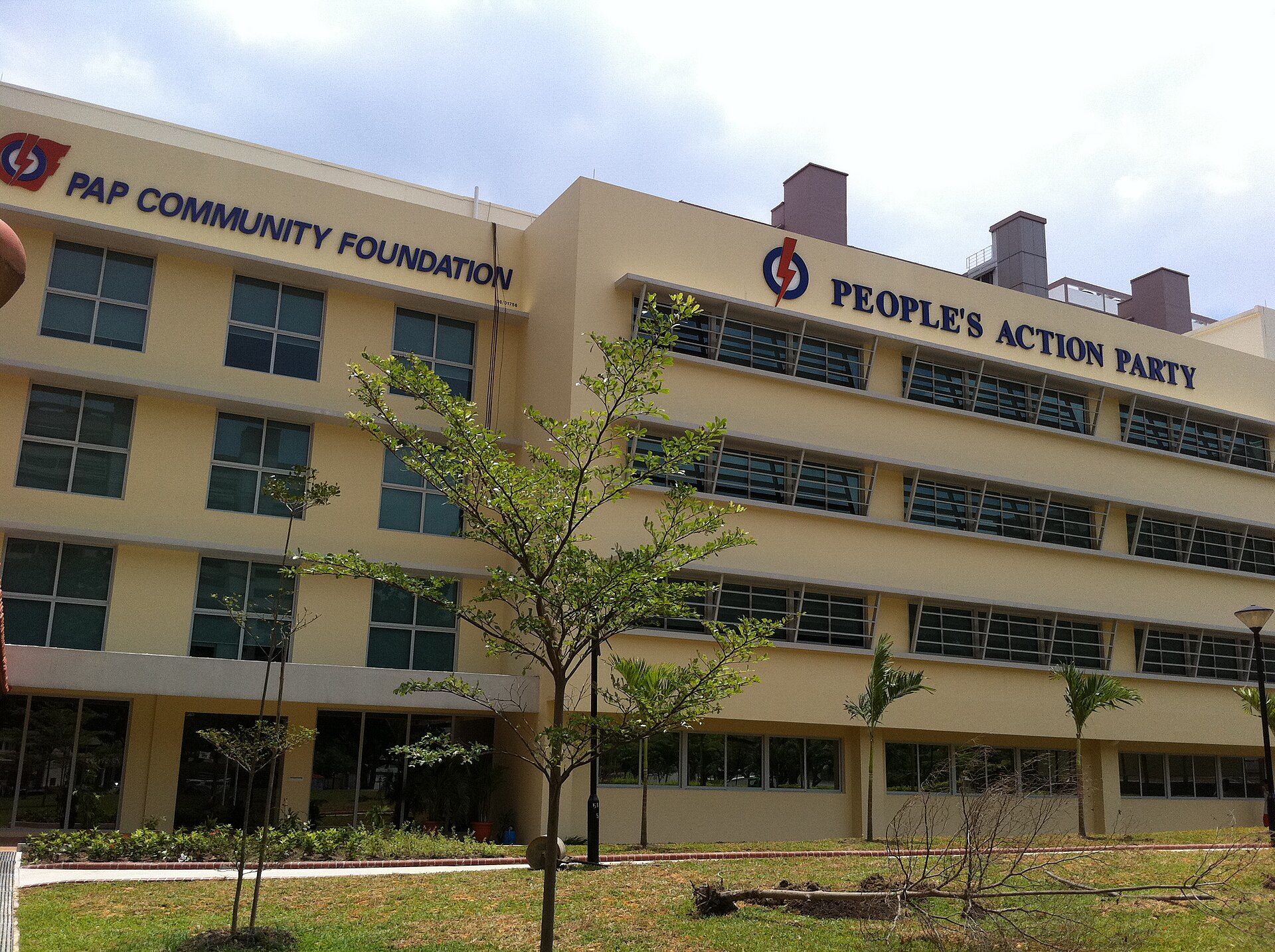
- Kentucky’s party headquarters face financial scrutiny — Republicans expand, while Democrats focus on policy.
- Local party preparations involve activating committees and staffing roles — the focus is on effective turnout operations.
Source: Open external resource
Source: Read original article
As the 2026 midterm elections loom on the horizon, local political party headquarters in Paducah are ramping up their preparations. The stakes are high, and the groundwork laid now will determine the success of their campaigns come November.
In the heart of Kentucky, Paducah’s political scene is buzzing with activity. The May 2026 primary has set the stage, with McCracken County Judge-Executive Craig Clymer securing his reelection bid. Meanwhile, Paducah Mayor George Bray’s independent run adds a new twist to the political landscape, forcing both parties to reevaluate their strategies.
Statewide, the political infrastructure is under the microscope. The Republican Party’s costly headquarters expansion contrasts sharply with the Democrats’ move to a more modest location, highlighting differing priorities between organizational strength and policy focus.
Local party organizations are not just opening offices; they’re mobilizing. With hard deadlines looming, committees are activating, and roles are being filled to ensure a robust turnout operation. This is not mere ceremonial preparation but a strategic push to secure votes in the upcoming general election.
As the political dynamics in Paducah continue to evolve, the actions taken now will reverberate through the election cycle. The independent candidacy of George Bray serves as a catalyst for change, challenging the status quo and prompting both parties to adapt to the shifting political tides.
State election materials lay out the 2026 cycle, including party committee responsibilities such as submitting precinct officer names to county boards of elections, a key piece of local election administration and turnout machinery. Kentucky Lantern reported that the Kentucky Democratic Party sold its longtime headquarters for $540,000 and moved to downtown Frankfort on December 5, 2025.
” Even if The Paducah Sun piece was localized, that statewide headquarters fight appears to be part of the broader backdrop for how party organizations are presenting themselves going into the 2026 midterms. For timing, Kentucky’s 2026 election calendar shows this is not abstract preparation but preparation under hard deadlines.
What happens next is the run into Kentucky’s 2026 general election, with county organizations expected to shift from post-primary cleanup into full fall turnout operations, candidate support, and precinct-level election staffing. I couldn’t reliably surface the article itself or any fresh follow-up reporting from The Paducah Sun because the site is blocking live access, and open-web results right now are not yielding the underlying story text or independently reported details from the past seven days.
What I was able to confirm is that Paducah sits in the middle of a very active 2026 Kentucky election cycle, with western Kentucky politics already shaped by the May 19, 2026 primary and by larger state-party infrastructure fights. 4 million, with $195,000 paid to Haney Consulting.
WKMS reported that McCracken County Judge-Executive Craig Clymer won his reelection primary bid, defeating Paducah businessman Matt Moore and McCracken County Commissioner Richard Abraham, while Paducah Mayor George Bray said earlier this year he intended to run for judge-executive as an independent in the general election. George Bray’s announced independent run is the kind of wrinkle that can force both Republican and Democratic headquarters to rethink voter targeting, coalition-building, and resource allocation in Paducah specifically.
Paducah’s political landscape is shaped by the May 2026 primary — local organizations are gearing up for the general election. As the 2026 midterm elections loom on the horizon, local political party headquarters in Paducah are ramping up their preparations.
The May 2026 primary has set the stage, with McCracken County Judge-Executive Craig Clymer securing his reelection bid. ” Even if The Paducah Sun piece was localized, that statewide headquarters fight appears to be part of the broader backdrop for how party organizations are presenting themselves going into the 2026 midterms.
For timing, Kentucky’s 2026 election calendar shows this is not abstract preparation but preparation under hard deadlines. What happens next is the run into Kentucky’s 2026 general election, with county organizations expected to shift from post-primary cleanup into full fall turnout operations, candidate support, and precinct-level election staffing.
I couldn’t reliably surface the article itself or any fresh follow-up reporting from The Paducah Sun because the site is blocking live access, and open-web results right now are not yielding the underlying story text or independently reported details from the past seven days. 4 million, with $195,000 paid to Haney Consulting.
The scale and speed of this development has caught many observers off guard. Each new update adds another dimension to a story that is still unfolding, and the full picture will only become clear as more verified details emerge from the people and institutions directly involved.
Analysts who have tracked this issue closely say the current moment represents a genuine turning point. The decisions made in the coming weeks are expected to set the direction for months ahead, with ripple effects likely to extend well beyond the immediate actors in the story.
For those directly affected, the practical impact is already visible. People navigating this fast-changing situation are dealing with real consequences while new information continues to reshape what is known and what remains open to interpretation.
Historical parallels offer some context, though experts caution against drawing too close a comparison. Similar situations have played out before, but the specific combination of pressures, personalities, and timing here makes this moment distinct in ways that matter for how it ultimately resolves.
The political and economic dimensions of this story are deeply intertwined. What appears as a single event on the surface is in practice the convergence of multiple pressures that have been building quietly over a longer period than most public reporting has captured.