


Quick Summary: Mbzs Hamas Warning to Netanyahu Sparks Israeli Political Storm
- Haaretz reported that MBZ warned Netanyahu of a major Hamas operation in late September 2023, but the warning was not passed to Israel’s security chiefs.
- Netanyahu secretly flew to Abu Dhabi on September 27, 2026, to meet UAE President Sheikh Mohamed bin Zayed, reportedly to counter claims of a warning about a Hamas attack.
- Egyptian intelligence chief Abbas Kamel reportedly warned Israel that Gaza would “blow up” before the Hamas attack, adding pressure on Netanyahu.
- Shin Bet filed a complaint over the broadcast of Netanyahu’s secret trip, claiming it endangered the prime minister and exposed operational methods.
- Netanyahu’s rivals argue the situation reflects personal negligence, making it a central issue in the upcoming October 27 Israeli election.
Source: Open external resource
Source: Read original article
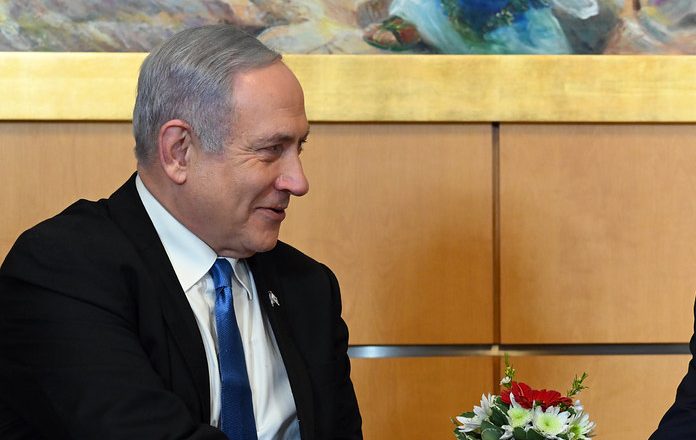
Benjamin Netanyahu’s clandestine visit to Abu Dhabi has ignited a political firestorm, overshadowing wartime diplomacy. The Israeli Prime Minister’s secret meeting with UAE President Sheikh Mohamed bin Zayed was reportedly to counter allegations that he ignored a warning about a Hamas attack before October 7, 2023.
Reports from Haaretz and The New York Times suggest that Netanyahu was forewarned by MBZ of a major Hamas operation, yet failed to inform Israel’s security chiefs. This accusation has become a focal point in the heated political climate leading up to Israel’s October 27 election, with Netanyahu’s opponents seizing on the narrative of negligence.
The controversy is further complicated by claims from Egyptian intelligence that Gaza would “blow up,” adding layers to the narrative of ignored warnings. In response, Shin Bet filed a complaint, arguing that the exposure of Netanyahu’s trip endangered national security.
As the Israeli election approaches, the stakes are high. The narrative of Netanyahu’s alleged oversight is not just a media scandal but a potential turning point in the political landscape. The outcome could hinge on whether more evidence surfaces, potentially prompting a state inquiry post-election.
The underlying accusation is stark: Haaretz reported earlier this month that MBZ warned Netanyahu of a major Hamas operation in late September 2023, and The New York Times then reported that Netanyahu received a confidential warning but did not pass it to Israel’s security chiefs. Benjamin Netanyahu’s secret trip to Abu Dhabi has blown open a far more explosive issue than wartime diplomacy: the latest reporting says he flew to meet UAE President Sheikh Mohamed bin Zayed on Sunday, September 27, 2026, to push back on reports that the Emirati leader had warned him about a looming Hamas attack before October 7, 2023.
CNN-based coverage cited The Atlantic as saying Egyptian intelligence chief Abbas Kamel flew to Israel on September 26, 2023, to warn that Gaza would “blow up,” while the Wall Street Journal reported, according to follow-up accounts, that there were at least three Egyptian warnings, including a phone call to Netanyahu days before the attack. That timing triggered a furious response from Shin Bet, which filed a complaint with Israel’s military censor and said the broadcast endangered the prime minister and exposed operational methods.
On Monday, September 28, AP and other outlets confirmed the one-hour meeting and the Shin Bet censorship complaint, while WAM publicly acknowledged the leaders met but avoided endorsing the politically explosive warning narrative. CNN-based reporting says Netanyahu traveled with his wife, the head of the National Security Council, the head of the Mossad, a military secretary and a political adviser, underscoring how sensitive the visit was.
On Friday, September 25, fresh reporting from The New York Times intensified the allegation that Netanyahu got a warning from MBZ and did not relay it. ” The New York Times reporting, as summarized in follow-up coverage, adds an even sharper edge: after receiving the alleged warning, Netanyahu reportedly still argued in a security meeting days before October 7 that Israel should preserve calm in Gaza to avoid damaging possible normalization with Saudi Arabia.
A UAE Foreign Ministry line cited in current coverage says the country maintains “open and direct lines of communication” with Israel and shares “all relevant intelligence,” without publicly validating the alleged pre-October 7 warning in the terms Netanyahu’s critics want. ” But Emirati officials have been far more careful on the substance of the warning issue.
– Livemint Haaretz reported that MBZ warned Netanyahu of a major Hamas operation in late September 2023, but the warning was not passed to Israel’s security chiefs. Netanyahu secretly flew to Abu Dhabi on September 27, 2026, to meet UAE President Sheikh Mohamed bin Zayed, reportedly to counter claims of a warning about a Hamas attack.
The Israeli Prime Minister’s secret meeting with UAE President Sheikh Mohamed bin Zayed was reportedly to counter allegations that he ignored a warning about a Hamas attack before October 7, 2023. The underlying accusation is stark: Haaretz reported earlier this month that MBZ warned Netanyahu of a major Hamas operation in late September 2023, and The New York Times then reported that Netanyahu received a confidential warning but did not pass it to Israel’s security chiefs.
Benjamin Netanyahu’s secret trip to Abu Dhabi has blown open a far more explosive issue than wartime diplomacy: the latest reporting says he flew to meet UAE President Sheikh Mohamed bin Zayed on Sunday, September 27, 2026, to push back on reports that the Emirati leader had warned him about a looming Hamas attack before October 7, 2023. CNN-based coverage cited The Atlantic as saying Egyptian intelligence chief Abbas Kamel flew to Israel on September 26, 2023, to warn that Gaza would “blow up,” while the Wall Street Journal reported, according to follow-up accounts, that there were at least three Egyptian warnings, including a phone call to Netanyahu days before the attack.
That timing triggered a furious response from Shin Bet, which filed a complaint with Israel’s military censor and said the broadcast endangered the prime minister and exposed operational methods. On Monday, September 28, AP and other outlets confirmed the one-hour meeting and the Shin Bet censorship complaint, while WAM publicly acknowledged the leaders met but avoided endorsing the politically explosive warning narrative.
CNN-based reporting says Netanyahu traveled with his wife, the head of the National Security Council, the head of the Mossad, a military secretary and a political adviser, underscoring how sensitive the visit was. On Friday, September 25, fresh reporting from The New York Times intensified the allegation that Netanyahu got a warning from MBZ and did not relay it.
The scale and speed of this development has caught many observers off guard. Each new update adds another dimension to a story that is still unfolding, and the full picture will only become clear as more verified details emerge from the people and institutions directly involved.
Analysts who have tracked this issue closely say the current moment represents a genuine turning point. The decisions made in the coming weeks are expected to set the direction for months ahead, with ripple effects likely to extend well beyond the immediate actors in the story.
For those directly affected, the practical impact is already visible. People navigating this fast-changing situation are dealing with real consequences while new information continues to reshape what is known and what remains open to interpretation.
Historical parallels offer some context, though experts caution against drawing too close a comparison. Similar situations have played out before, but the specific combination of pressures, personalities, and timing here makes this moment distinct in ways that matter for how it ultimately resolves.
The political and economic dimensions of this story are deeply intertwined. What appears as a single event on the surface is in practice the convergence of multiple pressures that have been building quietly over a longer period than most public reporting has captured.