

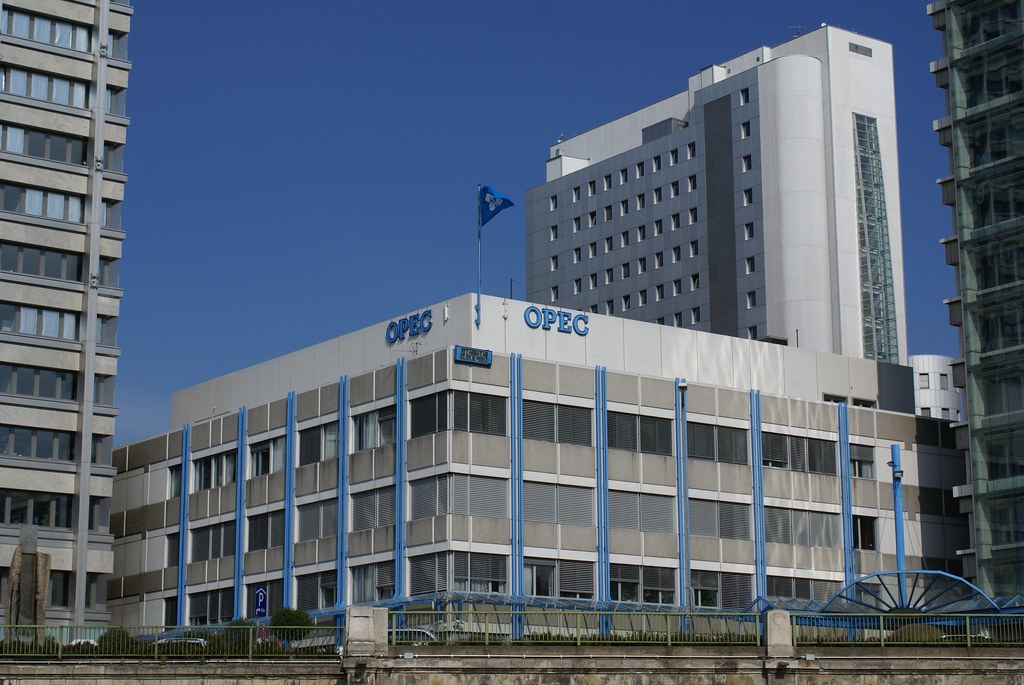

Quick Summary: Riyadh Hosts Energy Week as OPEC Maintains 2026 Production Levels
- Saudi Arabia hosts a major energy week in Riyadh, attracting over 25,000 participants, including 100 ministers and 800 speakers.
- Riyadh aims to balance oil-market stability, energy security, and the global push for lower-carbon systems.
- The 25th WPC Energy Congress, a key event, opens on October 12 with Prince Abdulaziz and Pedro Miras.
- Seven key OPEC+ members, including Saudi Arabia and Russia, kept October 2026 production levels unchanged, reflecting caution amid geopolitical tensions.
- The event serves as a platform for debates on energy security, supply resilience, and integrating lower-carbon systems.
Source: Open external resource
Source: Read original article
Riyadh is not just hosting another conference; it’s positioning itself as the epicenter of global energy discussions this week. With over 25,000 participants, including 100 ministers and 800 speakers, the Saudi capital is buzzing with the who’s who of the energy world.
This week-long event is a strategic move by Saudi Arabia to address the trifecta of oil-market stability, energy security, and the push for lower-carbon systems. The 25th WPC Energy Congress, opening on October 12, is a symbolic centerpiece, highlighting Saudi Arabia’s intent to lead the conversation on energy’s future.
Amidst geopolitical tensions, seven key OPEC+ members, including Saudi Arabia and Russia, have decided to keep October 2026 production levels unchanged. This cautious approach underscores the complex politics surrounding oil quotas and market stability.
The gathering is more than just a series of meetings; it’s a neutral platform for critical debates on energy security, supply resilience, and the integration of lower-carbon systems. Saudi Arabia is making a case for an additive future energy system, rather than a substitutional one.
As the world watches, Riyadh’s energy week could set the stage for significant announcements and market signals, influencing the global energy landscape.
Another closely watched moment will be the presentation of the 2026 OPEC Annual Statistical Bulletin during the week, because it will provide fresh reference data on oil and gas market dynamics just as governments and investors argue over future supply, demand, and decarbonization pathways. Organizers say the congress alone will bring in more than 25,000 participants, around 100 ministers, and 800 speakers.
Although the Riyadh events are broader than OPEC, recent reporting says seven key OPEC+ members, including Saudi Arabia and Russia, kept October 2026 production levels unchanged, signaling caution amid geopolitical disruption and difficult quota politics. The symbolic centerpiece comes October 12, when Prince Abdulaziz and Pedro Miras open the 25th WPC Energy Congress.
That figure matters because it frames the unstated commercial competition around the Riyadh meetings: who captures the next wave of capital, hydrocarbons, grids, carbon management, hydrogen, or clean-tech manufacturing. The sharpest conflict driving the story is the unresolved clash between countries and companies insisting oil and gas must remain central to growth and energy access, and those pushing faster decarbonization and stronger clean-energy deployment.
On September 29, Arabic-language Saudi and regional outlets pushed the line that Riyadh is about to become the global meeting point for energy policy and investment. On September 28 and 29, updated event pages and local listings reiterated the October 11 to 15 schedule and the extraordinary concentration of ministerial formats in one venue.
The first decision point is October 11, when ministers convene for IEF17 and the Clean Energy Ministerial/Mission Innovation sessions begin in Riyadh. The official WPC Energy program calls it a “first-of-its-kind Energy Week,” while event organizers say the gathering will serve as a “neutral platform” for debates over “energy security,” “supply resilience,” and “the integration of lower-carbon systems,” language that underscores the central policy fight behind the week.
Seven key OPEC+ members, including Saudi Arabia and Russia, kept October 2026 production levels unchanged, reflecting caution amid geopolitical tensions. Amidst geopolitical tensions, seven key OPEC+ members, including Saudi Arabia and Russia, have decided to keep October 2026 production levels unchanged.
With over 25,000 participants, including 100 ministers and 800 speakers, the Saudi capital is buzzing with the who’s who of the energy world. The 25th WPC Energy Congress, opening on October 12, is a symbolic centerpiece, highlighting Saudi Arabia’s intent to lead the conversation on energy’s future.
The scale and speed of this development has caught many observers off guard. Each new update adds another dimension to a story that is still unfolding, and the full picture will only become clear as more verified details emerge from the people and institutions directly involved.
Analysts who have tracked this issue closely say the current moment represents a genuine turning point. The decisions made in the coming weeks are expected to set the direction for months ahead, with ripple effects likely to extend well beyond the immediate actors in the story.
For those directly affected, the practical impact is already visible. People navigating this fast-changing situation are dealing with real consequences while new information continues to reshape what is known and what remains open to interpretation.
Historical parallels offer some context, though experts caution against drawing too close a comparison. Similar situations have played out before, but the specific combination of pressures, personalities, and timing here makes this moment distinct in ways that matter for how it ultimately resolves.
The political and economic dimensions of this story are deeply intertwined. What appears as a single event on the surface is in practice the convergence of multiple pressures that have been building quietly over a longer period than most public reporting has captured.